State birds of all 50 states
Every state has an official bird. The northern cardinal is the most popular, chosen by seven states, followed by the western meadowlark with six and the northern mockingbird with five. Most states picked their birds between the 1920s and the 1940s, many of them by a vote of schoolchildren.
Every state bird
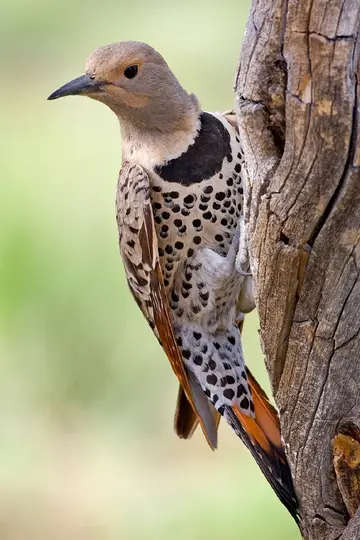
AlabamaYellowhammerAdopted 1927 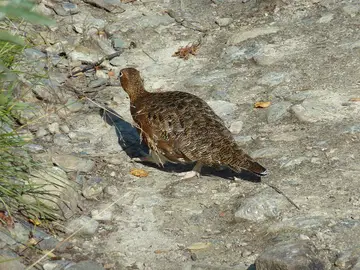
AlaskaWillow ptarmiganAdopted 1955 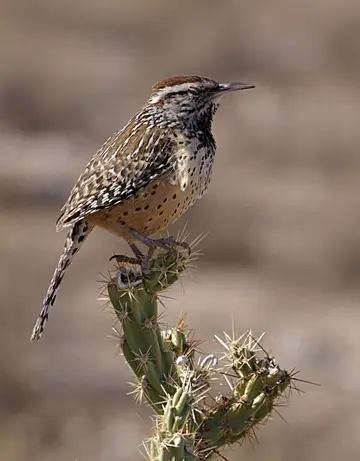
ArizonaCactus wrenAdopted 1931 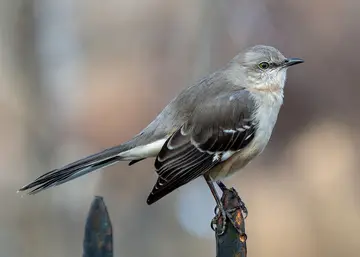
ArkansasMockingbirdAdopted 1929 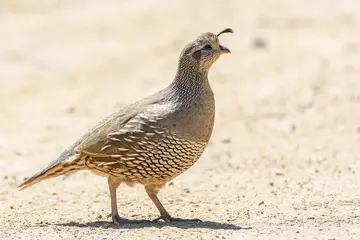
CaliforniaCalifornia quailAdopted 1931 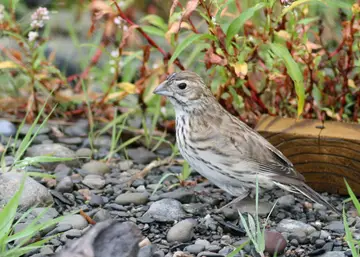
ColoradoLark buntingAdopted 1931 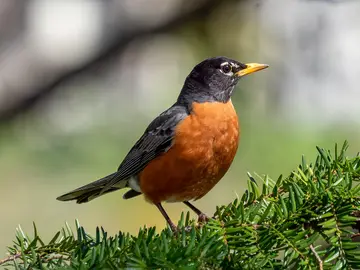
ConnecticutAmerican robinAdopted 1943 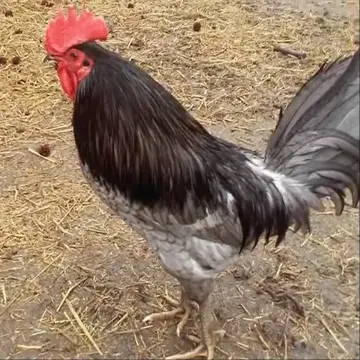
DelawareBlue hen chickenAdopted 1939 -
FloridaNorthern mockingbirdAdopted 1927 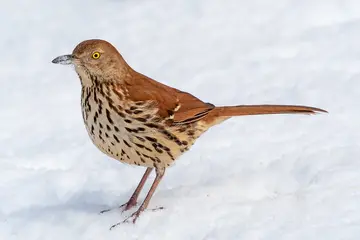
GeorgiaBrown thrasherAdopted 1970 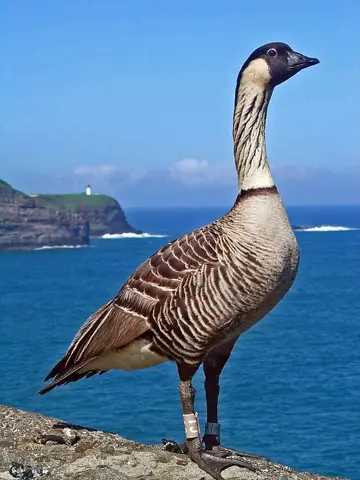
HawaiiNēnēAdopted 1988 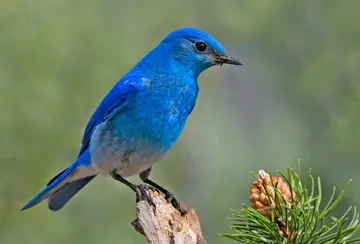
IdahoMountain bluebirdAdopted 1931 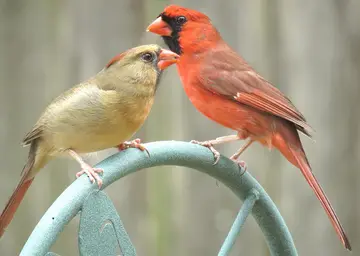
IllinoisNorthern cardinalAdopted 1929 -
IndianaCardinalAdopted 1933 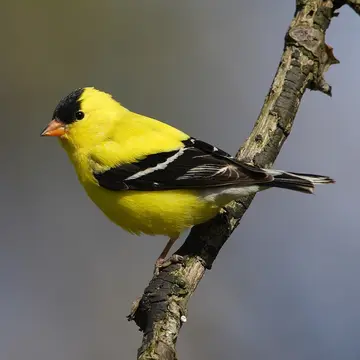
IowaEastern goldfinchAdopted 1933 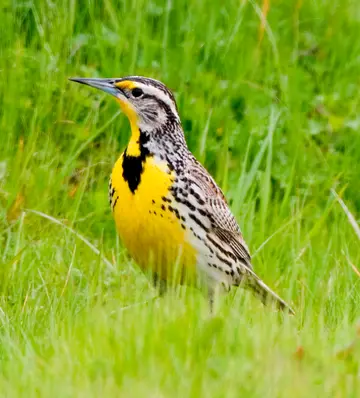
KansasWestern meadowlarkAdopted 1937 -
KentuckyKentucky cardinalAdopted 1926 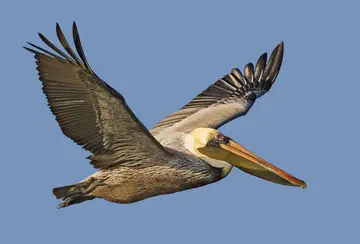
LouisianaBrown pelicanAdopted 1966 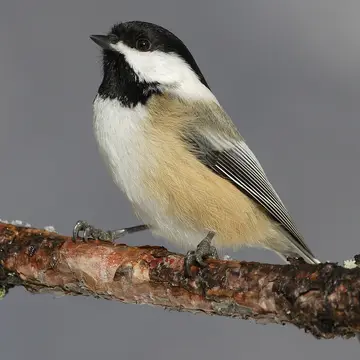
MaineBlack-capped chickadeeAdopted 1927 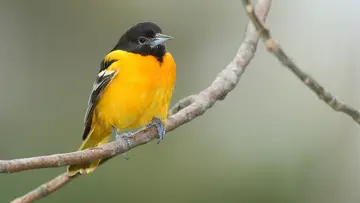
MarylandBaltimore orioleAdopted 1947 -
MassachusettsBlack-capped chickadeeAdopted 1941 -
MichiganAmerican robinAdopted 1931 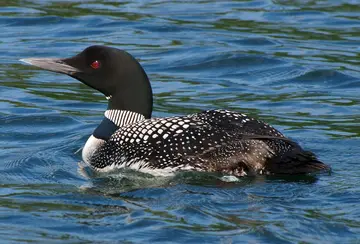
MinnesotaCommon loonAdopted 1961 -
MississippiNorthern mockingbirdAdopted 1944 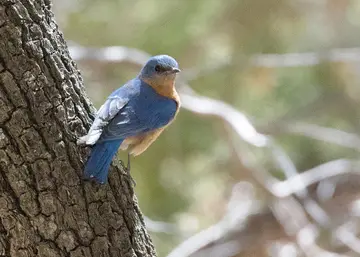
MissouriEastern bluebirdAdopted 1927 -
MontanaWestern meadowlarkAdopted 1931 -
NebraskaWestern meadowlarkAdopted 1929 -
NevadaMountain bluebirdAdopted 1967 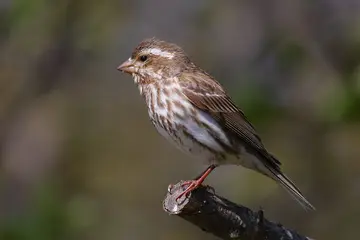
New HampshirePurple finchAdopted 1957 -
New JerseyEastern goldfinchAdopted 1935 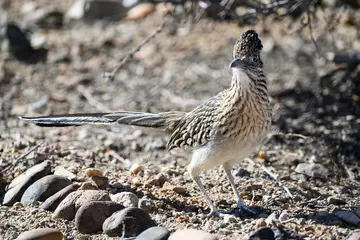
New MexicoGreater roadrunnerAdopted 1949 -
New YorkEastern bluebirdAdopted 1970 -
North CarolinaCardinalAdopted 1943 -
North DakotaWestern meadowlarkAdopted 1947 -
OhioNorthern cardinalAdopted 1933 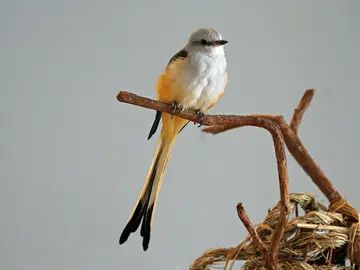
OklahomaScissor-tailed flycatcherAdopted 1951 -
OregonWestern meadowlarkAdopted 1927 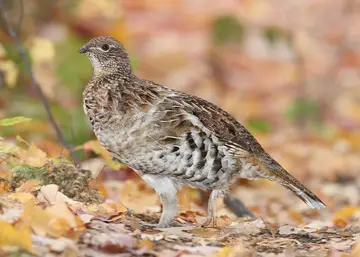
PennsylvaniaRuffed grouseAdopted 1931 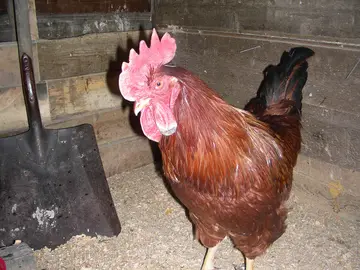
Rhode IslandRhode Island RedAdopted 1954 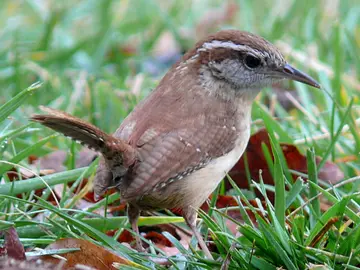
South CarolinaCarolina wrenAdopted 1948 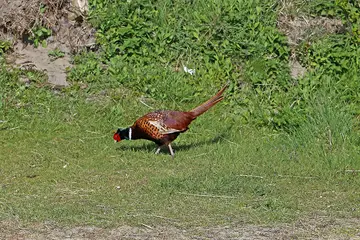
South DakotaRing-necked pheasantAdopted 1943 -
TennesseeNorthern mockingbirdAdopted 1933 -
TexasNorthern mockingbirdAdopted 1927 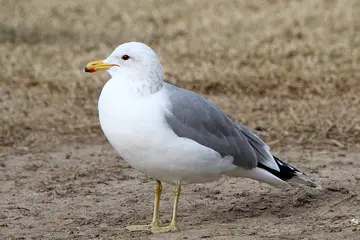
UtahCalifornia gullAdopted 1955 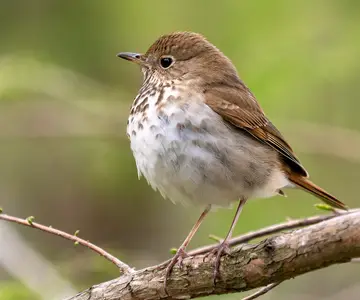
VermontHermit thrushAdopted 1941 -
VirginiaNorthern cardinalAdopted 1950 -
WashingtonWillow goldfinchAdopted 1951 -
West VirginiaNorthern cardinalAdopted 1949 -
WisconsinAmerican robinAdopted 1949 -
WyomingWestern meadowlarkAdopted 1927
State birds shared by more than one state
The cardinal, the meadowlark and the mockingbird
The 50 state birds cover only 27 species, because a few birds are hugely popular. The northern cardinal is the state bird of seven states, all in the East and the Midwest, from Illinois to North Carolina. The western meadowlark, whose song carries a long way over open grassland, belongs to six western and Plains states. The northern mockingbird, famous for copying other birds and even sirens, is the choice of five southern states. The American robin, the American goldfinch and the black-capped chickadee are each shared by two or three.
Popularity explains part of this. These are common, colorful or musical birds that most people could recognize in their own yard. But it was also first come, first served, and sometimes not even that. Washington schoolchildren chose the meadowlark in 1928, only to find that several other states had it already. A women’s club vote in 1931 and a new schoolchildren’s vote in 1951 eventually gave Washington the goldfinch.
Chosen in classrooms
In many states the people who chose the bird were children. Campaigns to give every state a bird spread in the 1920s, and they were often led by Audubon societies, bird clubs and women’s clubs. Asking schoolchildren to vote was a way to teach them about birds at the same time.
The numbers could be large. More than 121,000 Kansas students took part in the vote that picked the western meadowlark, and the Kansas statute still says the bird was chosen because schoolchildren preferred it. Montana’s 1931 law names the meadowlark after a children’s vote in 1930. In Michigan, close to 200,000 people voted in a 1929 poll run by the Michigan Audubon Society, and the robin narrowly beat the black-capped chickadee. West Virginia’s 1949 vote gave the cardinal a lead of more than 11,000 votes over ten rivals.
Women’s clubs did the lobbying in other states. The Texas Federation of Women’s Clubs asked for the mockingbird, which the Legislature adopted in 1927. In Arkansas, legislators reportedly treated the women’s clubs’ mockingbird proposal as a joke at first, and it passed only after speeches about how useful the bird was to farmers.
When states chose
Of the 49 states in our records, 37 adopted their bird in the 1920s, 1930s or 1940s. Kentucky was first, naming the cardinal in 1926. When New Jersey’s state senator Dryden Kuser introduced his goldfinch bill in 1935, he pointed out that 44 states already had a bird; senators greeted the first reading by whistling. Later adoptions include Minnesota’s common loon in 1961, Louisiana’s brown pelican in 1966, New York’s eastern bluebird in 1970 and, last of all, Hawaii’s nēnē in 1988.
The unusual ones
Not every state bird is a songbird. Delaware chose the Blue Hen chicken, after a story that Revolutionary War soldiers from Kent County carried fighting gamecocks descended from a famous blue hen. Rhode Island’s bird is a breed of chicken, the Rhode Island Red. Several states picked game birds: the ruffed grouse in Pennsylvania, the willow ptarmigan in Alaska and the ring-necked pheasant in South Dakota, an Asian bird first successfully released there in 1908.
Utah’s state bird is the California gull, which honors the 1848 “Miracle of the Gulls,” when gulls ate swarms of crickets that were destroying the pioneers’ crops. The Utah law simply says “sea gull.” North Carolina briefly had a different bird: in 1933 the Legislature named the Carolina chickadee, then repealed the resolution about a week later, partly because lawmakers disliked its nickname, the tomtit. The cardinal took its place in 1943.
Find a bird
Click any bird above for the state’s page, with how to recognize it and where to see it. If you want to test yourself, try the state birds quiz.
Every state bird, with the law behind it
Questions people ask
- What is the most common state bird?
- The northern cardinal. It is the state bird of Illinois, Indiana, Kentucky, North Carolina, Ohio, Virginia and West Virginia.
- Which states share the western meadowlark?
- Six states, all in the Great Plains and the West. Kansas, Montana, Nebraska, North Dakota, Oregon and Wyoming.
- Which state has a chicken as its state bird?
- Two do. Delaware's state bird is the Blue Hen chicken, adopted in 1939. Rhode Island's is the Rhode Island Red, a chicken breed developed in the state, adopted in 1954.
- Which state adopted its bird most recently?
- Hawaii, which named the nēnē, or Hawaiian goose, in 1988.