South Dakota
The Mount Rushmore State
South Dakota became a state on November 2, 1889, on the same day as North Dakota, when Dakota Territory was divided in two; it is counted as the 40th state. Its capital is Pierre, on the Missouri River, which with about 14,000 people is the second-smallest state capital, and its largest city is Sioux Falls. South Dakota is officially the Mount Rushmore State, and its motto is "Under God the People Rule."
- Capital
- PierreCapital since 1889
- Statehood
- November 2, 188940th state
- Population, 2025
- 935,09446th of 50
- Area
- 77,116 sq mi17th largest · 199,729 km²
- Largest city
- Sioux Falls213,748 people
- Abbreviation
- SDUS Postal Service code
- Motto
- Under God the People RuleEnglish
- Borders
- 6 statesLandlocked
Friends and allies
South Dakota takes its name from Dakota Territory, which was named for the Dakota people, part of the group often called the Sioux. In the Dakota language the word Dakhóta means “friend” or “ally”; related forms are Lakhóta and Nakhóta. The “South” simply marks the southern half of the territory, which was split in two at statehood.
Two states, one day
Dakota Territory’s capital was Yankton, in what is now South Dakota, from 1861, and Bismarck, now in North Dakota, from 1883. In 1889 the territory was divided, and both halves were admitted on November 2. President Benjamin Harrison shuffled and covered the two proclamations so that no one would know which he had signed first. South Dakota is counted as the 40th state only because it comes second in the alphabet.
Pierre
When South Dakotans adopted their constitution on October 1, 1889, they also chose Pierre as the temporary capital. Its backers pointed to its central location and its place on the Missouri River. Voters made it the permanent capital over Huron in 1890 and confirmed it again over Mitchell in 1904, after a hard-fought campaign. Pierre’s Capitol, dedicated in 1910, uses a design similar to Montana’s. The capital page tells the story.
Rushmore and sunshine
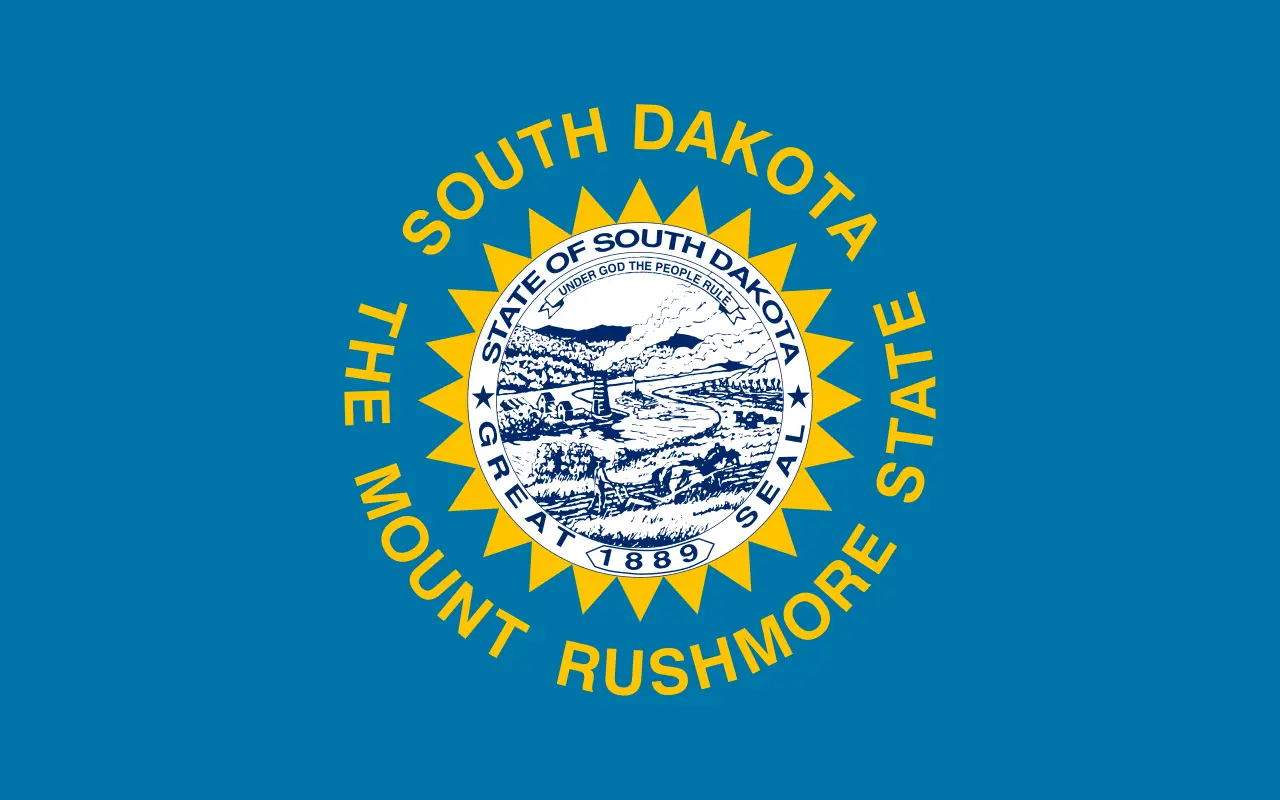
South Dakota has had several nicknames: the Sunshine State, the Coyote State and, since 1992, its official nickname, the Mount Rushmore State, for the sculpture in the Black Hills. The same 1992 law put the new nickname on the state flag, replacing “The Sunshine State,” which had been there since 1909. The flag still shows a blazing gold sun around the state seal. The motto, “Under God the People Rule,” is part of the seal and the state constitution.
Pheasants, pasque flowers and chislic
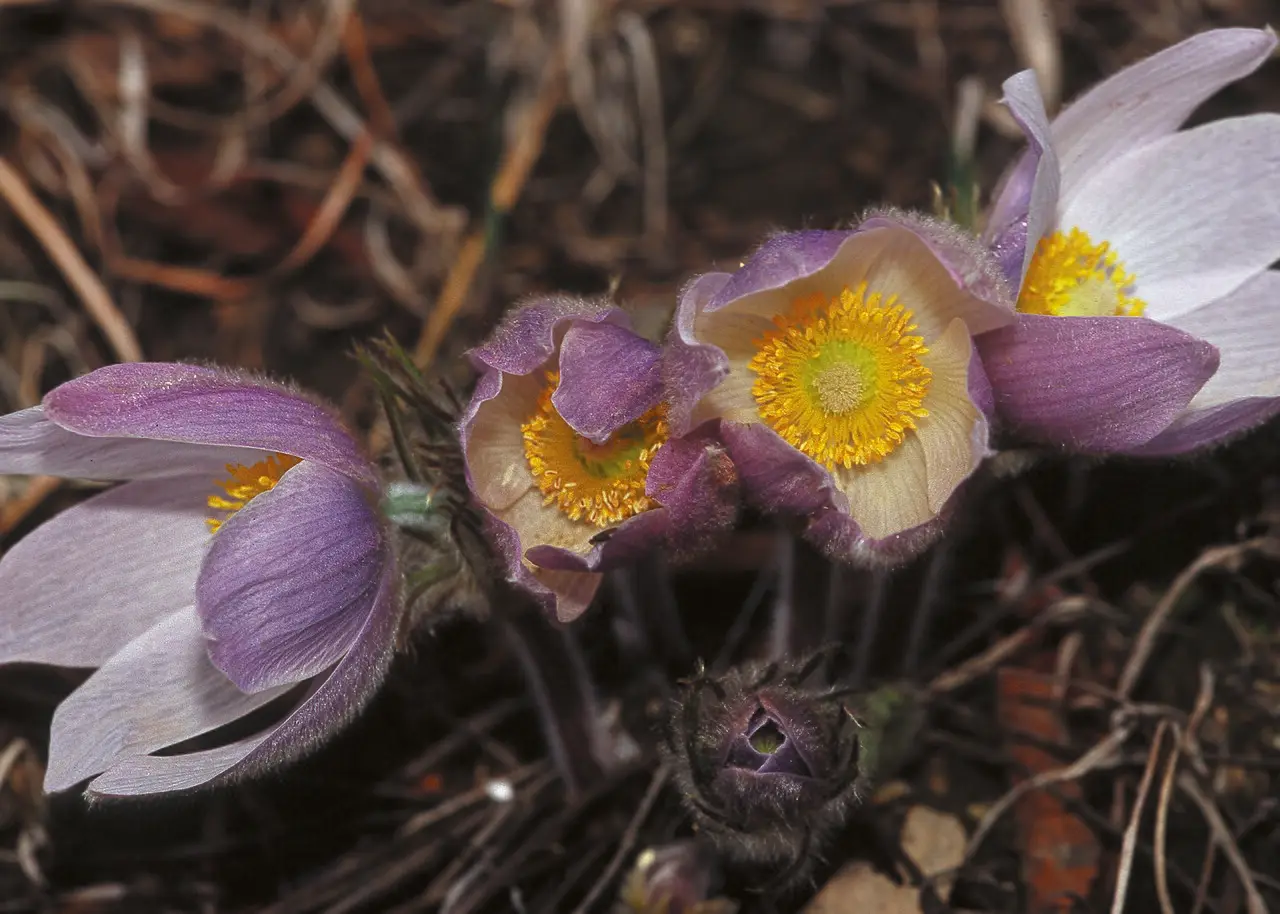
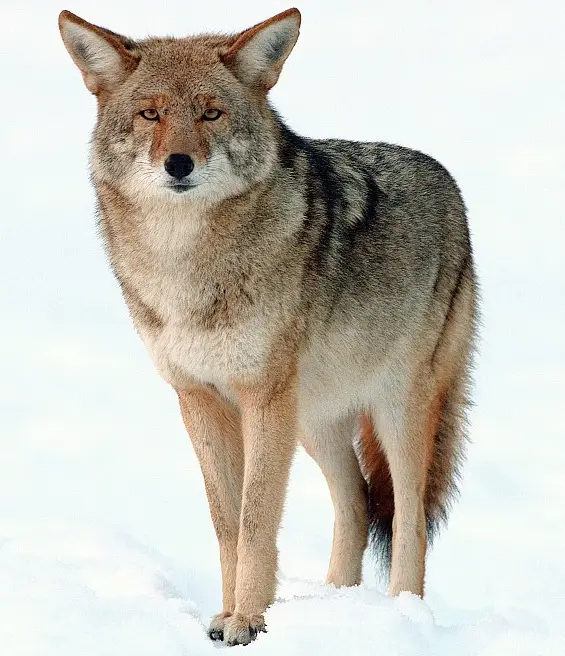
South Dakota has 24 official state symbols. The ring-necked pheasant, an Asian bird first released successfully in the state in 1908, is the state bird, and the pasque flower, one of the first prairie flowers of spring, the state flower, with its own motto, “I Lead.” The Black Hills spruce is the state tree and the coyote the state animal. The state fossil is Triceratops, Black Hills gold the state jewelry, and food symbols include kuchen, fry bread and chislic, the official state nosh. See them all on the South Dakota symbols page.
Land and people
South Dakota covers 77,116 square miles, 17th among the states, but it had only about 935,000 residents in 2025, 46th in the country and up about 5 percent from 2020. It borders six states: North Dakota, Minnesota, Iowa, Nebraska, Wyoming and Montana. Sioux Falls, with about 214,000 people, is by far the largest city, followed by Rapid City, Aberdeen, Brookings and Watertown.
South Dakota state symbols
All 24 official symbols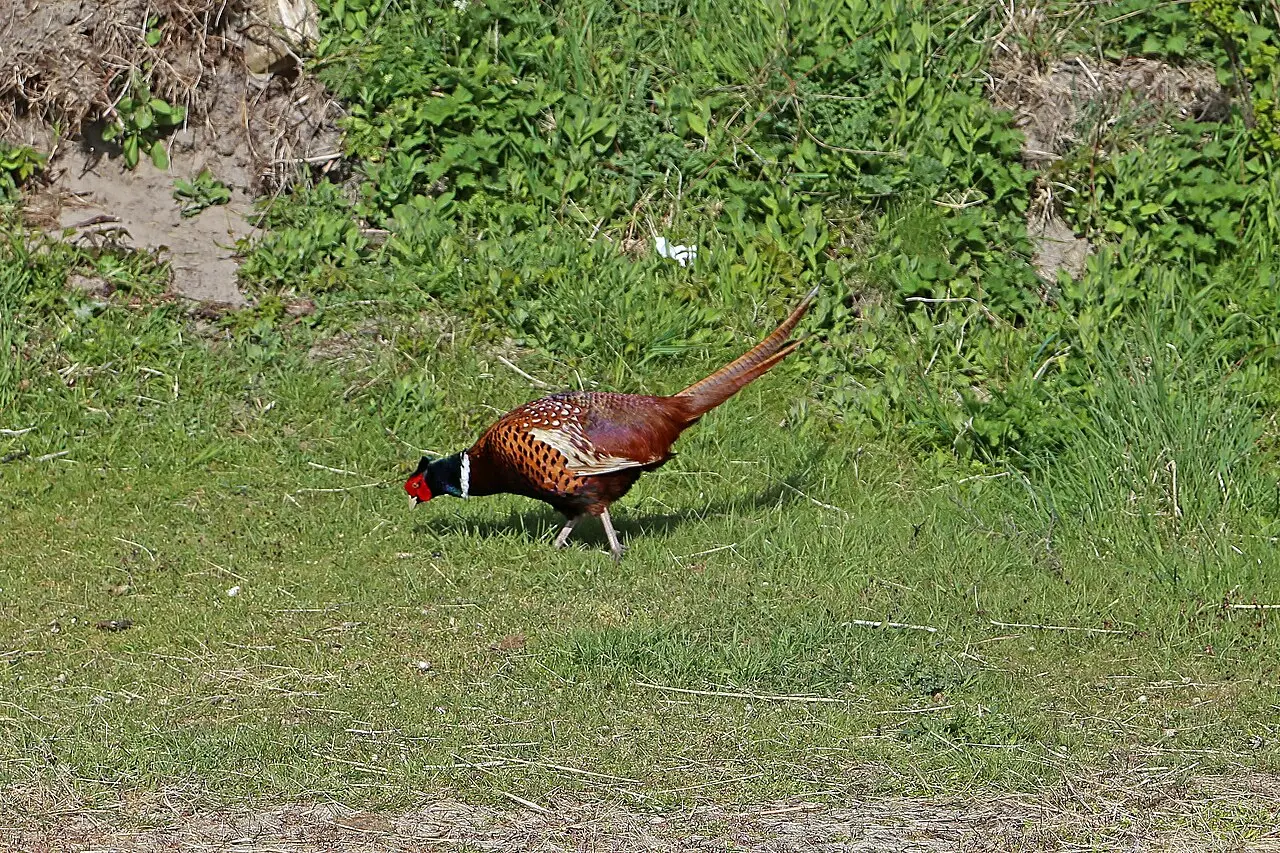
The capital: Pierre
The capital of South Dakota is Pierre, on the Missouri River, chosen by voters as the temporary capital when they adopted the state constitution in October 1889. They made it permanent over Huron in 1890 and kept it again over Mitchell in 1904. With about 14,000 people, Pierre is the second-smallest state capital. Its Capitol, dedicated in 1910, was built for almost $1 million.
- 1889–todayPierre
Where South Dakota is
South Dakota shares a border with 6 states: Iowa, Minnesota, Montana, North Dakota, Nebraska and Wyoming.
- Land area
- 75,811 sq mi
- Water area
- 1,305 sq mi
- Population density
- 12.3 people per sq mi (46th)
South Dakota trivia
- South Dakota's state flower comes with its own motto, "I Lead," which the Secretary of State says makes it unique among state floral emblems.Source: South Dakota Secretary of State
- Each of the 66 Italian artisans who laid the Capitol's terrazzo floor is said to have set a blue stone as a signature, but only 55 had been found as of 2010.Source: South Dakota Legislature
- South Dakota has an official pledge to its state flag, but state law forbids reciting it before the Pledge of Allegiance to the U.S. flag.Source: South Dakota Legislature (Legislative Research Council)
- South Dakota has an official "nosh": chislic, designated in 2018.Source: South Dakota Legislature (Legislative Research Council)
- The House and Senate chambers received the same decorating budget, so the Senate, with half as many members, ended up more lavishly finished.Source: South Dakota Legislature
- The seal's design and motto were first proposed by Dr. Joseph Ward, founder of Yankton College, and adopted at the 1885 constitutional convention, four years before statehood.Source: South Dakota Secretary of State
Questions about South Dakota
- What is the capital of South Dakota?
- Pierre, on the Missouri River. Voters chose it as the temporary capital in 1889 and made it permanent in 1890. With about 14,000 people it is the second-smallest state capital, after Montpelier, Vermont.
- Which came first, North or South Dakota?
- Neither. Both were admitted on November 2, 1889. President Benjamin Harrison shuffled and covered the proclamations so no one would know which he signed first, and South Dakota is counted as the 40th state only because of alphabetical order.
- Why is South Dakota called the Mount Rushmore State?
- For the Mount Rushmore sculpture in the Black Hills. The nickname became official in 1992, replacing "The Sunshine State" on the flag.
- What is South Dakota's state motto?
- '"Under God the People Rule," which appears on the state seal and in the state constitution.'
- What does Dakota mean?
- The state is named for the Dakota people. In the Dakota language, Dakhóta means "friend" or "ally."
Photo credits (4)
- Flag of South Dakota: xrmap, Public domain, via Wikimedia Commons
- Ring-necked pheasant: W. Bulach, CC BY-SA 4.0, via Wikimedia Commons
- American pasque flower: Don Poggensee, USDA Natural Resources Conservation Service, Public domain, via Wikimedia Commons
- Coyote: Yathin S Krishnappa, CC BY-SA 3.0, via Wikimedia Commons
Sources
- Part 1: Early Settlement of North Dakota State Historical Society of North Dakota (North Dakota Studies) · statehood
- Senate Concurrent Resolution No. 3 (2010): 100th anniversary of the South Dakota State Capitol South Dakota Legislature · capital
- Yankton: Capital of Dakota Territory South Dakota Public Broadcasting · capital
- Facts about South Dakota (Capitol Idea) South Dakota Public Broadcasting
- State Seal and Symbols South Dakota Secretary of State
- SDCL Chapter 1-6 (state emblems) South Dakota Legislature
- US Census Bureau Vintage 2025 population estimates; 2010 state area measurements