Illinois
Land of Lincoln
Illinois became the 21st state on December 3, 1818. Its capital is Springfield, Abraham Lincoln's hometown, and its largest city by far is Chicago, the third largest city in the United States. The official state slogan, adopted in 1955, is "Land of Lincoln"; the traditional nickname is the Prairie State.
- Capital
- SpringfieldCapital since 1839
- Statehood
- December 3, 181821st state
- Population, 2025
- 12,719,1416th of 50
- Area
- 57,914 sq mi25th largest · 149,995 km²
- Largest city
- Chicago2,731,585 people
- Abbreviation
- ILUS Postal Service code
- Motto
- State Sovereignty, National UnionEnglish
- Borders
- 5 statesLandlocked
The 21st state, almost too small to qualify
Illinois had to scramble to become a state. Congress’s Enabling Act of April 1818 required 40,000 residents, and when the territory’s census in June found only about 35,000, officials kept counting until December 1, finally reaching 40,258. Illinois was admitted on December 3, 1818, as the 21st state.
Its shape owes a lot to one man. The territory’s delegate in Congress, Nathaniel Pope, got the planned northern border moved about 60 miles north. That gave Illinois a shoreline on Lake Michigan, the site of Chicago, and the lead mines around Galena. Without that change, Chicago would be in Wisconsin.
The name
Illinois is named for the Illinois, or Illiniwek, a group of independent tribes, among them the Cahokia, Kaskaskia, Peoria and Tamaroa, who shared a language and a large territory in the central Mississippi valley. The French missionary Jacques Marquette wrote in the 1670s that the word meant “the men,” and that explanation was repeated for centuries. Newer studies of the language trace it instead to a word meaning roughly “he speaks in the ordinary way,” which the Ojibwa borrowed and passed on to French explorers.
Three capitals and the Long Nine
Illinois’s first capital was Kaskaskia, an old French town on the Mississippi at the southwestern edge of the state. In 1820 the government moved to Vandalia, nearer the middle, where it stayed for twenty years. In 1837 a group of Sangamon County legislators nicknamed the “Long Nine” for their combined height, among them a young Abraham Lincoln, persuaded the General Assembly to move the capital to Springfield, which became the capital in 1839. Lincoln practiced law there, served in the Old State Capitol, gave his “House Divided” speech there in 1858, and is buried there. The capital page tells the story.
Land of Lincoln, Prairie State
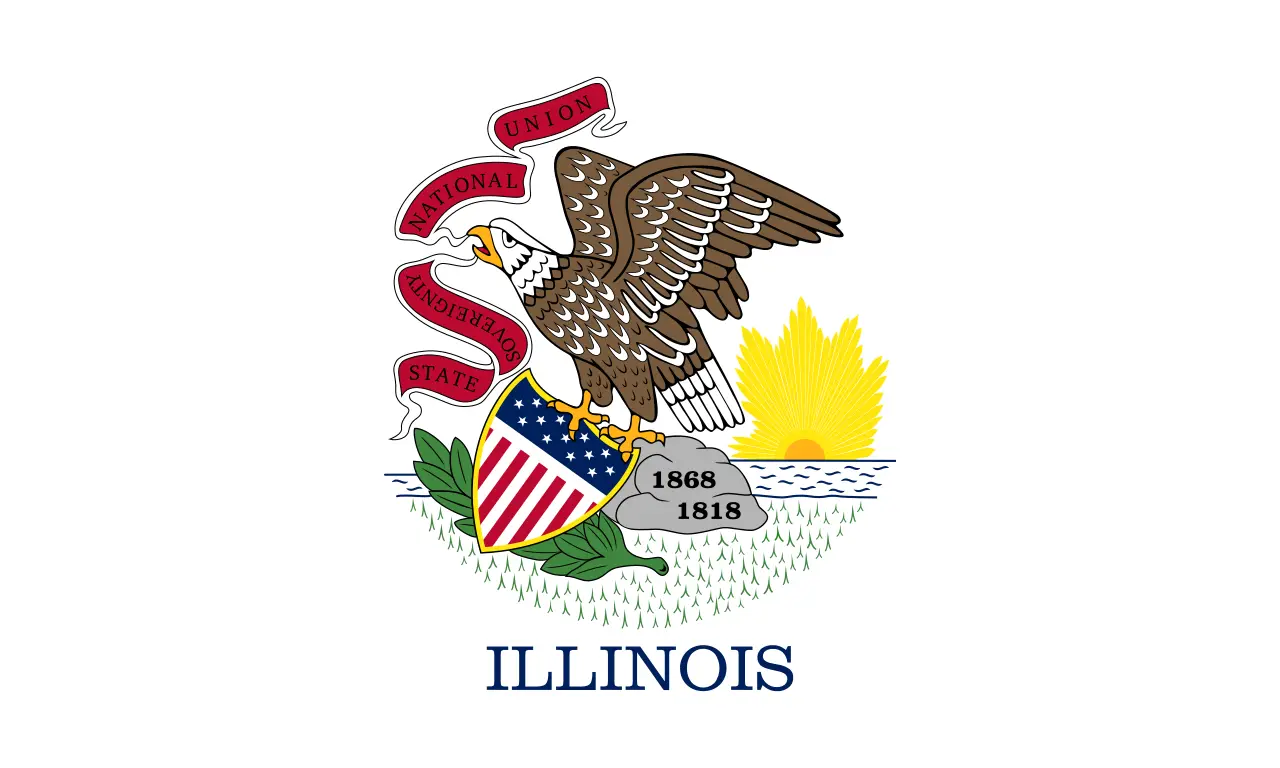
“Land of Lincoln” became the official state slogan in 1955 and has been on Illinois license plates ever since. The older nickname, “the Prairie State,” comes from the huge tallgrass prairies early settlers found, which once covered most of the state. Big bluestem, one of the tallest prairie grasses, is now the state grass. The motto on the state seal is “State Sovereignty, National Union.” After the Civil War, Secretary of State Sharon Tyndale wanted to put “National Union” first; when the Senate refused, he had the banner on the new seal twisted so that the word “Sovereignty” appears upside down.
Symbols from students
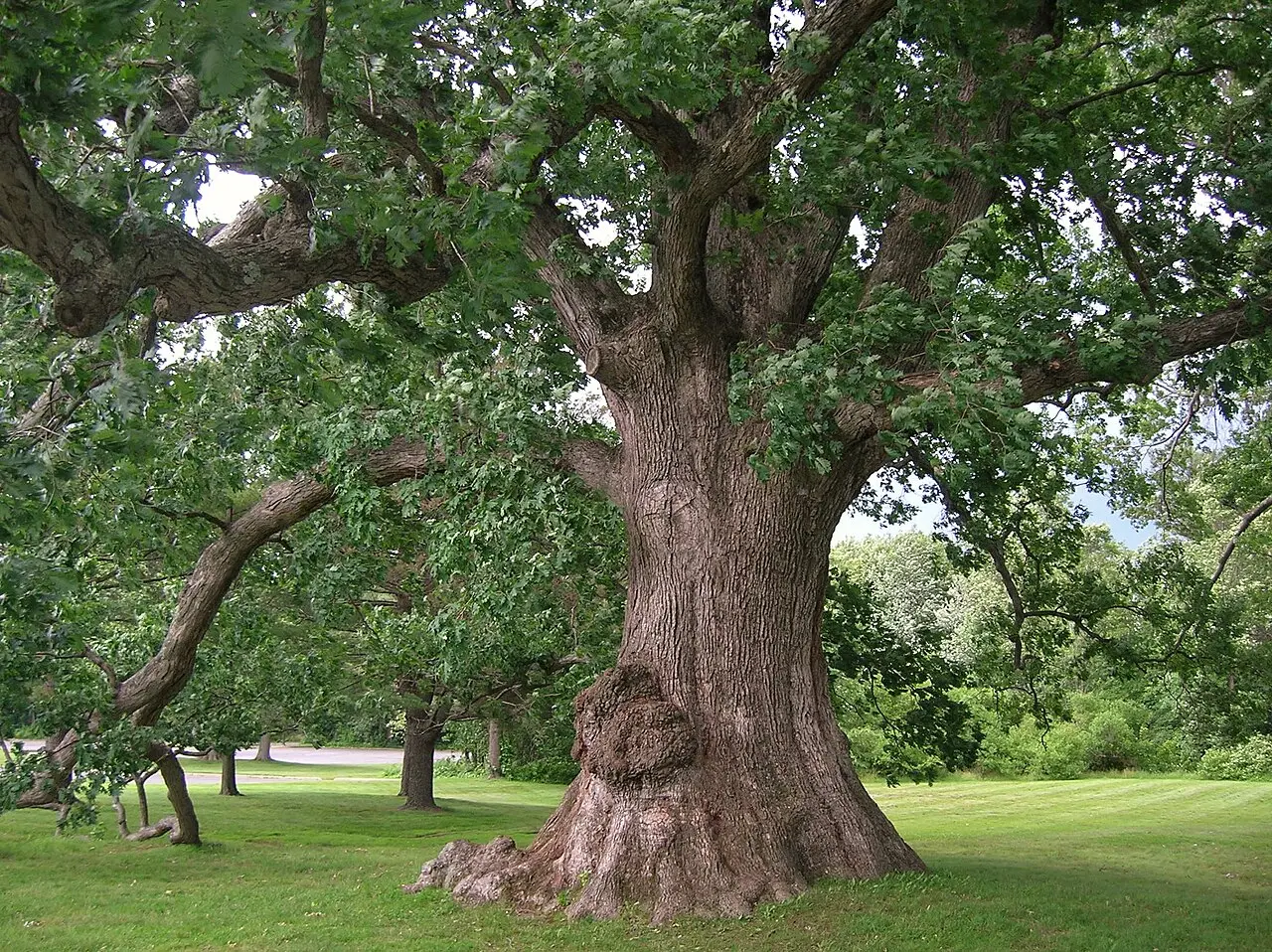
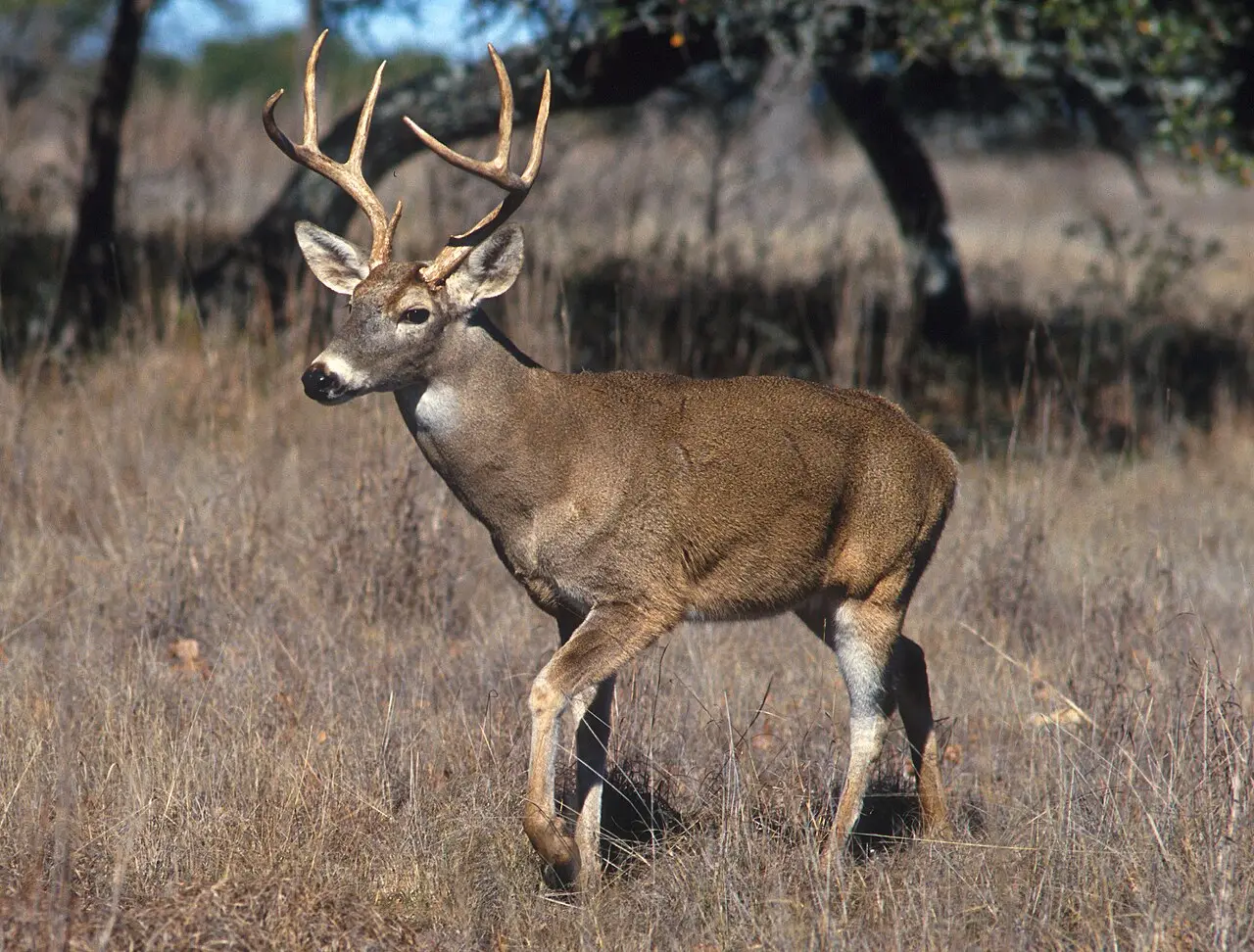
Illinois has 36 official symbols, and an unusual number came from students. Schoolchildren chose the cardinal in 1929, the violet and the oak in 1907-1908, the white-tailed deer in 1980, the monarch butterfly in 1975 and the bluegill in 1986. Later classes proposed popcorn as the state snack, the GoldRush apple, sweet corn and, in 2026, the black-and-gold bumblebee, which becomes the state bee in 2027. The state fossil is the Tully monster, a strange soft-bodied sea creature known almost only from Illinois. The most unusual symbol is the state microbe, a strain of Penicillium mold found on a cantaloupe in Peoria that made the mass production of penicillin possible during World War II. See every symbol on the Illinois symbols page.
The flag shows the eagle from the state seal on white, with the word ILLINOIS added in 1970 after a sailor in Vietnam found that nobody could identify it.
Land and people
Illinois covers 57,914 square miles, 25th among the states, and had about 12.7 million residents in 2025, sixth in the country, slightly fewer than in 2020. It borders Wisconsin, Iowa, Missouri, Kentucky and Indiana, and Lake Michigan to the northeast; the Mississippi River forms its entire western boundary. Chicago, with about 2.73 million people, is by far the largest city, home to more than a fifth of all Illinoisans. Aurora, Naperville, Joliet and Rockford follow, far behind.
Illinois state symbols
All 36 official symbols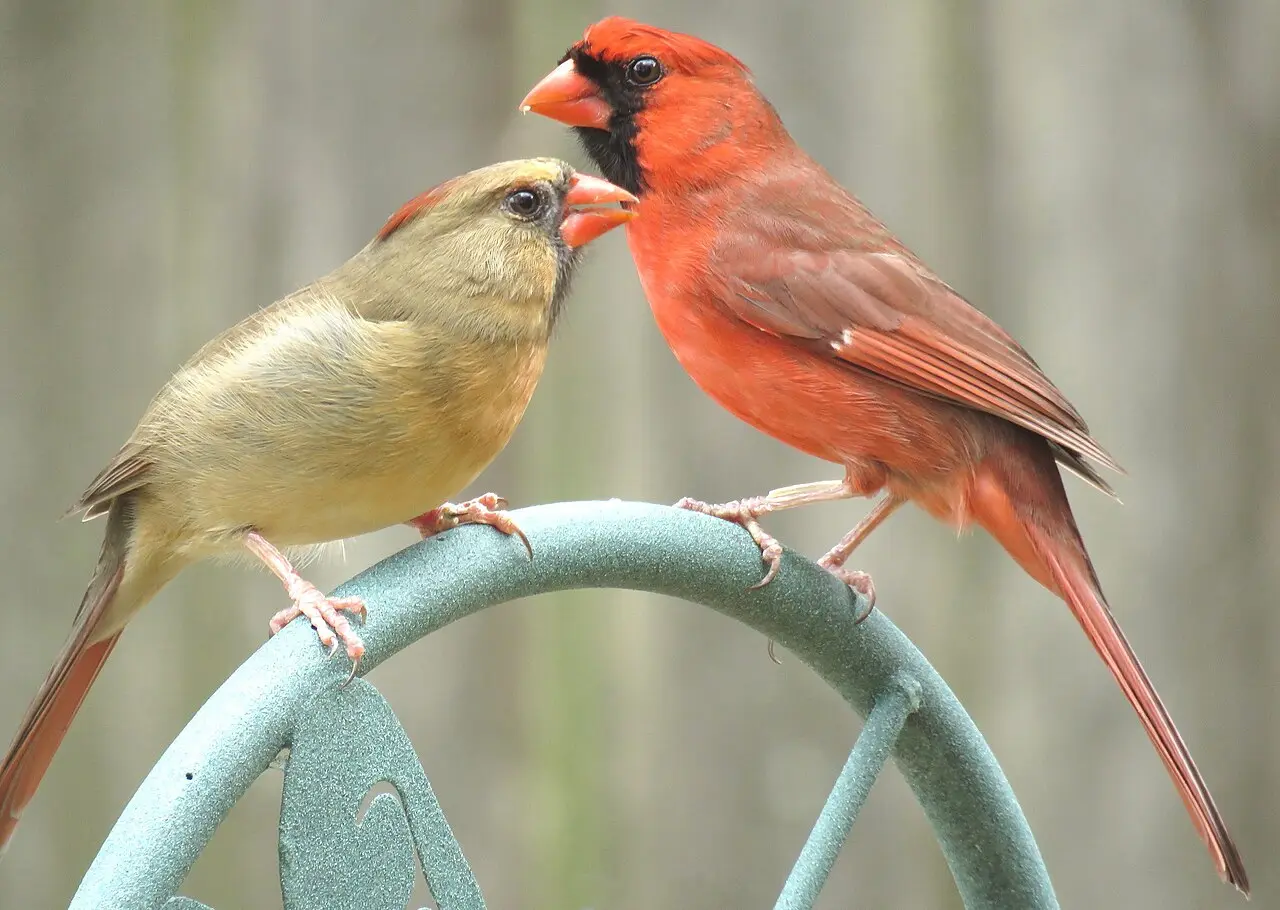

The capital: Springfield
The capital of Illinois is Springfield, the seat of government since 1839. It is the state's third capital, after Kaskaskia and Vandalia, and it won the title in 1837 thanks partly to a young legislator named Abraham Lincoln. Springfield's Capitol, finished in 1888, has an outer dome built 74 feet taller than the dome of the US Capitol.
- 1818–1820Kaskaskia
- 1820–1839Vandalia
- 1839–todaySpringfield
Where Illinois is
Illinois shares a border with 5 states: Iowa, Indiana, Kentucky, Missouri and Wisconsin.
- Land area
- 55,519 sq mi
- Water area
- 2,395 sq mi
- Population density
- 229.1 people per sq mi (13th)
Illinois trivia
- Secretary of State Sharon Tyndale wanted to reverse the seal's motto to 'National Union, State Sovereignty' after the Civil War; when the Senate refused, he twisted the banner so 'Sovereignty' appears upside down.Source: Illinois Secretary of State
- The Springfield capitol's dome was built 74 feet taller than the dome of the U.S. Capitol.Source: Illinois General Assembly, Office of the Architect of the Capitol
- The capitol's original 1868 cornerstone cracked, was quietly buried in 1870 and lay forgotten until workers dug it up under the east stairs in 1944.Source: Illinois General Assembly, Office of the Architect of the Capitol
- When the territory's June 1818 census found only about 35,000 people, officials kept counting until December 1 and reached the required 40,000, with 40,258 residents.Source: Illinois Courts
- Territorial delegate Nathaniel Pope got Congress to move the planned northern border about 60 miles north, which gave Illinois a Lake Michigan shoreline and the lead mines around Galena.Source: Illinois Courts
Questions about Illinois
- What is the capital of Illinois?
- Springfield, the capital since 1839. The earlier capitals were Kaskaskia and Vandalia.
- Why isn't Chicago the capital of Illinois?
- When Illinois chose its capitals in 1818, 1819 and 1837, Chicago was a tiny settlement. Springfield was picked in 1837 because it was nearer the center of the state, and a group of Sangamon County legislators that included Abraham Lincoln pushed the move.
- Why is Illinois called the Land of Lincoln?
- Abraham Lincoln lived in Illinois for most of his adult life and built his political career there. The General Assembly made "Land of Lincoln" the official state slogan in 1955, and it appears on license plates.
- What does Illinois mean?
- The name comes from the Illinois, a group of Native American tribes of the central Mississippi valley. Recent language studies trace it to a word meaning roughly "he speaks in the ordinary way," borrowed by the Ojibwa and then by French explorers.
Photo credits (5)
- Flag of Illinois: Denelson83, Public domain, via Wikimedia Commons
- Northern cardinal: patricia pierce, CC BY 2.0, via Wikimedia Commons
- Violet: Koyaanis Qatsi at English Wikipedia, Public domain, via Wikimedia Commons
- White oak: Marty Aligata, CC BY-SA 3.0, via Wikimedia Commons
- White-tailed deer: USDA photo by Scott Bauer, Public domain, via Wikimedia Commons
Sources
- Illinois Supreme Court History: Happy Birthday, Illinois Illinois Courts · statehood
- History of the Illinois State Capitol Illinois General Assembly, Office of the Architect of the Capitol · capital
- The Illinois State Capitol Building Illinois General Assembly, Office of the Architect of the Capitol · capital
- "Native Americans: The Illinois: Identity" Illinois State Museum
- Official State Symbols, Illinois Blue Book Illinois Secretary of State
- Springfield, Illinois The Papers of Abraham Lincoln
- US Census Bureau Vintage 2025 population estimates; 2010 state area measurements