Ohio
The Buckeye State
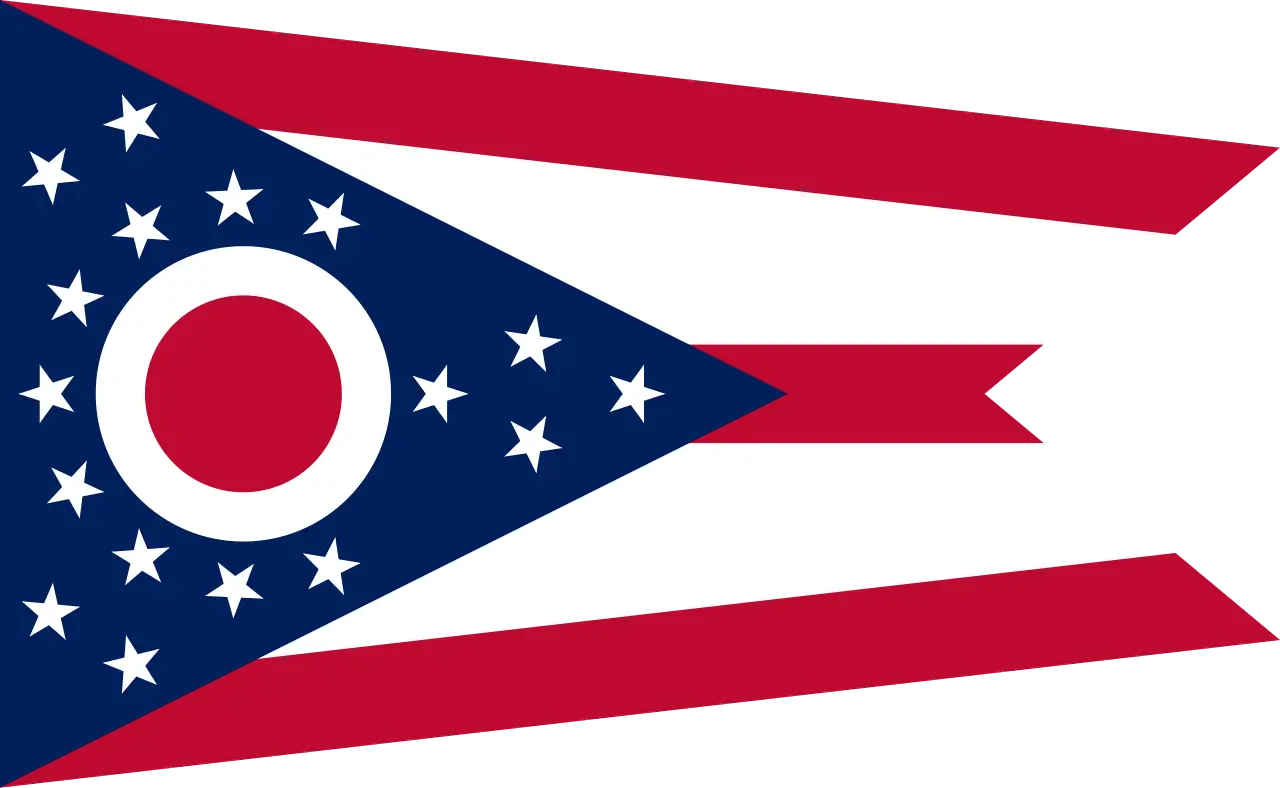
Ohio became the 17th state on March 1, 1803, formed from the Northwest Territory, although Congress did not formally ratify its admission until 1953. Its capital, Columbus, has been the seat of government since 1816 and is also the state's largest city. Ohio is known as the Buckeye State, after its state tree, and its swallowtail flag is the only state flag that is not a rectangle.
- Capital
- ColumbusCapital since 1816
- Statehood
- March 1, 180317th state
- Population, 2025
- 11,900,5107th of 50
- Area
- 44,826 sq mi34th largest · 116,098 km²
- Largest city
- Columbus938,396 people
- Abbreviation
- OHUS Postal Service code
- Motto
- With God, all things are possibleEnglish
- Borders
- 5 statesLandlocked
The good river
Ohio takes its name from the Ohio River. The river’s name comes from a Seneca word, usually translated as “good river” or “great river,” and the state was named after the river.
Out of the Northwest Territory
Ohio was formed from the Northwest Territory. A state convention at Chillicothe petitioned for admission in November 1802, and Ohio became the 17th state on March 1, 1803. But Congress never formally voted to ratify its admission. The oversight surfaced as the state prepared for its 150th anniversary, and on August 7, 1953, President Dwight D. Eisenhower signed a law making Ohio’s statehood official, retroactive to March 1, 1803.
Three capitals
Chillicothe, the seat of the Northwest Territory government since 1800, became Ohio’s first state capital. It sat on Zane’s Trace and the Scioto River and was then the largest town in the state. The legislature moved to Zanesville in 1810, returned to Chillicothe in 1812, and in 1816 settled in Columbus, then a small settlement but closer to the center of the state, where local landowners had donated land for the capitol grounds. Columbus has grown into Ohio’s largest city. Its Greek Revival Statehouse took from 1839 to 1861 to finish. The capital page tells the story.
The Buckeye State
Ohio’s nickname comes from the Ohio buckeye, a tree that grew widely in early Ohio and has been the state tree since 1953. No law formally adopts the nickname, but the flag law says the white “O” on the flag suggests it, and the official pledge to the flag promises “respect and loyalty” to “the buckeye state.”
That flag, adopted in 1902, is a swallowtail pennant, or burgee, the only state flag that is not a rectangle. Its 17 stars mark Ohio as the 17th state. See the flag page for what every part means.
A motto in court
Ohio’s motto, “With God, all things are possible,” was adopted in 1959 after a Cincinnati schoolboy proposed it. In the late 1990s the ACLU of Ohio challenged it in federal court. The case ended in 2001, when the full Sixth Circuit Court of Appeals ruled the motto constitutional.
Cardinals, carnations and tomatoes
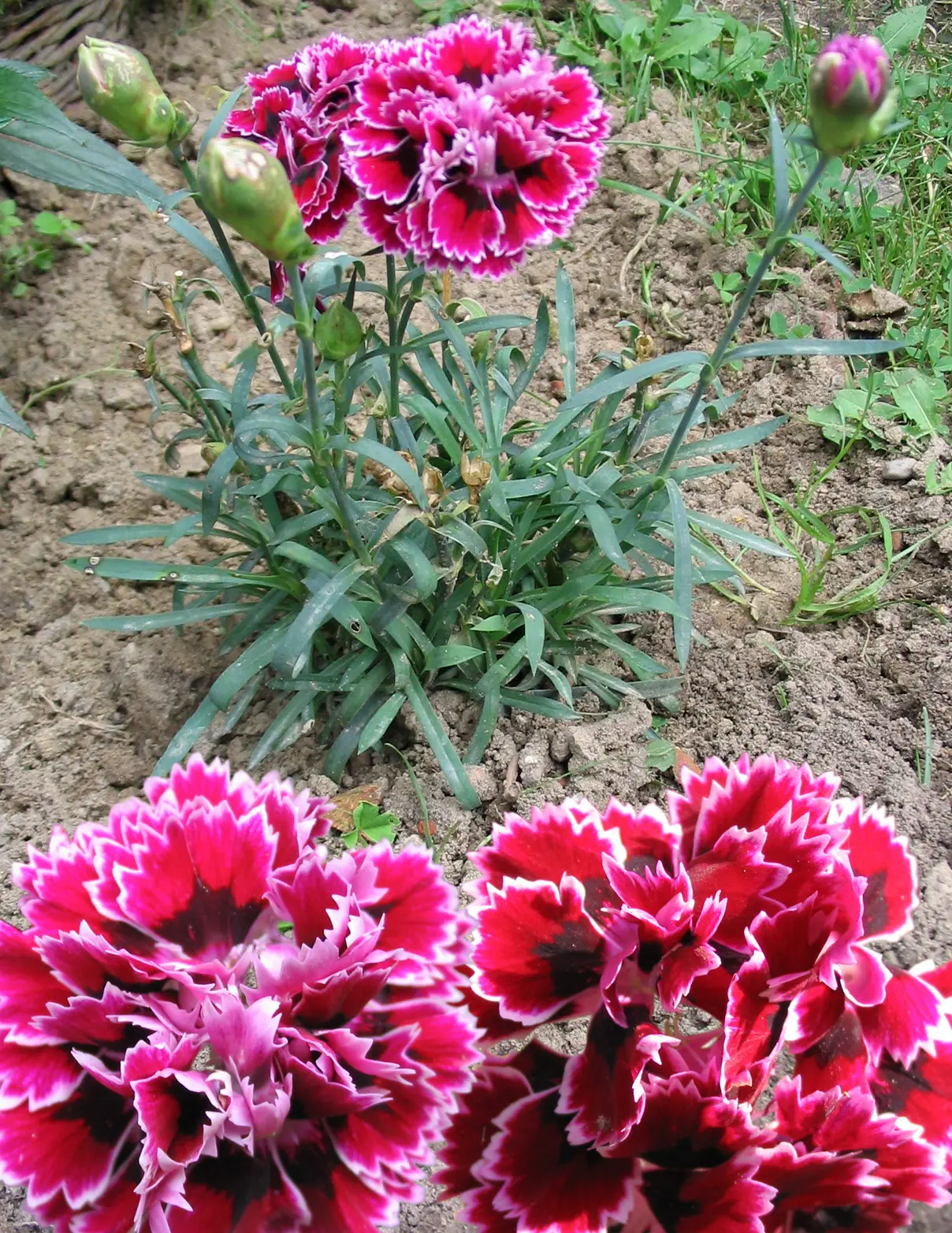
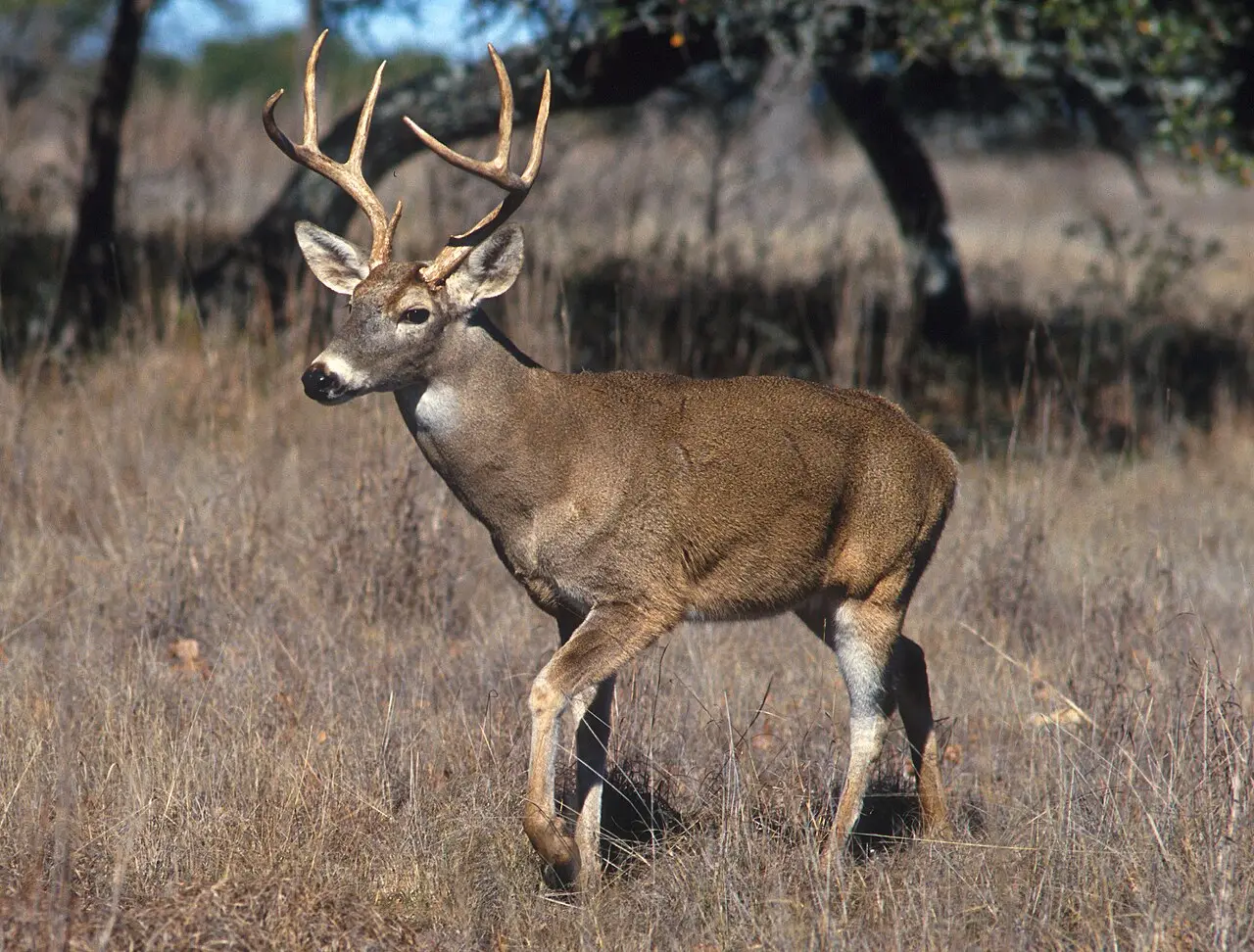
Ohio has 29 official state symbols. The northern cardinal has been the state bird since 1933, and the scarlet carnation, adopted in 1904 in memory of President William McKinley, the state flower. Ohio loves its tomatoes: tomato juice became the state beverage in 1965 and the tomato the state fruit in 2009. The list also honors Ohio’s history, from the Adena pipe and the Newark Earthworks to the Wright brothers’ 1905 Flyer III, the state airplane since 2025, and the state rock song is “Hang On Sloopy.” See every symbol on the Ohio symbols page.
Land and people
Ohio covers 44,826 square miles, 34th among the states, including nearly 4,000 square miles of water. It had about 11.9 million residents in 2025, 7th in the country. Ohio borders Pennsylvania, West Virginia, Kentucky, Indiana and Michigan, and across Lake Erie it shares a water boundary with Canada. Columbus, with about 938,000 people, is the largest city, followed by Cleveland, Cincinnati, Toledo and Akron.
Ohio state symbols
All 29 official symbols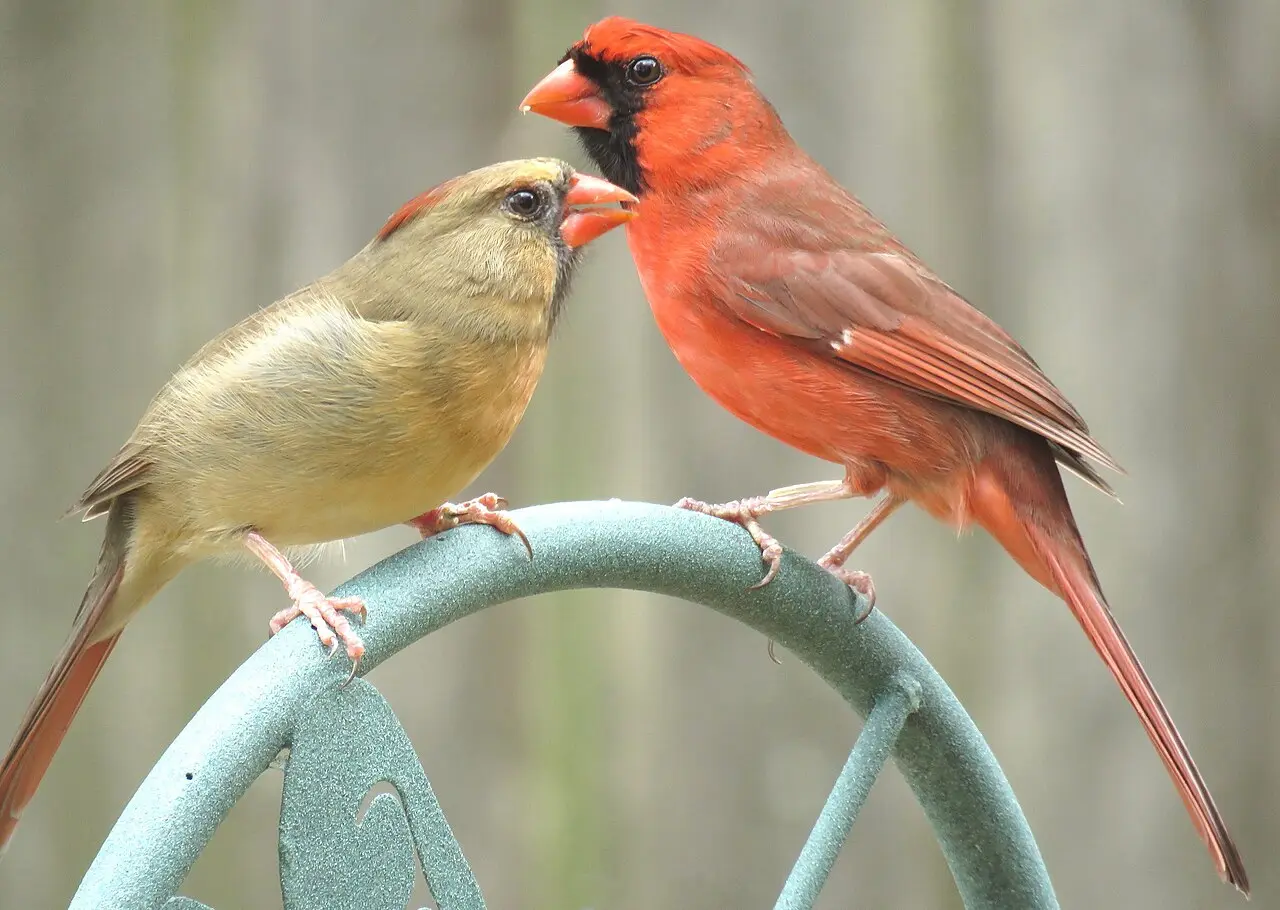

The capital: Columbus
The capital of Ohio is Columbus, where the General Assembly has met since December 1816. Ohio's first capital was Chillicothe, with a two-year stop in Zanesville, but lawmakers chose Columbus, then only a small settlement, because it lay near the center of the state. Today it is Ohio's largest city, and its Greek Revival Statehouse, finished in 1861, has a drum-shaped cupola instead of a dome.
- 1800–1810Chillicothe
- 1810–1812Zanesville
- 1812–1816Chillicothe
- 1816–todayColumbus
Where Ohio is
Ohio shares a border with 5 states: Indiana, Kentucky, Michigan, Pennsylvania and West Virginia.
- Land area
- 40,861 sq mi
- Water area
- 3,965 sq mi
- Population density
- 291.2 people per sq mi (10th)
Ohio trivia
- Ohio law sets out an official way to fold the state flag, and it takes exactly 17 folds, one for each state up to and including Ohio.Source: Onecle (copy of the Ohio Revised Code)
- A 1902 newspaper said the flag's five stripes stood for the five states formed from the Northwest Territory, but the current statute says they represent Ohio's roads and waterways.Source: Ohio Magazine
- The Ohio Statehouse took 22 years to build (1839-1861), with much of its stone quarried and cut by Ohio Penitentiary inmates; work slowed in 1849 after more than 115 penitentiary inmates died in that year's cholera epidemic.Source: Ohio Department of Natural Resources, Division of Geological Survey
- The Statehouse's 24 Doric columns, each about 6 feet thick and 36 feet tall, are cut from fossil-rich Columbus Limestone, and fossil corals and snails can be spotted in the stone.Source: Ohio Department of Natural Resources, Division of Geological Survey
- The 1985 law naming Ohio's state fossil cites a specimen from Huffman Dam near Dayton as the largest complete trilobite known; it held that title for decades, but a larger Isotelus found in northern Manitoba in 1998 is now the largest known trilobite.Source: Onecle (copy of the Ohio Revised Code)
- Akron's All-American Soap Box Derby is Ohio's official gravity racing program.Source: Ohio Legislative Service Commission
Questions about Ohio
- What is the capital of Ohio?
- Columbus, the capital since 1816 and the state's largest city. Chillicothe and Zanesville were earlier capitals.
- Why is Ohio called the Buckeye State?
- For the Ohio buckeye, a tree that grew widely in early Ohio and has been the state tree since 1953. No law formally adopts the nickname, but the flag law and the flag pledge both use it.
- When did Ohio become a state?
- On March 1, 1803. Congress never formally voted to ratify the admission at the time, so in 1953 it passed a law, signed by President Eisenhower, confirming Ohio's statehood retroactive to that date.
- What does Ohio mean?
- The state is named for the Ohio River, whose name comes from a Seneca word usually translated as "good river" or "great river."
- What is Ohio's state motto?
- '"With God, all things are possible," adopted in 1959. A federal appeals court upheld it against a constitutional challenge in 2001.'
Photo credits (5)
- Flag of Ohio: John Eisenmann, Public domain, via Wikimedia Commons
- Northern cardinal: patricia pierce, CC BY 2.0, via Wikimedia Commons
- Scarlet carnation: Darkone (talk · contribs), CC BY-SA 1.0, via Wikimedia Commons
- Ohio buckeye: Unknown author, CC BY-SA 3.0, via Wikimedia Commons
- White-tailed deer: USDA photo by Scott Bauer, Public domain, via Wikimedia Commons
Sources
- The Admission of Ohio as a State U.S. House of Representatives, History, Art & Archives · statehood
- Building Stones of the Ohio Capitols (Educational Leaflet 19) Ohio Department of Natural Resources, Division of Geological Survey · capital
- National Register of Historic Places Inventory-Nomination Form: Ohio State House National Park Service · capital
- A Legacy in Place Names Ohio University
- Ohio Revised Code, Chapter 5 (state symbols) Onecle (copy of the Ohio Revised Code)
- Ohio's State Motto State Symbols USA
- US Census Bureau Vintage 2025 population estimates; 2010 state area measurements