West Virginia
The Mountain State
West Virginia became the 35th state on June 20, 1863, formed from the western counties of Virginia in the middle of the Civil War. Its capital, Charleston, has been the seat of government since 1885 after years of moving back and forth with Wheeling, and it is also the largest city. West Virginia is known as the Mountain State, and its motto, "Montani Semper Liberi," means "Mountaineers Are Always Free."
- Capital
- CharlestonCapital since 1885
- Statehood
- June 20, 186335th state
- Population, 2025
- 1,766,14739th of 50
- Area
- 24,230 sq mi41st largest · 62,756 km²
- Largest city
- Charleston46,117 people
- Abbreviation
- WVUS Postal Service code
- Motto
- Montani Semper Liberi“Mountaineers Are Always Free”
- Borders
- 5 statesLandlocked
Kanawha or West Virginia
West Virginia nearly had a different name. In 1861 voters approved the creation of a new state under the name Kanawha, after the river and county. But on December 3, 1861, the constitutional convention meeting in Wheeling voted 30 to 14 to drop that name. In the next roll call, “West Virginia” received 30 votes and Kanawha 9, with a few votes for Western Virginia, Allegheny and Augusta. The name itself goes back to Virginia, named for Queen Elizabeth I, the Virgin Queen.
A state born in war
West Virginia was formed from the western counties of Virginia during the Civil War. On March 26, 1863, voters ratified a constitution containing the Willey Amendment, which provided for gradual emancipation, by 28,321 to 572. On April 20, 1863, President Abraham Lincoln proclaimed that West Virginia would become a state in 60 days, and on June 20, 1863, it entered the Union as the 35th state. June 20 is still West Virginia Day, a state holiday.
A capital on the river
The new state’s government first sat in Wheeling, in the Linsly Institute building. The Legislature moved the capital to Charleston in 1870, then voted to return to Wheeling in 1875; each time, officials and records traveled by river steamboat. In 1877 a statewide vote among Martinsburg, Clarksburg and Charleston gave Charleston a majority, and the government moved there for good in 1885. Its Capitol, designed by Cass Gilbert and dedicated on West Virginia Day in 1932, has a gilded dome 292 feet tall, a little taller than the dome of the US Capitol. The capital page tells the story.
Mountaineers are always free
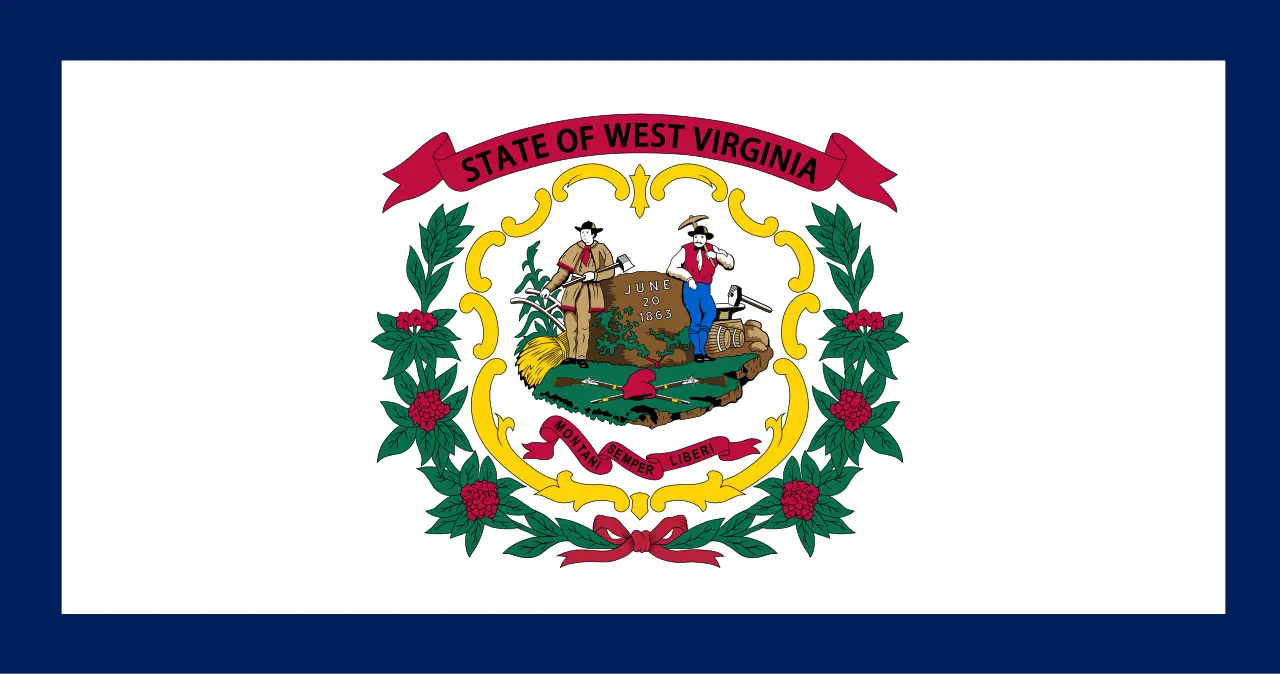
The Great Seal, adopted on September 26, 1863, and drawn by Joseph H. Diss Debar, shows a farmer and a miner on either side of a rock bearing the date of admission, June 20, 1863, with two crossed rifles and a cap of liberty in front, under the motto Montani Semper Liberi, “Mountaineers Are Always Free.” The seal’s coat of arms is the centerpiece of the white state flag, framed by a wreath of rhododendron.
Rhododendrons, cardinals and coal
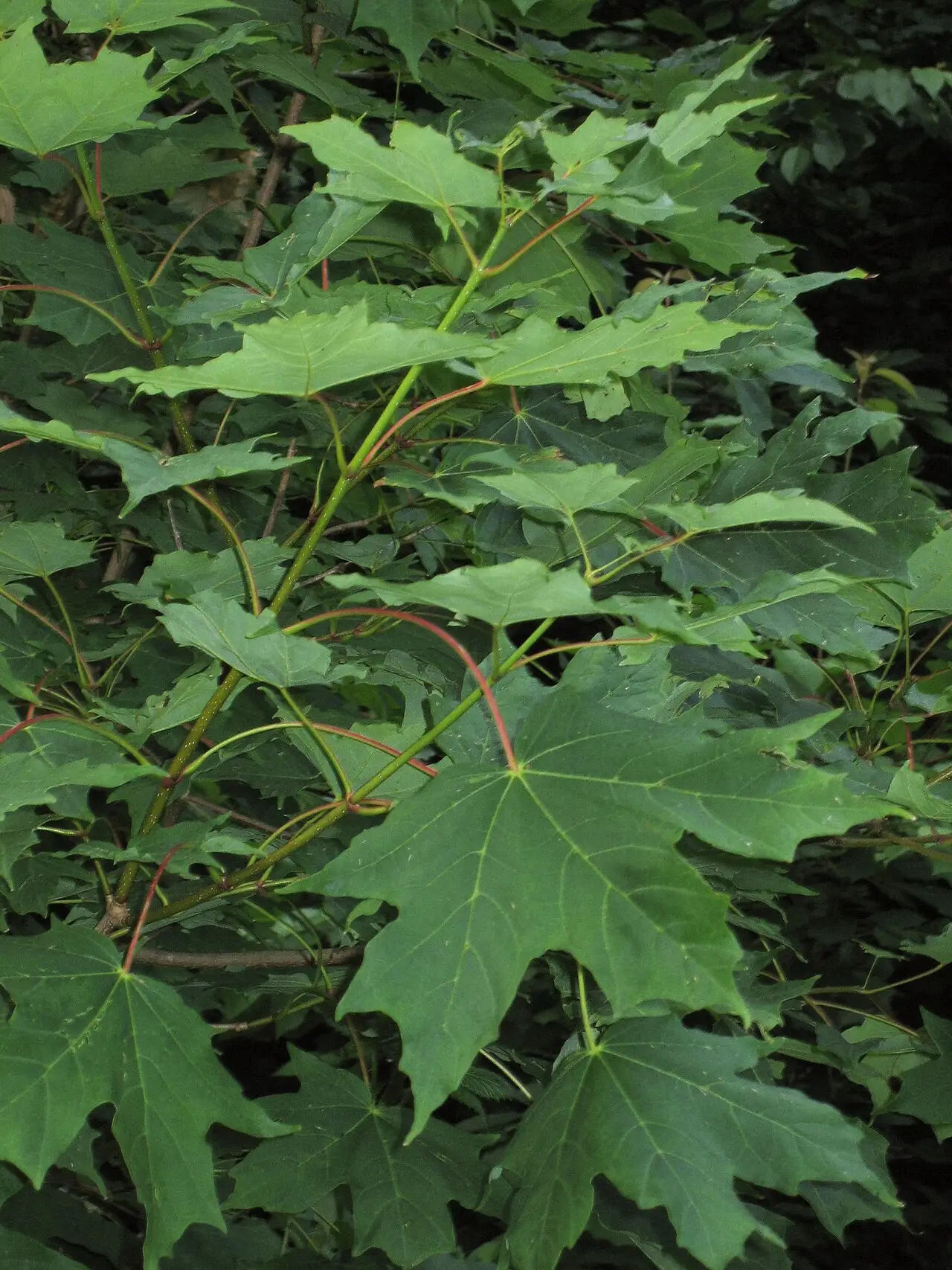
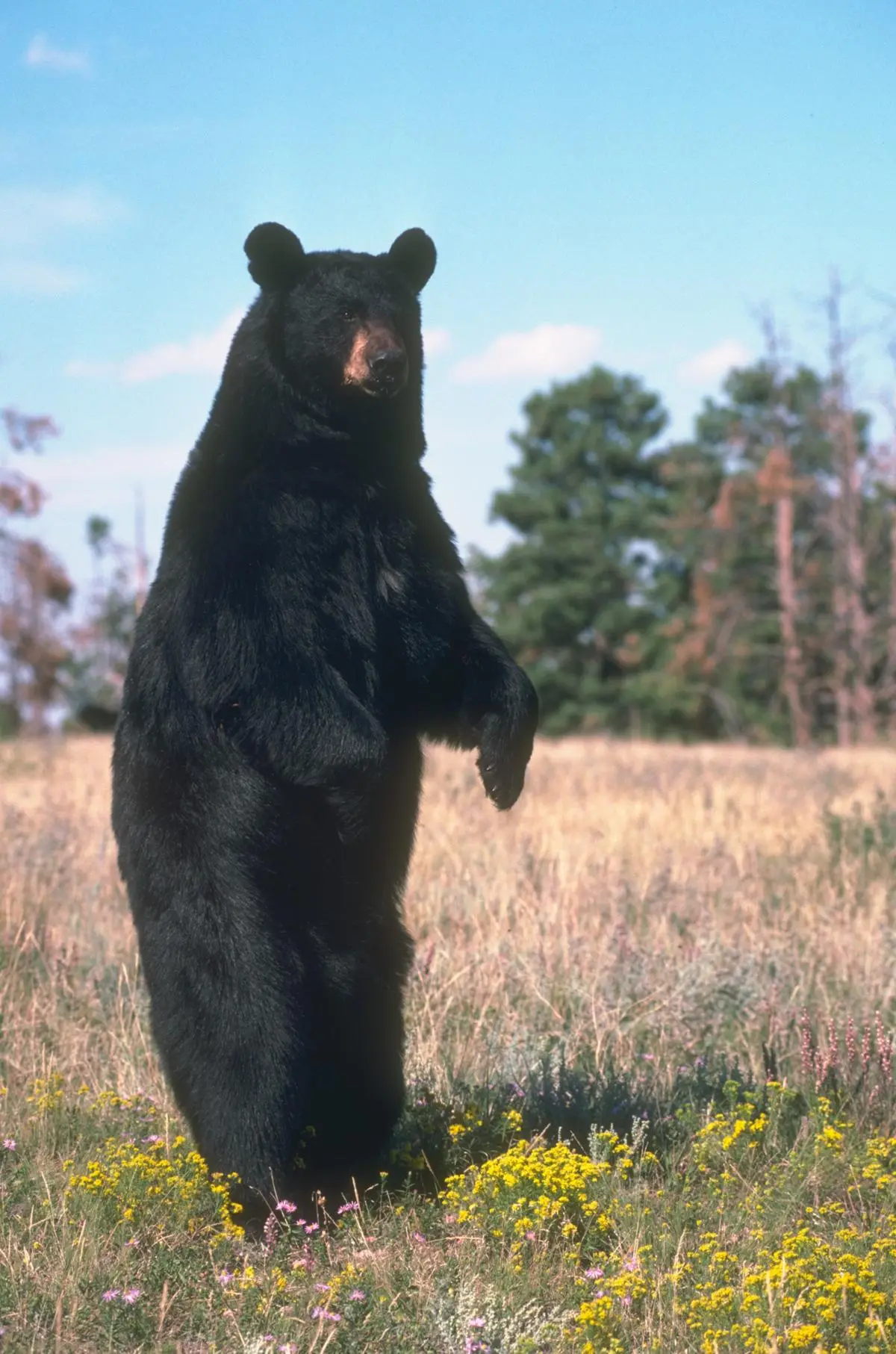
West Virginia has 29 official state symbols, most of them adopted by legislative resolution. The rhododendron, chosen by schoolchildren, has been the state flower since 1903. In a 1949 vote by schoolchildren and civic groups the northern cardinal became the state bird and the sugar maple the state tree. The black bear is the state animal, the brook trout the state fish and bituminous coal the state rock. The Golden Delicious apple, discovered in Clay County, is the state fruit, and “Take Me Home, Country Roads” is one of four official state songs. See them all on the West Virginia symbols page.
Land and people
West Virginia covers 24,230 square miles, 41st among the states, and had about 1.77 million residents in 2025, 39th in the country. Its population fell by about 1.5 percent from 2020, tied with Hawaii for the steepest decline of any state. It borders Pennsylvania, Maryland, Virginia, Kentucky and Ohio. Charleston, with about 46,000 people, is the largest city, followed by Huntington, Morgantown, Parkersburg and Wheeling.
West Virginia state symbols
All 29 official symbols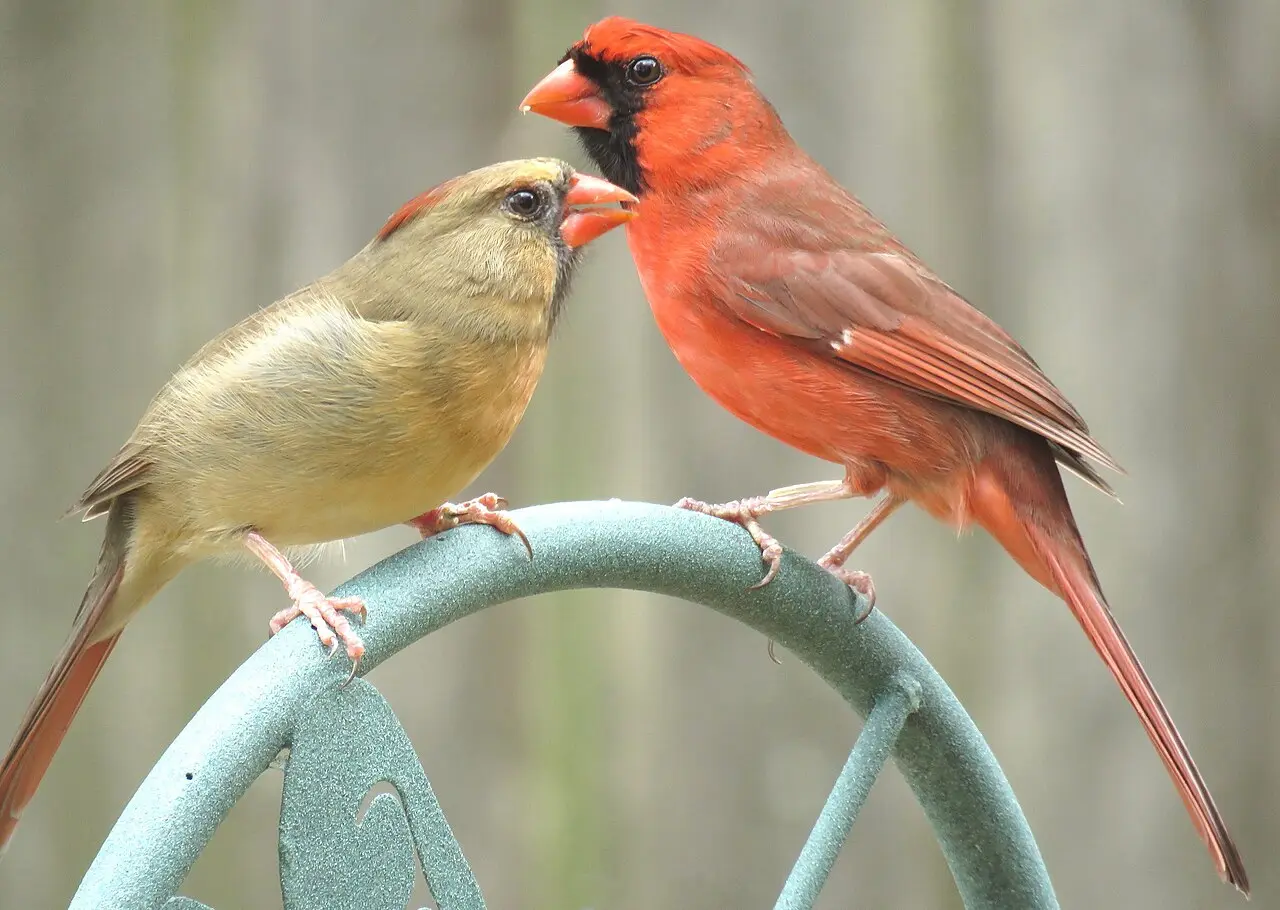

The capital: Charleston
The capital of West Virginia is Charleston, the seat of government since 1885. The capital moved three times in the state's first two decades, between Wheeling and Charleston, each time by steamboat, until an 1877 statewide vote settled on Charleston. Its Capitol, designed by Cass Gilbert and dedicated in 1932, has a gilded dome 292 feet tall, about four and a half feet taller than the dome of the US Capitol.
- 1863–1870Wheeling
- 1870–1875Charleston
- 1875–1885Wheeling
- 1885–todayCharleston
Where West Virginia is
West Virginia shares a border with 5 states: Kentucky, Maryland, Ohio, Pennsylvania and Virginia.
- Land area
- 24,038 sq mi
- Water area
- 192 sq mi
- Population density
- 73.5 people per sq mi (29th)
West Virginia trivia
- When the downtown Capitol burned in 1921, thousands of rounds of ammunition seized during coalfield unrest went off in the flames.Source: West Virginia Legislature
- After the 1921 fire, the state put up a temporary wood-and-wallboard "Pasteboard Capitol" in 42 working days.Source: West Virginia Legislature
- In 1961 the Legislature adopted "The West Virginia Hills" as the state song without realizing it had already named an official song in 1947, so in 1963 it made both official and added a third.Source: West Virginia Archives and History
- The state fossil, a giant ground sloth, is named after Thomas Jefferson, who described its bones from a Monroe County cave in 1797.Source: West Virginia Legislature
- Eighth graders at Romney Middle School were behind two state symbols: the timber rattlesnake in 2008 and the northern red salamander in 2015.Source: West Virginia Legislature
- The first state flag, adopted in 1905, was replaced in 1907 because its lettering and colors showed through the white field from the other side.Source: West Virginia Archives and History
Questions about West Virginia
- What is the capital of West Virginia?
- Charleston, the capital since 1885 and the state's largest city. Wheeling was the first capital.
- How did West Virginia become a state?
- The western counties of Virginia broke away during the Civil War. After voters ratified a state constitution with a gradual emancipation clause, President Lincoln proclaimed that West Virginia would become a state in 60 days, and it was admitted on June 20, 1863.
- What does the West Virginia motto mean?
- '"Montani Semper Liberi" is Latin for "Mountaineers Are Always Free." It has been on the state seal since 1863.'
- Was West Virginia almost called Kanawha?
- Yes. Voters approved the new state in 1861 under the name Kanawha, but on December 3, 1861, the constitutional convention dropped it and chose West Virginia instead.
- Why is West Virginia called the Mountain State?
- For its rugged, mountainous terrain. The Legislature uses the name routinely, but no law formally adopts it.
Photo credits (5)
- Flag of West Virginia: Militaryace, Denelson83, Public domain, via Wikimedia Commons
- Northern cardinal: patricia pierce, CC BY 2.0, via Wikimedia Commons
- Rhododendron: Arx Fortis, CC BY-SA 3.0, via Wikimedia Commons
- Sugar maple: MPF, CC BY 2.5, via Wikimedia Commons
- Black bear: California Department of Fish and Wildlife from Sacramento, CA, USA, CC BY 2.0, via Wikimedia Commons
Sources
- Chapter Fifteen: West Virginians Approve the Willey Amendment West Virginia Archives and History · statehood
- The Early Capitol Locations West Virginia Legislature · capital
- Summary of Facts Concerning the Capitol West Virginia Legislature · capital
- Debates and Proceedings of the First Constitutional Convention, December 3, 1861 West Virginia Archives and History
- About the Seal West Virginia Secretary of State
- Official State Symbols West Virginia Legislature
- US Census Bureau Vintage 2025 population estimates; 2010 state area measurements