Louisiana
The Pelican State
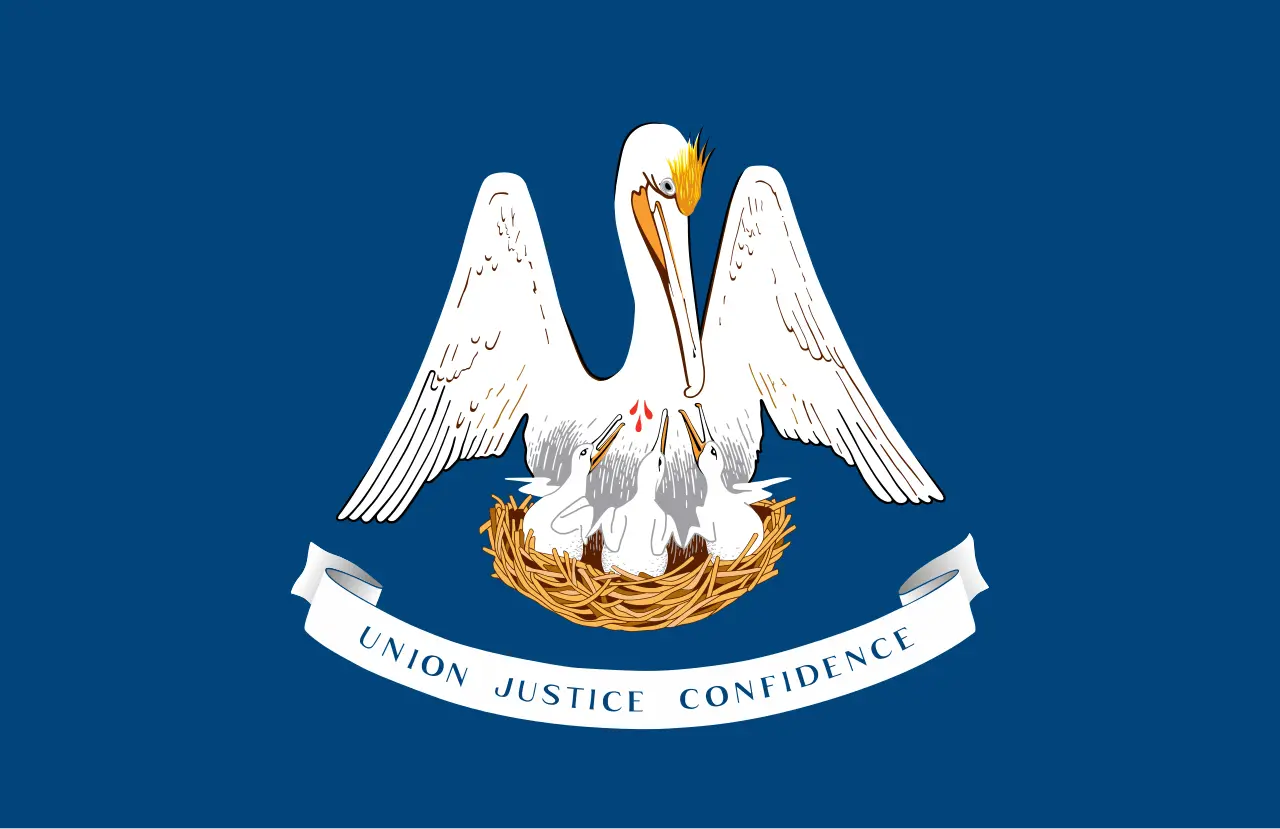
Louisiana became the 18th state on April 30, 1812, nine years to the day after the date on the Louisiana Purchase treaty. Its capital is Baton Rouge, whose Art Deco Capitol is the tallest in the country, and its largest city is New Orleans. Louisiana is known as the Pelican State, after the brown pelican on its flag and seal.
- Capital
- Baton RougeCapital since 1882
- Statehood
- April 30, 181218th state
- Population, 2025
- 4,618,18925th of 50
- Area
- 52,378 sq mi31st largest · 135,659 km²
- Largest city
- New Orleans362,154 people
- Abbreviation
- LAUS Postal Service code
- Motto
- Union, Justice and ConfidenceEnglish
- Borders
- 3 statesOcean coast
Land of Louis
Louisiana’s name is French. On April 9, 1682, the explorer René-Robert Cavelier, sieur de La Salle, reached the mouth of the Mississippi River, raised a marker and claimed the river and all the lands it drains for France, naming the territory La Louisiane after King Louis XIV. That claim was far larger than today’s state, reaching up the Mississippi valley to Canada.
France founded New Orleans in 1718, gave Louisiana to Spain in 1762 and took it back in 1800, and in 1803 sold the whole territory to the United States in the Louisiana Purchase. The southern part became the Territory of Orleans, and on April 30, 1812, it entered the Union as the state of Louisiana, the 18th state. April 30 is still Louisiana Day under state law.
French, Spanish and parishes
Louisiana’s colonial past shows everywhere. Its civil law tradition comes from French and Spanish law, unlike the English common law of other states. Instead of counties it has 64 parishes, a name from colonial times. And its Cajun and Creole cultures, its music and its food have spread around the world. Several state symbols reflect them: gumbo is the official state cuisine, the Cajun accordion the state instrument, and the fleur-de-lis, the old emblem of French kings, an official state symbol.
A capital that moved, and a tall Capitol
New Orleans was the capital for most of Louisiana’s early history. An 1845 constitution ordered the government moved at least sixty miles away, and Baton Rouge became the capital in 1850. The Civil War drove the government out, to Opelousas and Shreveport, and New Orleans served again through Reconstruction. Baton Rouge regained the title for good in 1882. Its Art Deco Capitol, pushed by Governor Huey Long and finished in 1932, rises 450 feet and 34 floors, making it the tallest state capitol in the country. Long was assassinated inside it in 1935. The capital page tells the story.
The Pelican State
The pelican has been Louisiana’s emblem since soon after statehood, when Governor William C. C. Claiborne put a pelican feeding its young on the state seal in place of an eagle. It is on the flag, and since 2006 the law has required it to show three drops of blood, after an eighth grader noticed that many flags left them out. The brown pelican became the state bird in 1966, and its comeback from local extinction is one of Louisiana’s great conservation stories. The state motto is “Union, Justice and Confidence.”
A menu of symbols
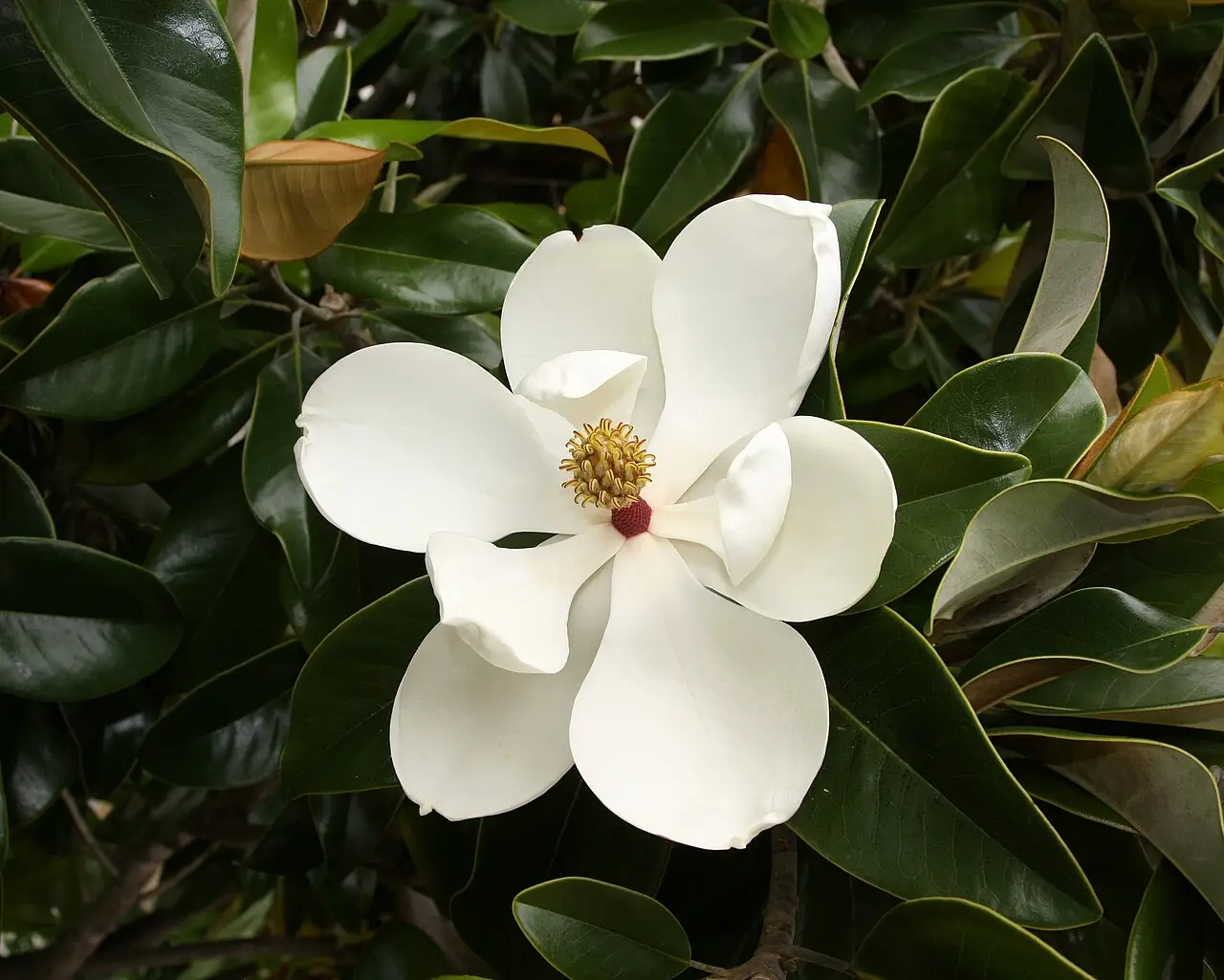
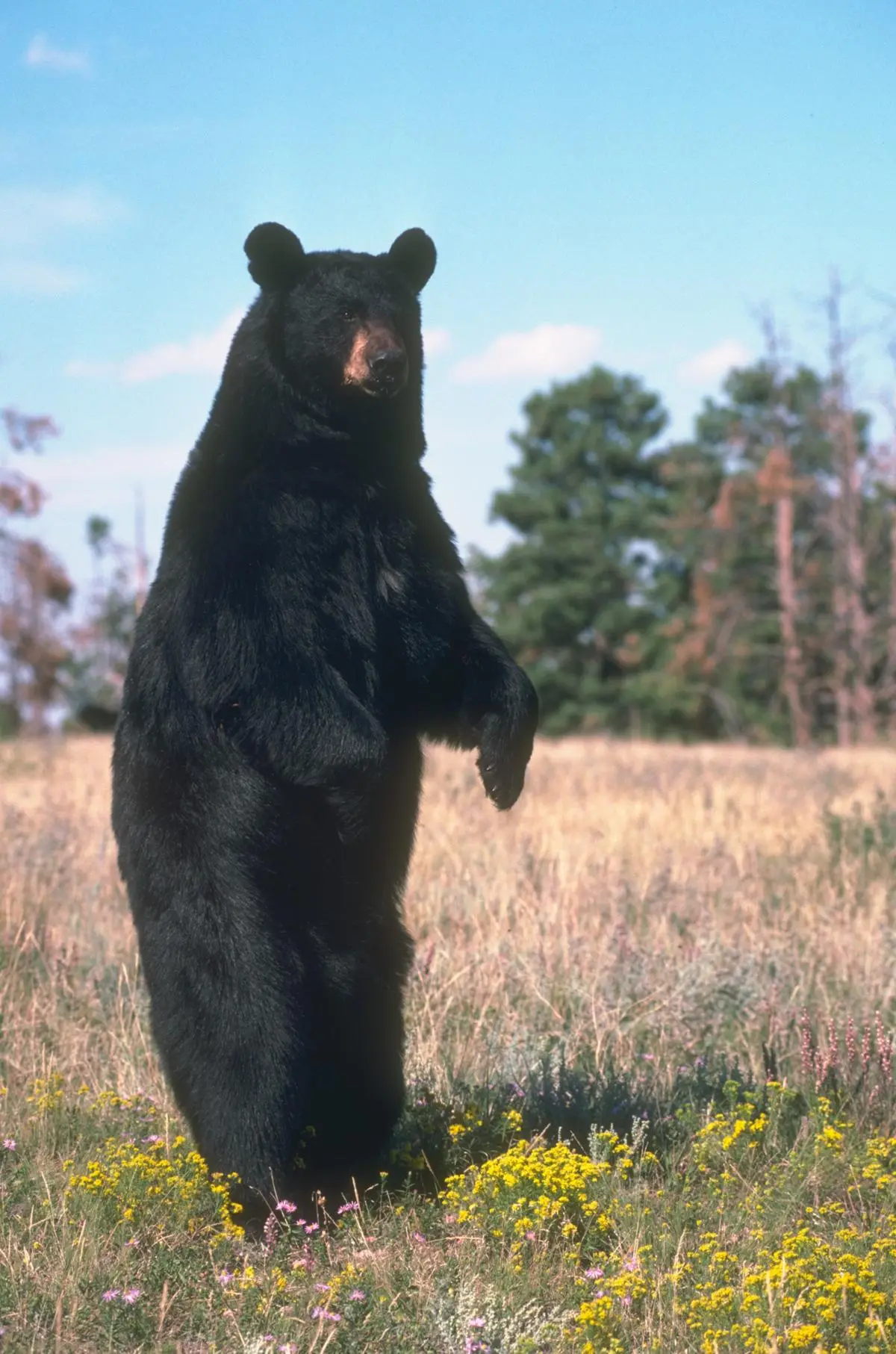
Louisiana has 44 official symbols, and food is a big part of the list. Besides gumbo, there is an official meat pie from Natchitoches, two official jellies, mayhaw and sugar cane, the Creole tomato, the sweet potato, the strawberry and the pecan. The crawfish is the state crustacean, the American alligator the state reptile and the Louisiana black bear the state mammal. The magnolia is the state flower and the bald cypress, the tree of the swamps, the state tree. The state song is “You Are My Sunshine,” recorded and popularized by Jimmie Davis, who later served two terms as governor. See every symbol on the Louisiana symbols page.
Land and people
Louisiana covers 52,378 square miles, 31st among the states, and more than 9,000 square miles of that is water: marsh, bays, lakes and rivers. It had about 4.62 million residents in 2025, 25th in the country, slightly fewer than in 2020. It borders Texas, Arkansas and Mississippi and faces the Gulf to the south, with the Mississippi River delta reaching far into it. New Orleans, with about 362,000 people, is the largest city, followed by Baton Rouge, Shreveport and Lafayette.
Louisiana state symbols
All 44 official symbols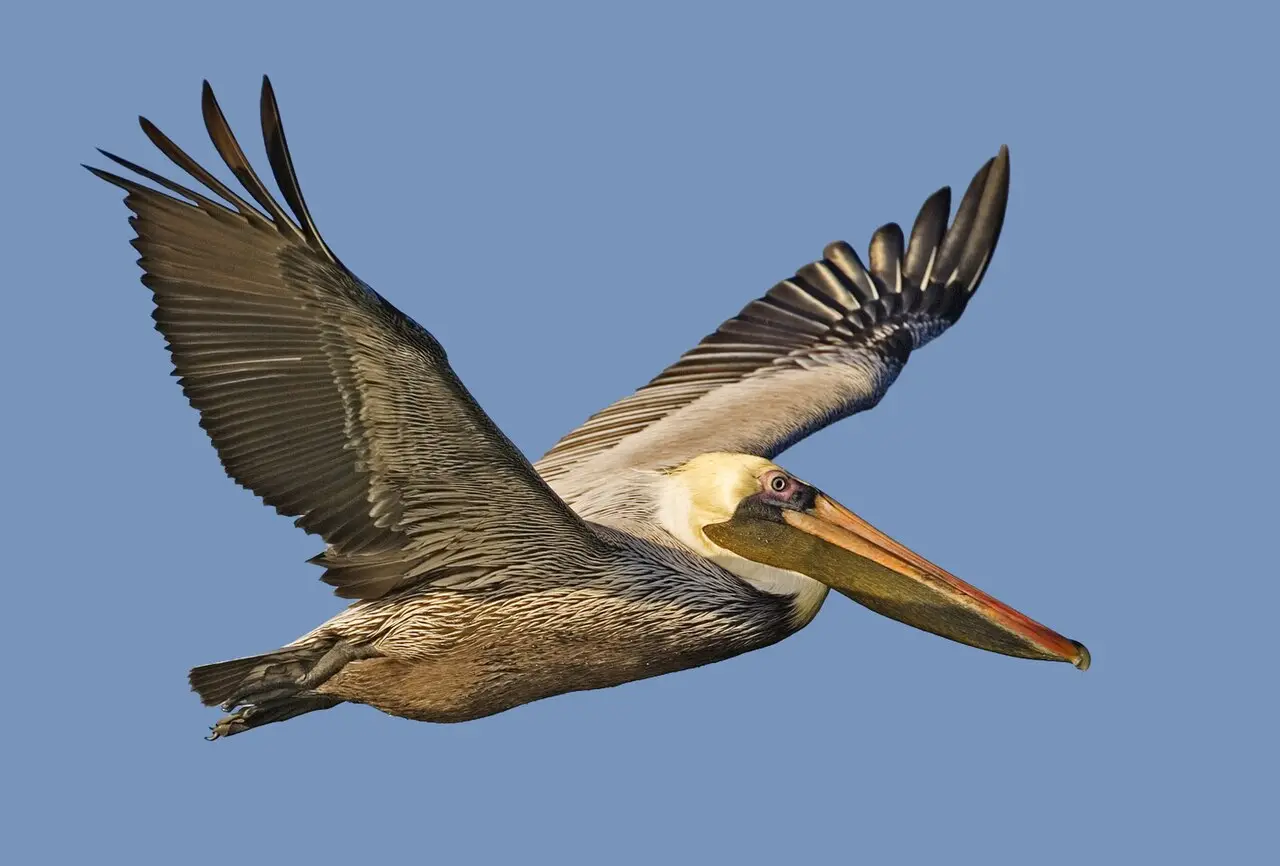

The capital: Baton Rouge
The capital of Louisiana is Baton Rouge, the seat of government since 1882. It first became the capital in 1850, after a constitution ordered the government out of New Orleans, but the Civil War drove it away and New Orleans served again until 1882. Baton Rouge's 34-story Capitol, built for Governor Huey Long and finished in 1932, is the tallest state capitol in the country.
- 1812–1830New Orleans
- 1830–1831Donaldsonville
- 1831–1849New Orleans
- 1850–1862Baton Rouge
- 1862–1865Opelousas and Shreveport
- 1864–1882New Orleans
- 1882–todayBaton Rouge
Where Louisiana is
Louisiana shares a border with 3 states: Arkansas, Mississippi and Texas.
- Land area
- 43,204 sq mi
- Water area
- 9,174 sq mi
- Population density
- 106.9 people per sq mi (26th)
Louisiana trivia
- Louisiana entered the Union on April 30, 1812, exactly nine years after the date on the Louisiana Purchase treaty (the treaty is dated April 30, 1803, although the negotiators actually signed it in Paris on May 2).Source: U.S. National Archives (Center for Legislative Archives)
- Donaldsonville served as the capital only briefly: lawmakers met there in 1830 and in January 1831 before moving back to New Orleans.Source: Law Library of Louisiana
- Louisiana has two official state jellies: mayhaw jelly and Louisiana sugar cane jelly.Source: Louisiana State Legislature
- The pirogue, a small flat-bottomed boat, has been Louisiana's official state boat since 2012.Source: Louisiana State Legislature
- April 30 is "Louisiana Day" under state law, though it is not a legal holiday.Source: Louisiana State Legislature
- Louisiana has an official state children's Christmas book, "Cajun Night Before Christmas", designated in 2025.Source: Louisiana State Legislature
Questions about Louisiana
- What is the capital of Louisiana?
- Baton Rouge. It was the capital from 1850 to 1862 and has been again since 1882; New Orleans was the capital for most of the years in between and before.
- Why is Louisiana called the Pelican State?
- Because of the pelican, which has appeared on the state seal since soon after statehood and is on the state flag. The brown pelican is also the state bird. No law formally adopts the nickname.
- Does Louisiana have counties?
- No. Louisiana is divided into 64 parishes, a name that dates from its French and Spanish colonial past, when church parishes served as local government districts.
- Where does the name Louisiana come from?
- From King Louis XIV of France. The explorer La Salle claimed the Mississippi and the lands it drains for France in 1682 and called the territory La Louisiane, "land of Louis."
Photo credits (5)
- Flag of Louisiana: Curtis Vann, Jr, Public domain, via Wikimedia Commons
- Brown pelican: Alan D. Wilson, www.naturespicsonline.com (original photograph), Papa Lima Whiskey…, CC BY-SA 3.0, via Wikimedia Commons
- Magnolia: Ianaré Sévi, CC BY-SA 3.0, via Wikimedia Commons
- Bald cypress: Unknown author, Public domain, via Wikimedia Commons
- Louisiana black bear: California Department of Fish and Wildlife from Sacramento, CA, USA, CC BY 2.0, via Wikimedia Commons
Sources
- H.R. 88, An act for the admission of the State of Louisiana into the Union, March 20, 1812 U.S. National Archives (Center for Legislative Archives) · statehood
- Louisiana Capitol History and Tour Louisiana House of Representatives · capital
- Louisiana Capital Locations (research guide) Law Library of Louisiana · capital
- René-Robert Cavelier, sieur de La Salle 64 Parishes (Louisiana Endowment for the Humanities)
- Louisiana State Symbols Louisiana House of Representatives
- US Census Bureau Vintage 2025 population estimates; 2010 state area measurements