New Jersey
The Garden State
New Jersey became the third state on December 18, 1787, when a convention in Trenton ratified the US Constitution unanimously. Trenton has been the capital since 1790, and Newark is the largest city. Known as the Garden State, New Jersey is the most densely populated state, with nearly 1,300 people per square mile, and one of only two states, with Maryland, that have no official state song.
- Capital
- TrentonCapital since 1790
- Statehood
- December 18, 17873rd state
- Population, 2025
- 9,548,21511th of 50
- Area
- 8,723 sq mi47th largest · 22,591 km²
- Largest city
- Newark323,808 people
- Abbreviation
- NJUS Postal Service code
- Motto
- Liberty and ProsperityEnglish
- Borders
- 3 statesOcean coast
Named for an island
New Jersey is named for the Isle of Jersey, a British island in the English Channel. In a grant dated June 24, 1664, James, Duke of York, handed the land between the Hudson and Delaware rivers to Sir George Carteret and John, Lord Berkeley, two supporters of the Stuart royal family during the English Civil War. The deed said the tract would be called “New Caesarea or New Jersey.” Carteret had served as bailiff of Jersey, and the name honored his home island, which old maps also labeled with its Latin name, Caesarea.
Two Jerseys, then one
For its first decades New Jersey was really two colonies. East Jersey was governed first from Elizabethtown and then from Perth Amboy, and West Jersey from Burlington. They were united as a single royal colony in 1702, but government business kept moving back and forth between Perth Amboy and Burlington for most of the next century.
Crossroads of the Revolution
New Jersey sat between British-held New York and Philadelphia, and more than 600 battles and skirmishes were fought on its soil, earning it the name “Crossroads of the American Revolution.” Its first state constitution, of 1776, let property-owning single women and free Black men vote, until an 1807 law limited voting to white men. On December 18, 1787, a convention at Trenton ratified the US Constitution unanimously, making New Jersey the third state.
Trenton
Trenton had a brief moment as a national capital, when the US Congress met there in November and December 1784. On November 25, 1790, New Jersey made it the state’s single capital, and the first State House there was finished two years later. That building, much enlarged, is still in use, making it one of the oldest state capitols in continuous use. The capital page tells the story.
The Garden State
New Jersey’s nickname has a disputed origin. It was long credited to Abraham Browning, who was said to have used it in an 1876 speech at the Centennial Exhibition in Philadelphia, but the State Library notes that the phrase is not in his speech and appeared in print as early as 1862. In 1954 the Legislature put “Garden State” on license plates over Governor Robert Meyner’s veto, and in 2017 it became the official state slogan.
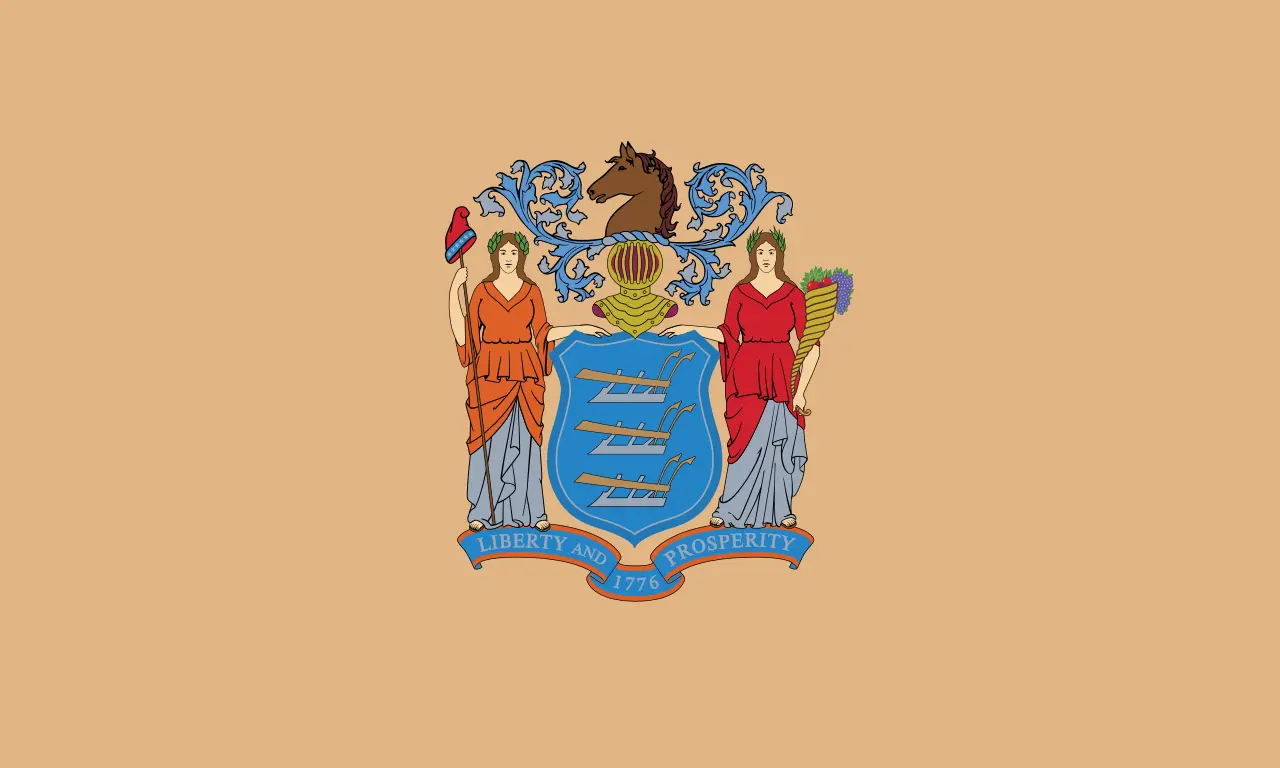
The state has no official song, and its motto, “Liberty and Prosperity,” comes from the Great Seal rather than a law. The state flag puts the state’s coat of arms, with three plows between the goddesses Liberty and Ceres, on a field of buff, a color George Washington chose for New Jersey’s Revolutionary regiments.
Goldfinches, violets and a dinosaur
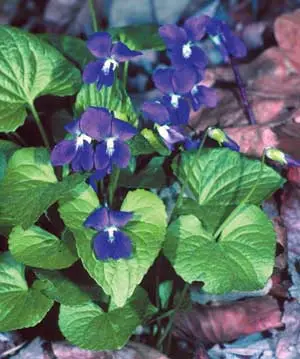
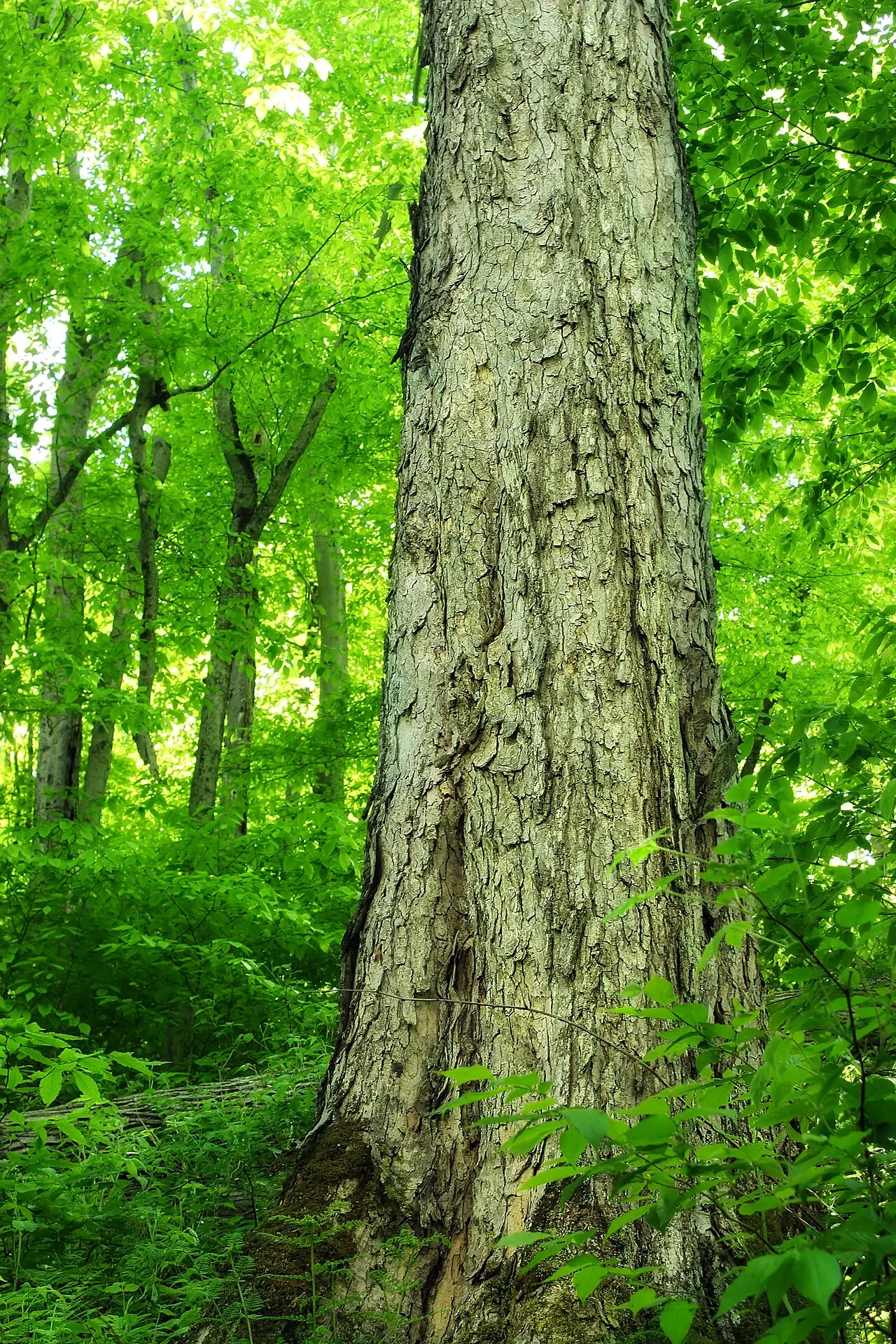
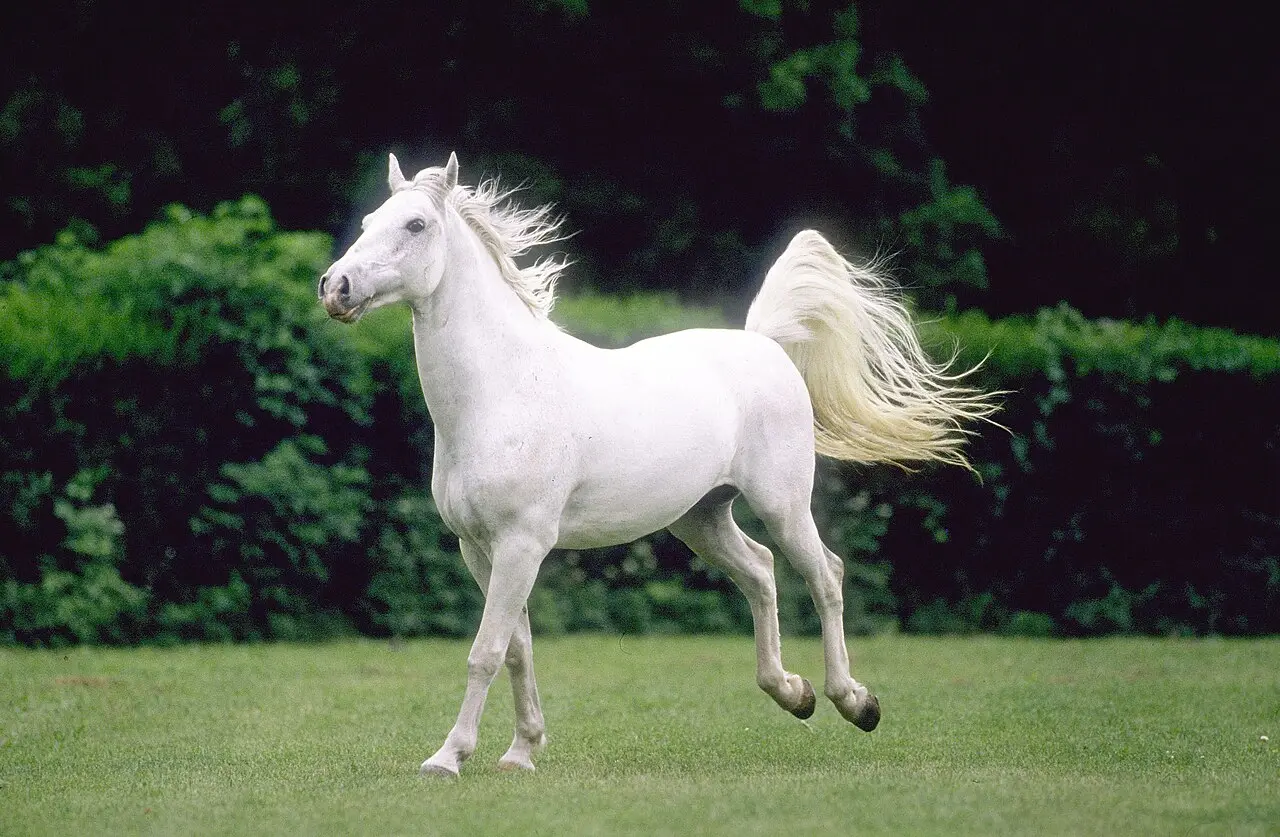
New Jersey has 26 official state symbols, and students campaigned for many of them. The eastern goldfinch became the state bird in 1935 and the common meadow violet the state flower in 1972; the northern red oak is the state tree. The horse is the state animal, the honey bee the “State Bug,” and Hadrosaurus foulkii, dug up in Haddonfield in 1858, the state dinosaur. Newer symbols honor New Jersey inventions and institutions: Thomas Edison as state inventor, the Seeing Eye dog, the soil microbe that gave the world streptomycin, the battleship USS New Jersey and, since 2023, cranberry juice. See them all on the New Jersey symbols page.
Land and people
New Jersey covers 8,723 square miles, 47th among the states, and had about 9.55 million residents in 2025, 11th in the country. With 1,298 people per square mile of land, it is the most densely populated state. It borders New York, Pennsylvania and Delaware, and faces the Atlantic Ocean along its eastern shore. Newark, with about 324,000 people, is the largest city, followed by Jersey City, Paterson, Elizabeth and Trenton.
New Jersey state symbols
All 26 official symbols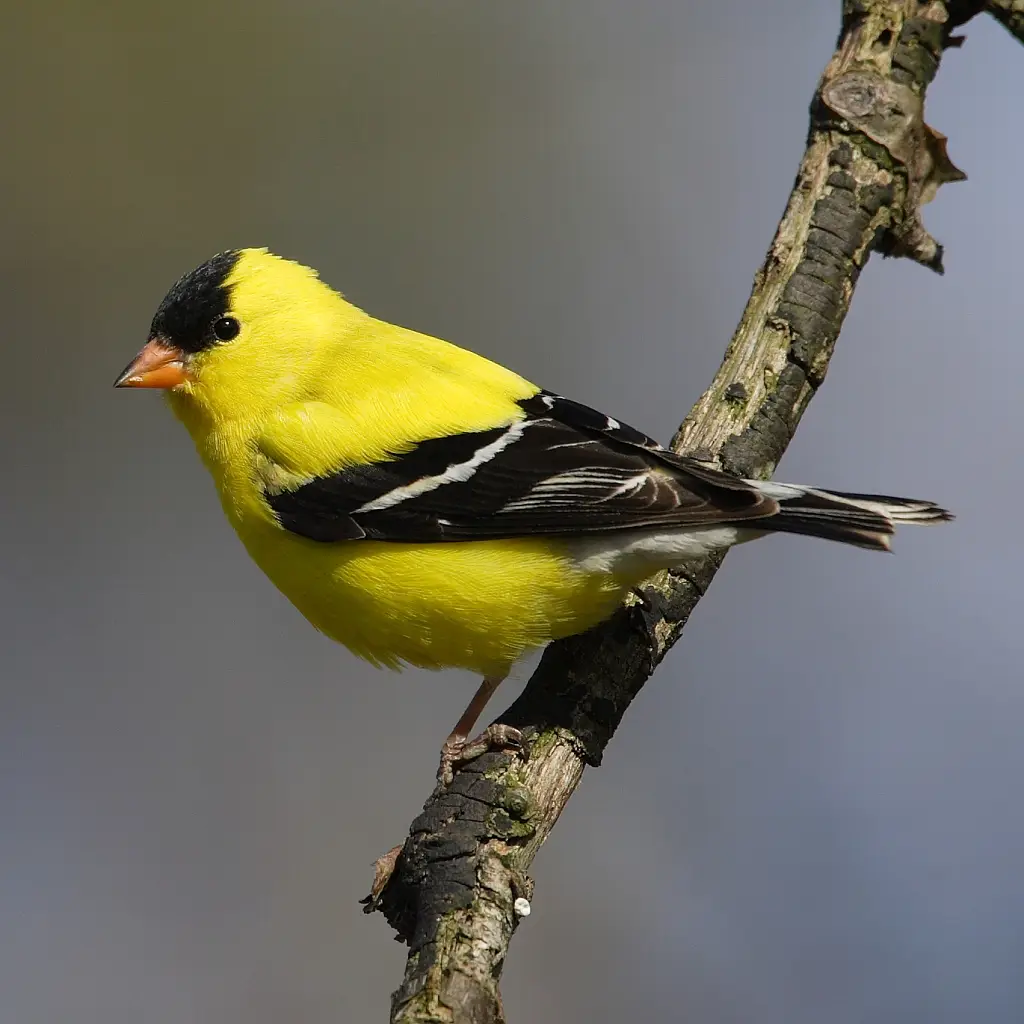
The capital: Trenton
The capital of New Jersey is Trenton, the single seat of government since November 25, 1790. Before that, New Jersey's government had moved for more than a century between Perth Amboy and Burlington, the old capitals of East and West Jersey, and during the Revolution it had no fixed seat at all. Trenton's State House, first finished in 1792, is one of the oldest state capitols still in use.
- 1776–1790Several towns
- 1790–todayTrenton
Where New Jersey is
New Jersey shares a border with 3 states: Delaware, New York and Pennsylvania.
- Land area
- 7,354 sq mi
- Water area
- 1,368 sq mi
- Population density
- 1,298.4 people per sq mi (1st)
New Jersey trivia
- New Jersey was the first state to approve the Bill of Rights.Source: State of New Jersey (NJ.gov)
- On March 31, 1870, Thomas Mundy Peterson of Perth Amboy became the first African American in the country to vote under the newly ratified Fifteenth Amendment.Source: State of New Jersey (NJ.gov)
- New Jersey's first constitution let property-owning single women and free Black men vote, until an 1807 law limited voting to white men.Source: State of New Jersey (NJ.gov)
- The gold leaf on the State House dome was paid for by New Jersey school children through a 'Dimes for the Dome' fundraiser.Source: State of New Jersey (NJ.gov)
- Hadrosaurus foulkii, found in Haddonfield in 1858, was the first nearly complete dinosaur skeleton discovered anywhere and later the first dinosaur put on public display.Source: New Jersey State Library
- The first cultivated blueberries were grown at Whitesbog in the Pine Barrens in 1916.Source: New Jersey State Library
Questions about New Jersey
- What is the capital of New Jersey?
- Trenton, the capital since November 25, 1790. Newark is the largest city.
- Why is New Jersey called the Garden State?
- The phrase was long credited to an 1876 speech by Abraham Browning, but the State Library has found it in print as early as 1862. It has been on license plates since 1954 and became the official state slogan in 2017.
- Does New Jersey have a state song?
- No. New Jersey has no official state song.
- What is the state motto of New Jersey?
- '"Liberty and Prosperity." It comes from the state seal and was never formally adopted as a motto by law.'
- Where does the name New Jersey come from?
- From the Isle of Jersey in the English Channel, home of Sir George Carteret, one of the two men granted the land in 1664.
Photo credits (5)
- Flag of New Jersey: author of xrmap, with modifications by Denelson83 and ChrisRuvolo, Public domain, via Wikimedia Commons
- Eastern goldfinch: Mdf, CC BY-SA 3.0, via Wikimedia Commons
- Common meadow violet: Unknown author, Public domain, via Wikimedia Commons
- Northern red oak: Nicholas A. Tonelli from Northeast Pennsylvania, USA, CC BY 2.0, via Wikimedia Commons
- Horse: Srdjan Živulovič, Attribution, via Wikimedia Commons
Sources
- Documentary Treasures: 1787 Convention Minutes New Jersey State Archives · statehood
- The Jerseys: yes, there is more than one New Jersey State Library · capital
- A Short History of New Jersey State of New Jersey (NJ.gov) · capital
- "Documentary Treasures: The Duke of York's Release to Berkeley and Carteret, 1664" New Jersey State Archives
- "Frequently Asked Questions: NJ Facts" State of New Jersey
- New Jersey State Symbols, State Slogan New Jersey State Library
- US Census Bureau Vintage 2025 population estimates; 2010 state area measurements