State flowers of all 50 states
Every state has an official flower, and flowers were among the first symbols states adopted. Vermont named the red clover in 1894, and more than half the states had a flower by 1920. The most recent choice is the Oklahoma Rose, adopted in 2004.
Every state flower
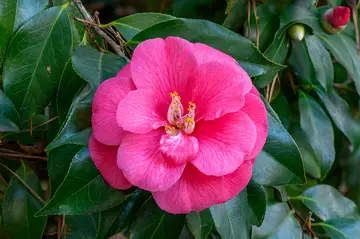
AlabamaCamelliaAdopted 1959 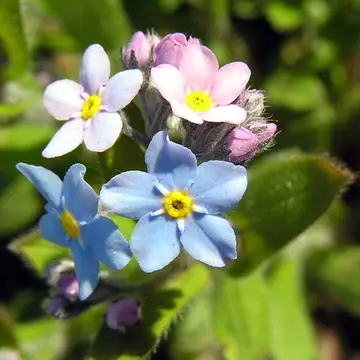
AlaskaWild native forget-me-notAdopted 1917 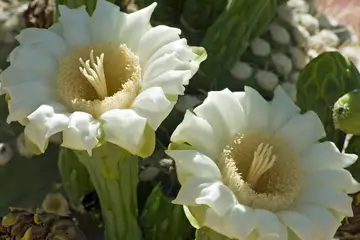
ArizonaSaguaro blossomAdopted 1931 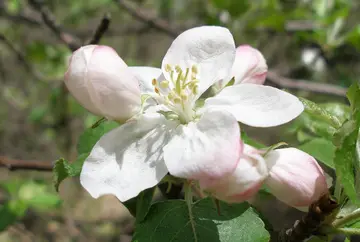
ArkansasApple blossomAdopted 1901 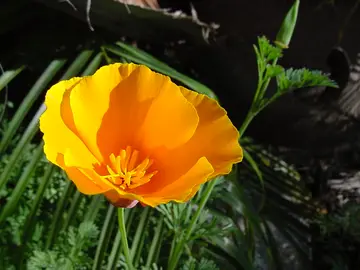
CaliforniaCalifornia poppyAdopted 1903 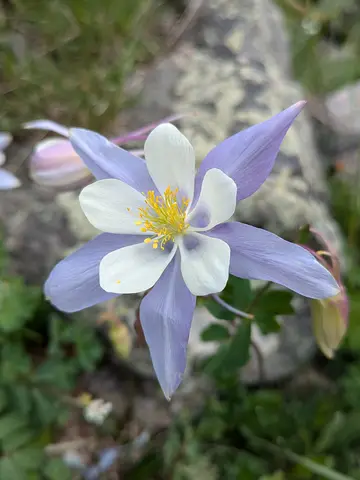
ColoradoWhite and lavender columbineAdopted 1899 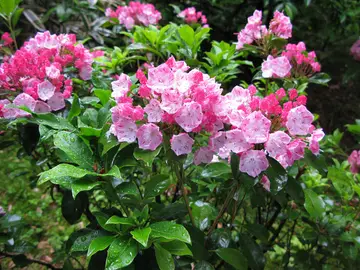
ConnecticutMountain laurelAdopted 1907 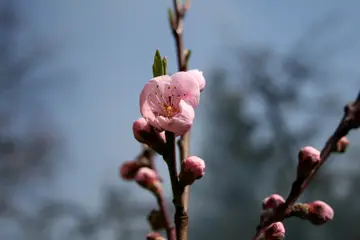
DelawarePeach blossomAdopted 1895 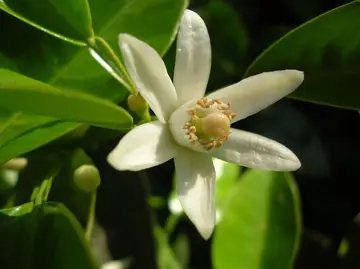
FloridaOrange blossomAdopted 1909 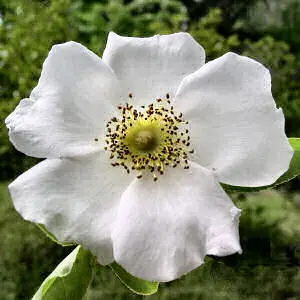
GeorgiaCherokee roseAdopted 1916 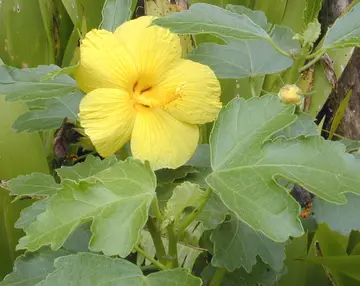
HawaiiPua aloalo / maʻo hau heleAdopted 1988 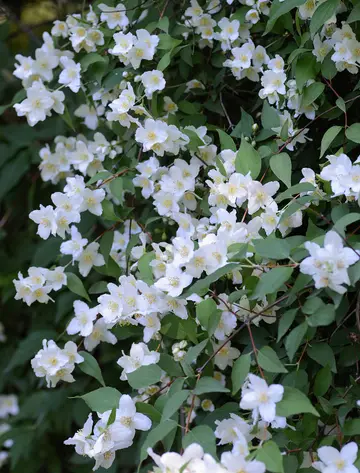
IdahoSyringaAdopted 1931 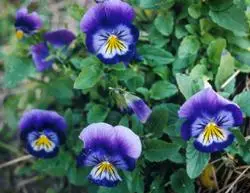
IllinoisVioletAdopted 1908 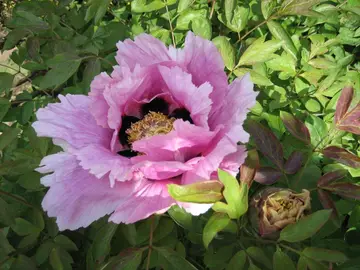
IndianaPeonyAdopted 1957 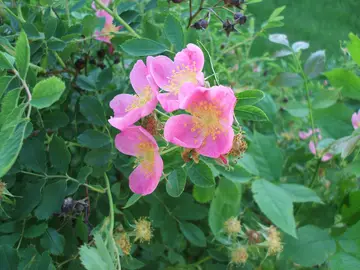
IowaWild roseAdopted 1897 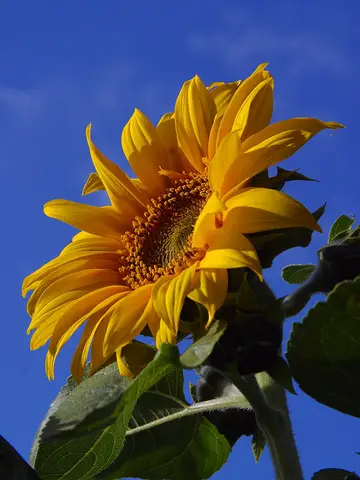
KansasWild native sunflowerAdopted 1903 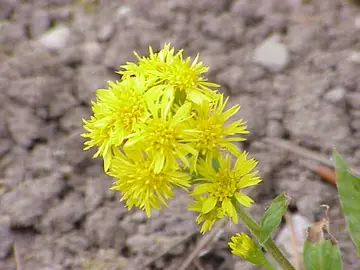
KentuckyGoldenrodAdopted 1926 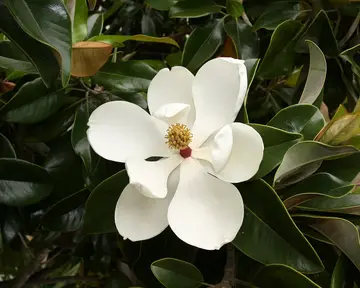
LouisianaMagnoliaAdopted 1900 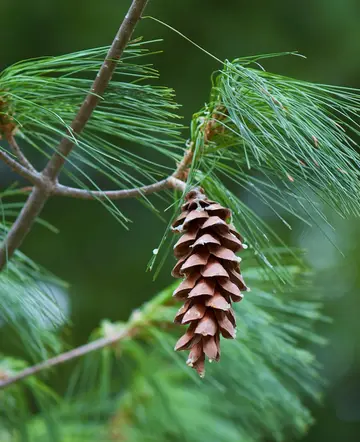
MaineWhite pine cone and tasselAdopted 1895 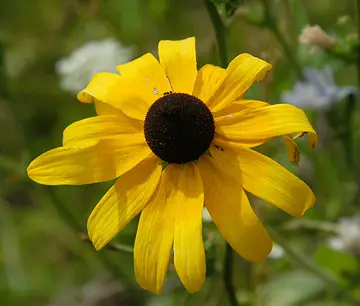
MarylandBlack-eyed SusanAdopted 1918 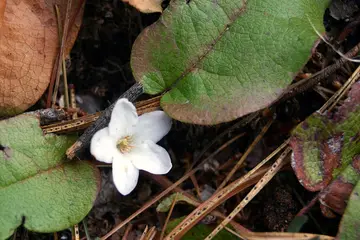
MassachusettsMayflowerAdopted 1918 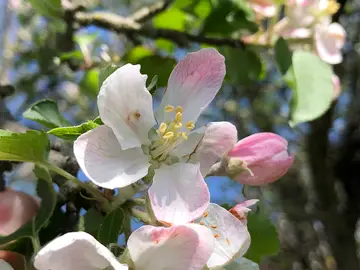
MichiganApple blossomAdopted 1897 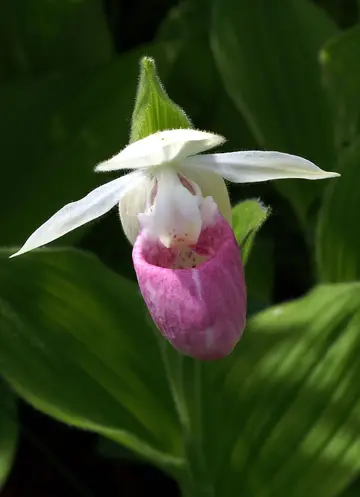
MinnesotaPink and white lady slipperAdopted 1967 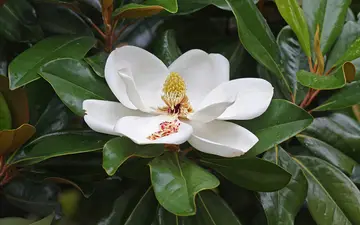
MississippiMagnoliaAdopted 1952 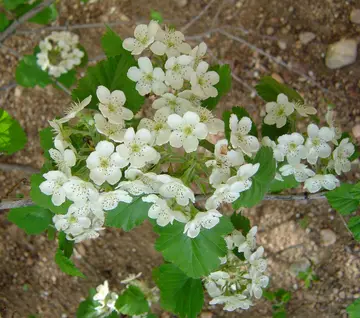
MissouriHawthorn blossomAdopted 1923 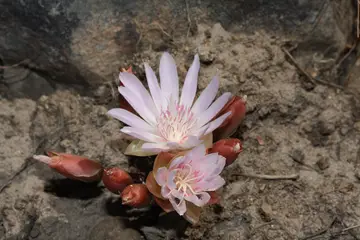
MontanaBitterrootAdopted 1895 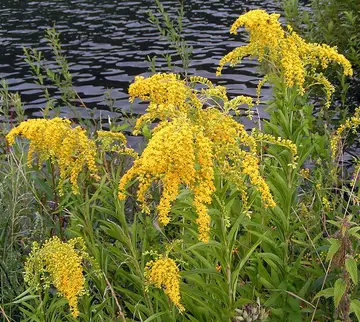
NebraskaGoldenrodAdopted 1895 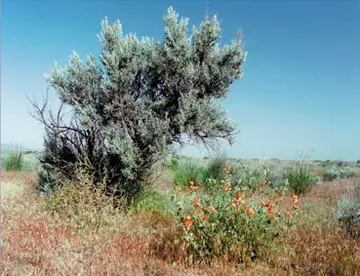
NevadaSagebrushAdopted 1959 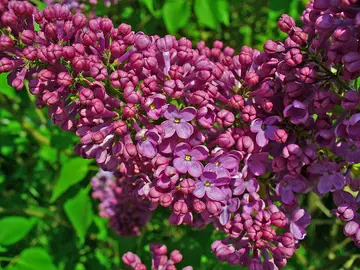
New HampshirePurple lilacAdopted 1919 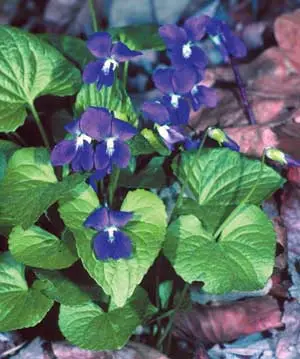
New JerseyCommon meadow violetAdopted 1972 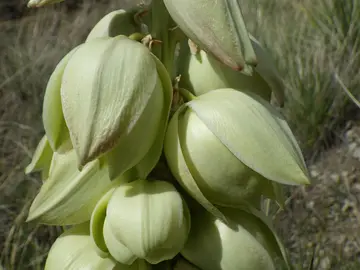
New MexicoYucca flowerAdopted 1927 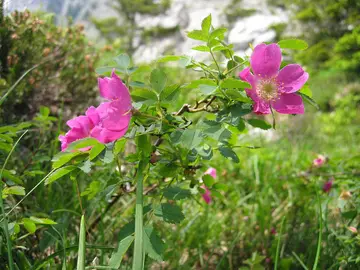
New YorkRoseAdopted 1955 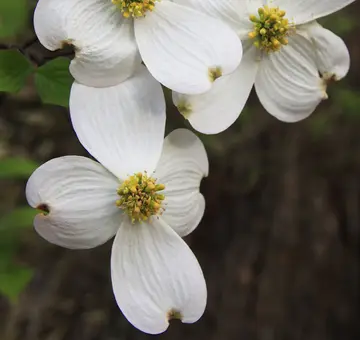
North CarolinaDogwoodAdopted 1941 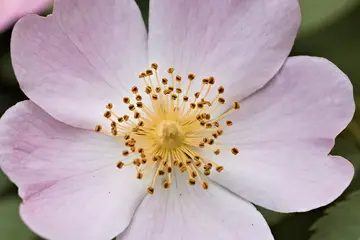
North DakotaWild prairie roseAdopted 1907 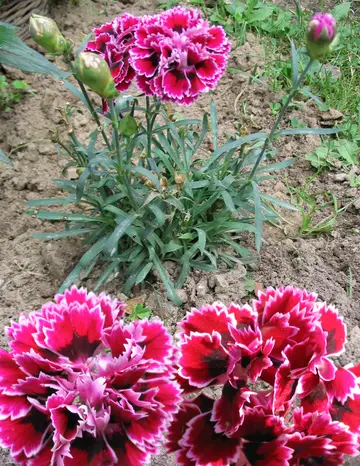
OhioScarlet carnationAdopted 1904 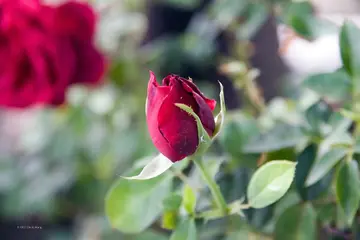
OklahomaOklahoma RoseAdopted 2004 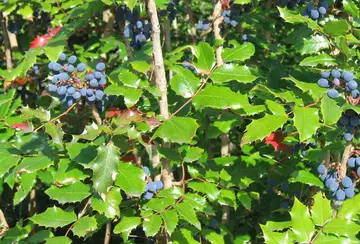
OregonOregon grapeAdopted 1899 -
PennsylvaniaMountain laurelAdopted 1933 -
Rhode IslandVioletAdopted 1968 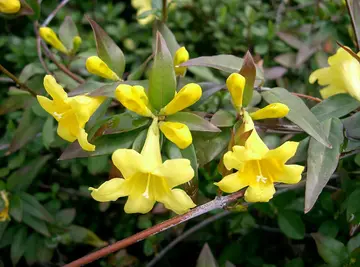
South CarolinaYellow jessamineAdopted 1924 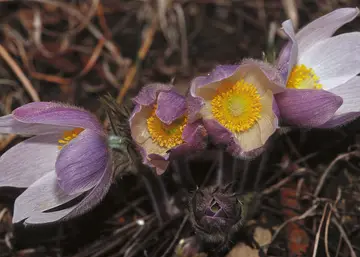
South DakotaAmerican pasque flowerAdopted 1903 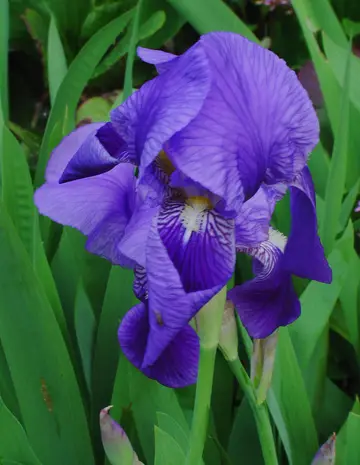
TennesseeIrisAdopted 1973 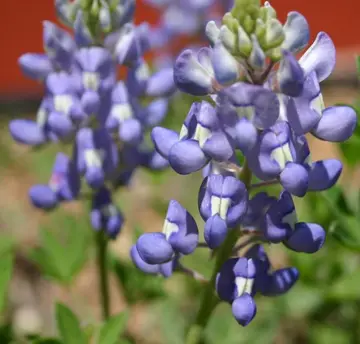
TexasBluebonnetAdopted 1901 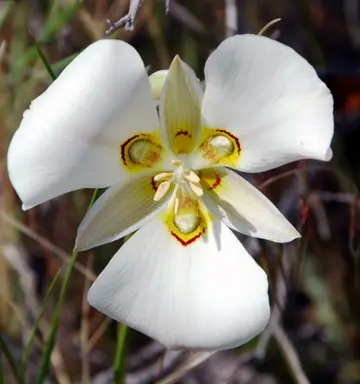
UtahSego lilyAdopted 1911 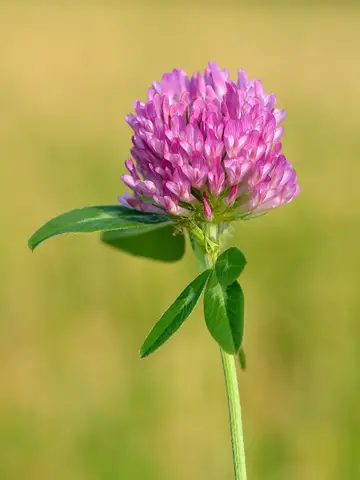
VermontRed cloverAdopted 1894 -
VirginiaAmerican dogwoodAdopted 1918 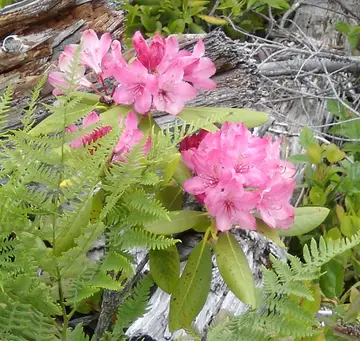
WashingtonCoast rhododendronAdopted 1949 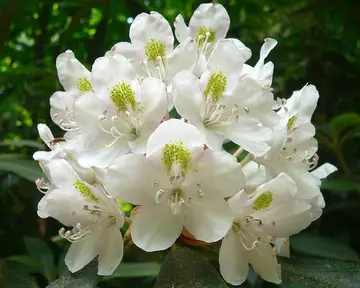
West VirginiaRhododendronAdopted 1903 -
WisconsinWood violetAdopted 1949 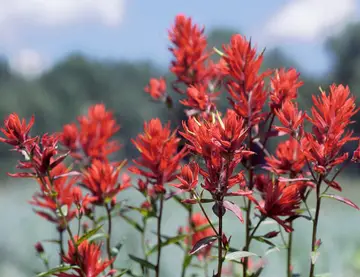
WyomingIndian paintbrushAdopted 1917
State flowers shared by more than one state
| Flower | States | Chosen by |
|---|---|---|
| Common meadow violet | 3 | New Jersey, Rhode Island, Wisconsin |
| Flowering dogwood | 2 | North Carolina, Virginia |
| Mountain laurel | 2 | Connecticut, Pennsylvania |
Older than most symbols
State flowers came early. Nine states adopted one in the 1890s and twelve more in the 1900s, decades before most states thought about a bird, a tree or a fossil. In Washington the reason was the 1893 World’s Columbian Exposition in Chicago: women chose the rhododendron in a statewide ballot in 1892 so the state would have a flower to show there, years before they could vote in elections. Vermont was first in law, naming the red clover in 1894, and Delaware, Maine, Montana and Nebraska followed the next year.
As with birds, schoolchildren often made the choice. In 1900, 23,278 Mississippi children voted, and the magnolia won with 12,745 votes, ahead of the cotton blossom. Illinois children picked the violet over the wild rose and goldenrod in 1907, and Wisconsin’s violet won a final schoolchildren’s vote on Arbor Day 1909. Sometimes the law took a long time to catch up: Mississippi made the magnolia official only in 1952, and Rhode Island, whose children had picked the violet in 1897, did not adopt it until 1968. The state says that made it the last state to name an official flower.
Violets, roses and blossoms
State flowers are more varied than state birds: the 50 states have well over 40 different ones. Roses are the most common. Iowa and North Dakota chose the wild prairie rose, Georgia the Cherokee rose, New York the rose in every color, and Oklahoma one specific cultivated rose. Violets come next, chosen by Illinois, New Jersey, Rhode Island and Wisconsin. Two southern states share the magnolia and two share the dogwood, while Arkansas and Michigan both chose the apple blossom.
Many choices celebrate a crop. Delaware picked the peach blossom in 1895, when its orchards held more than 800,000 peach trees. Arkansas chose the apple blossom in 1901 after a campaigner brought a bushel of polished apples into the state Senate. Florida’s orange blossom came in 1909.
The unexpected ones
Maine’s floral emblem is not a flower at all but the cone and tassel of the white pine, chosen in 1895, half a century before the white pine itself became the state tree. Nevada’s state flower is sagebrush, which also forms the wreath on the state flag. Ohio adopted the scarlet carnation in memory of President William McKinley, who wore one as a lucky charm and handed his lapel carnation to a young admirer moments before he was shot in 1901.
Some states have ended up with two. Tennessee named the iris in 1933 without repealing its 1919 choice of the passion flower, and lived with two state flowers until 1973, when the law made the iris the cultivated flower and the passion flower the wildflower. Minnesota’s first choice, in 1893, was a lady slipper that does not grow wild in the state; a study club pointed out the mistake, and in 1902 the Legislature switched to the pink and white lady slipper.
The newest is the Oklahoma Rose, a dark red hybrid tea bred in 1964. One Oklahoman, Dottie Weissenberger, campaigned for more than 30 years to make it the state flower, and the governor signed the bill in 2004.
Find a flower
Click any flower above for the state’s page, with how to recognize it, where it grows and the story of its adoption. To test yourself, try the state flowers quiz.
Every state flower, with the law behind it
Questions people ask
- Which flower is the state flower of the most states?
- No single flower dominates the way the cardinal does among birds. Roses are the most common choice, in Georgia, Iowa, New York, North Dakota and Oklahoma, followed by violets in Illinois, New Jersey, Rhode Island and Wisconsin.
- Which state has a state flower that is not a flower?
- Maine. Its floral emblem is the cone and tassel of the white pine, chosen in 1895. Nevada's state flower is sagebrush, a shrub.
- Which was the first state flower?
- Vermont's red clover, adopted in 1894. Delaware, Maine, Montana and Nebraska all followed in 1895.
- Is it illegal to pick a state flower?
- Usually not just because it is the state flower, although general laws against picking plants on public land apply. A few states add specific protection. Colorado limits picking its columbine on public land to 25 stems a day, and Minnesota protects its lady slipper by statute.