Bluebonnet, the state flower of Texas
The state flower of Texas is the bluebonnet, adopted on March 7, 1901, as the first official Texas state symbol. The best known, the Texas bluebonnet, is a native annual with spikes of blue, pea-shaped flowers tipped with white, which carpet prairies and roadsides in central Texas in late March and April. Since 1971 the designation has covered every bluebonnet species found in the state.
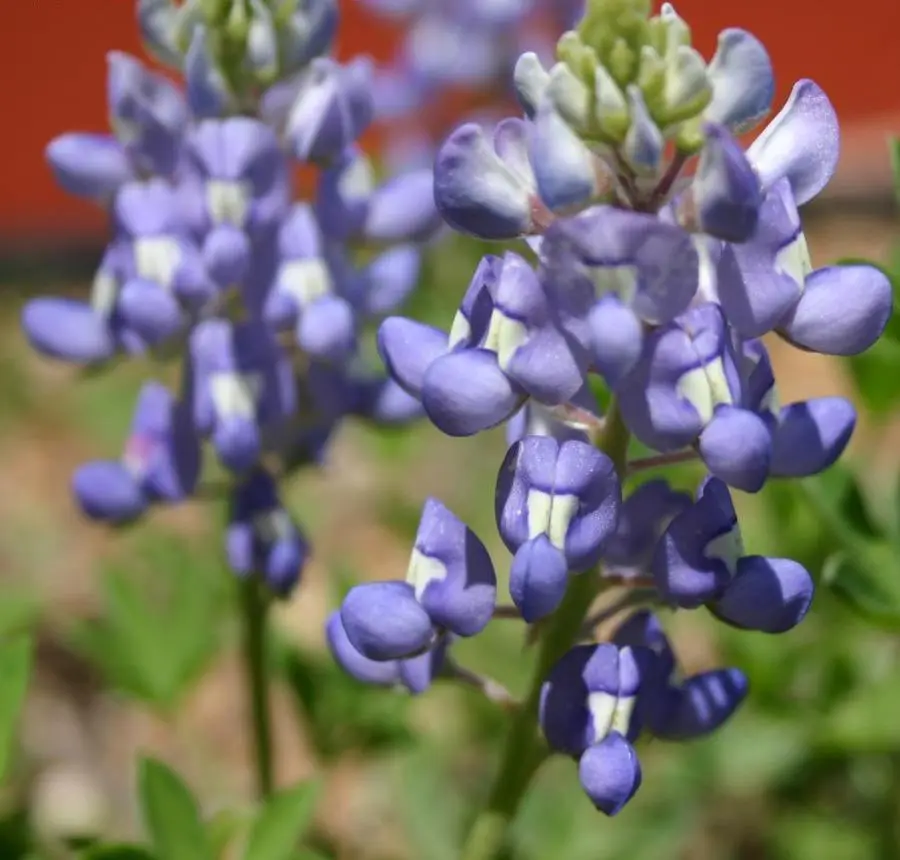
How to recognize it
The Texas bluebonnet is an annual with branching stems, usually 6 to 18 inches tall. Its light green, velvety leaves are divided like fingers, usually into five leaflets. The flowers come in dense spikes of up to about 50 fragrant, blue, pea-shaped blossoms, with a conspicuous white tip at the top of each spike. It blooms in spring, chiefly from late March to early April.
Which bluebonnet?
Texas has more than one bluebonnet, and the law has covered more than one. The 1901 resolution meant Lupinus subcarnosus. In 1971 the Legislature widened the designation to include Lupinus texensis and any other bluebonnet found in Texas, and the Handbook of Texas lists several more species, among them L. havardii.
Where it grows
The Texas bluebonnet is native, found mainly in the Blackland Prairie and the Edwards Plateau; Texas bluebonnets as a group grow mostly on limestone from north-central Texas into Mexico. Beginning in the 1930s, the state Highway Department’s roadside planting spread them along most of the major highways.
Where to see it
Look on prairies, in open fields and along roadsides in central and north-central Texas in late March and April. A 1997 resolution named Ennis the Bluebonnet City of Texas and home of the official Bluebonnet Trail, and the Chappell Hill Bluebonnet Festival the official Bluebonnet Festival of Texas.
Can you pick them?
Many Texans believe it is illegal to pick bluebonnets, but the Texas State Law Library reports that no statute bans it as such. Trespassing on private land and state park rules still apply, so the best way to enjoy them is to look and take pictures.
The first Texas symbol
The 27th Legislature adopted the bluebonnet on March 7, 1901, making it the first official state symbol of Texas, decades before the state bird or the motto. In 1933 the Legislature even adopted an official state flower song, “Bluebonnets.”
Questions about the Texas state flower
- What is the state flower of Texas?
- The bluebonnet. The 1901 law meant Lupinus subcarnosus, and since 1971 the designation covers Lupinus texensis and every other bluebonnet found in Texas.
- When do bluebonnets bloom?
- In spring, chiefly late March to early April, with a range from March to May.
- Is it illegal to pick bluebonnets in Texas?
- Not as such. The Texas State Law Library reports that no statute bans picking bluebonnets, although trespass laws and state park rules still apply.
- Where can I see bluebonnets in Texas?
- On prairies, open fields and roadsides in central and north-central Texas in late March and April. Ennis is the official Bluebonnet City of Texas and home of the official Bluebonnet Trail.
Sources
- Bluebonnet Texas State Historical Association (Handbook of Texas)
- Lupinus texensis Lady Bird Johnson Wildflower Center
- Is picking bluebonnets legal in Texas? Texas State Law Library
- H.C.R. 116 (1997), Bluebonnet City, Trail and Festival Texas Legislature
- Lupinus texensis (Plant ID) U.S. Geological Survey
- Bill History: H.C.R. 116, 75th Legislature (1997) Texas Legislature Online
- Bill Analysis: H.C.R. 116, 75(R) Texas Legislature Online