Nevada
The Silver State
Nevada became the 36th state on October 31, 1864, in the middle of the Civil War, which is why "Battle Born" is written on its flag. Its capital is Carson City, the seat of government since territorial days in 1861, and its largest city is Las Vegas. Nevada is known as the Silver State, after the silver rush that followed the discovery of the Comstock Lode in 1859.
- Capital
- Carson CityCapital since 1861
- Statehood
- October 31, 186436th state
- Population, 2025
- 3,282,18831st of 50
- Area
- 110,572 sq mi7th largest · 286,380 km²
- Largest city
- Las Vegas679,817 people
- Abbreviation
- NVUS Postal Service code
- Motto
- All for Our CountryEnglish
- Borders
- 5 statesLandlocked
Snowy mountains
Nevada is a Spanish word meaning “snow-covered” or “snowy.” The state takes it from the Sierra Nevada, the snow-capped range along its western border with California, named by Spanish explorers. The name was already in use for the western part of Utah Territory before Congress created Nevada Territory on March 2, 1861. It nearly changed at statehood: the 1863 act calling a constitutional convention spoke of a “State of Washoe,” and some delegates pushed for Washoe again in 1864. The convention kept Nevada, after its president, J. Neely Johnson, argued that the terms for admission to the Union were based on the name State of Nevada.
Silver and statehood
The Comstock Lode, discovered in 1859, set off a silver mining boom in the region. Nevada became the 36th state on October 31, 1864, by proclamation of President Abraham Lincoln, in the middle of the Civil War. The state remembers that with the words “Battle Born” on its flag, and silver remains the official state metal and the source of its best-known nickname, the Silver State. The motto on the seal is “All for Our Country.”
Carson City
Carson City has been Nevada’s capital from the start. Abraham Curry, who bought the Eagle Ranch in 1858 and laid out the town, set aside a central plaza for a future capitol, and with the help of the lawyer William M. Stewart he won the territorial capital for Carson City in November 1861. The 1864 constitutional convention kept it as the seat of government, and the sandstone Capitol, with its silver-colored dome, was finished on Curry’s plaza in 1871. The capital page tells the story.
The flag that wasn’t approved
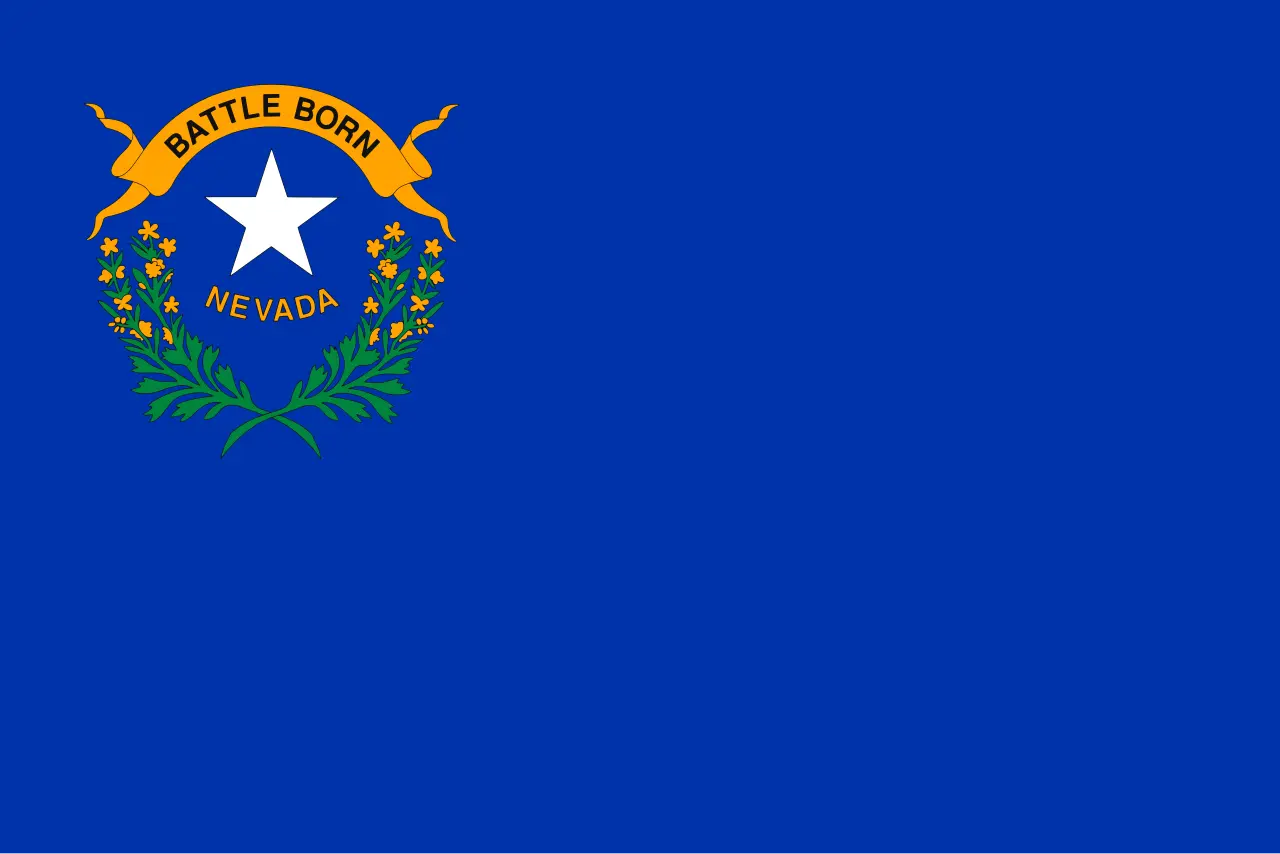
The state flag shows a silver star inside a wreath of sagebrush, under a scroll reading “Battle Born.” It has an odd history: because of a clerical error, the bill lawmakers approved in 1929 showed the wrong design, and for more than 60 years Nevada flew a version that the Legislature had never actually adopted, until it corrected the law in 1991.
Sagebrush and bristlecones
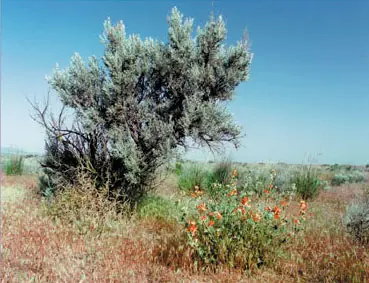
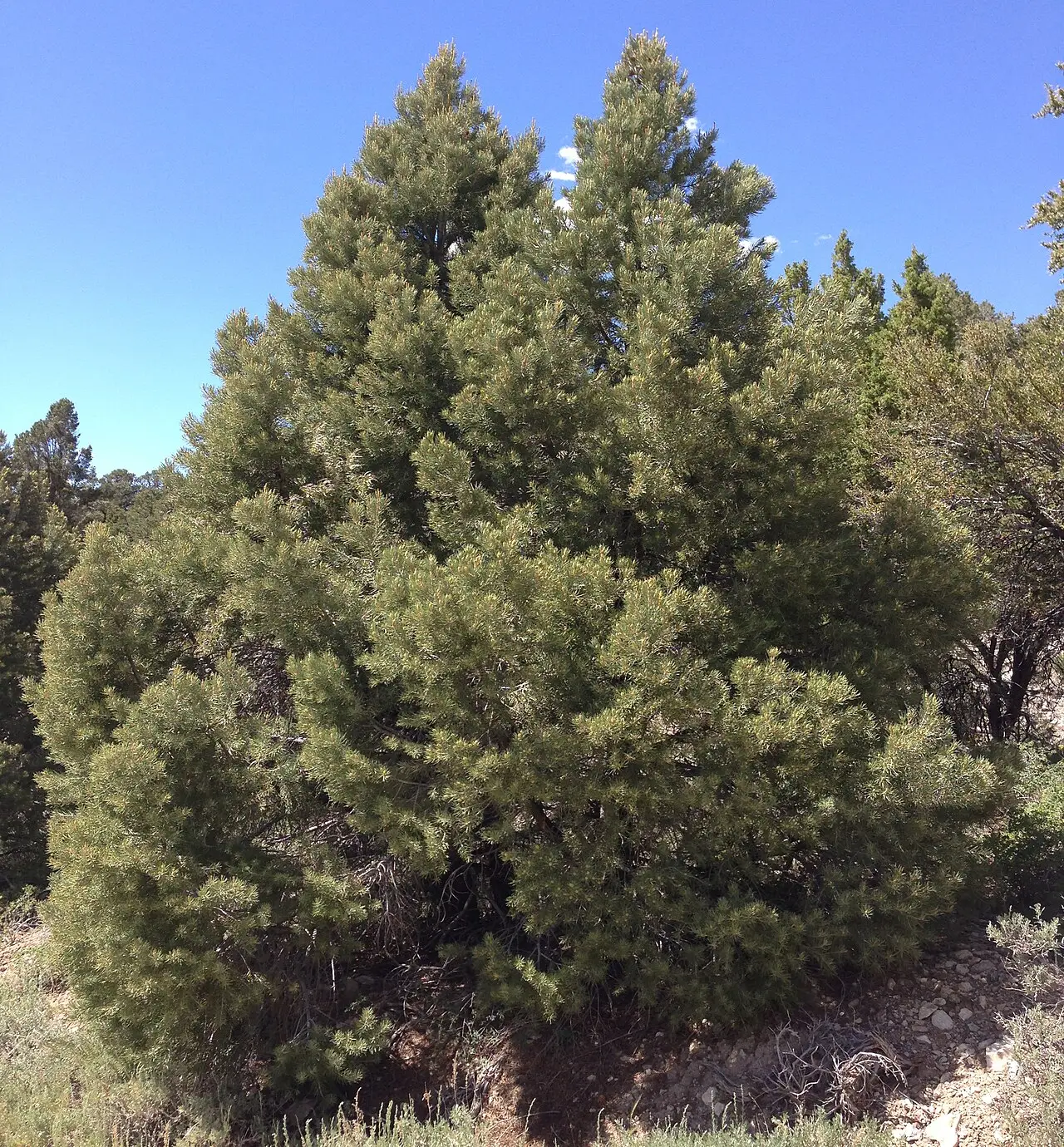
Nevada has 26 official state symbols. The sagebrush, which covers much of the state, is the state flower, and the mountain bluebird is the state bird. Nevada has two state trees: the single-leaf piñon, whose nuts were a staple food for the Native peoples of the Great Basin, and the Great Basin bristlecone pine, among the oldest living things on Earth. The desert bighorn sheep is the state animal, the Lahontan cutthroat trout the state fish and the ichthyosaur Shonisaurus, an extinct marine reptile, the state fossil. The newest symbol is a drink: the Picon Punch, honoring Nevada’s Basque heritage, became the state drink in 2025. See them all on the Nevada symbols page.
Land and people
Nevada covers 110,572 square miles, 7th among the states. It had about 3.28 million residents in 2025, 31st in the country and up nearly 6 percent from 2020. It borders California, Oregon, Idaho, Utah and Arizona. Las Vegas, with about 680,000 people, is the largest city, followed by Henderson, North Las Vegas, Reno and Sparks. Carson City, the capital, has about 59,000.
Nevada state symbols
All 26 official symbols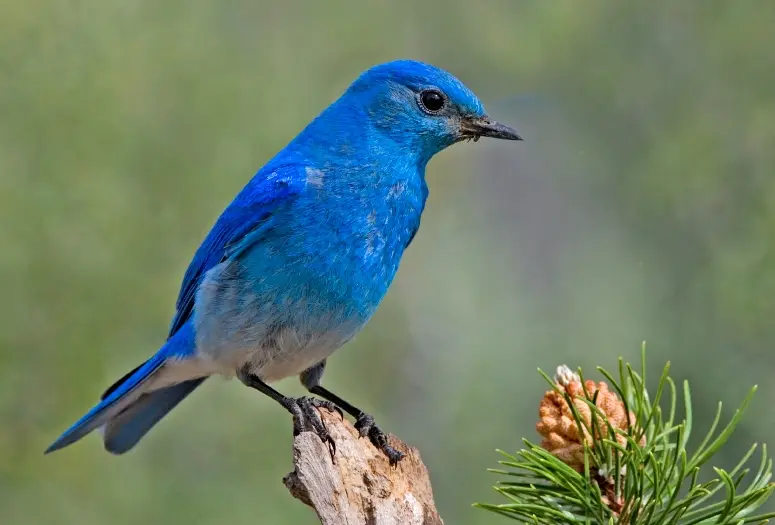
The capital: Carson City
The capital of Nevada is Carson City, the seat of government since 1861, when Nevada was still a territory. Unlike most states, Nevada has never had another capital. The town's founder, Abraham Curry, set aside a plaza for a capitol before there was even a territory, and the sandstone Capitol was finished there in 1871. With about 59,000 people, Carson City is much smaller than Las Vegas or Reno.
- 1861–todayCarson City
Where Nevada is
Nevada shares a border with 5 states: Arizona, California, Idaho, Oregon and Utah.
- Land area
- 109,781 sq mi
- Water area
- 791 sq mi
- Population density
- 29.9 people per sq mi (42nd)
Nevada trivia
- The state tartan's 64 small boxes, arranged eight by eight, stand for 1864, the year Nevada joined the Union.Source: Nevada.Public.Law (reproducing Nevada Legislature, NRS Chapter 235)
- A 2001 bill to make the mustang a second state animal died after Senator Bill Raggio warned the state would end up with a zoo.Source: Travel Nevada / Nevada Magazine (Nevada Division of Tourism)
- The state artifact was inspired by eleven tule duck decoys more than 2,000 years old found in Lovelock Cave in 1924.Source: Travel Nevada / Nevada Magazine (Nevada Division of Tourism)
- The Great Seal carries 36 stars, matching Nevada's place as the 36th state.Source: Nevada.Public.Law (reproducing Nevada Legislature, NRS Chapter 235)
- Schoolchildren from a Carson City Montessori school led the 2019 campaign that made neon the state element.Source: KTNV Channel 13 Las Vegas
- The state locomotive, Nevada Northern Railway Engine No. 40, still runs on its original tracks in Ely more than a century after it was built.Source: Nevada Northern Railway Museum
Questions about Nevada
- What is the capital of Nevada?
- Carson City. It has been the capital since 1861, when Nevada was still a territory, and it has never moved.
- Why is Nevada called the Battle Born State?
- Because it became a state on October 31, 1864, during the Civil War. The words "Battle Born" appear on the state flag.
- Why is Nevada called the Silver State?
- Because of the silver mining boom that followed the discovery of the Comstock Lode in 1859. Silver is also the official state metal. The nickname is widely used but not set in law.
- What does Nevada mean?
- Nevada is Spanish for "snow-covered" or "snowy." The state takes its name from the Sierra Nevada, the snow-capped range on its western border.
- Is Las Vegas the capital of Nevada?
- No. Las Vegas is the largest city, but the capital is Carson City, in the west of the state.
Photo credits (4)
- Flag of Nevada: Caleb Moore, Public domain, via Wikimedia Commons
- Mountain bluebird: Elaine R. Wilson, CC BY-SA 2.5, via Wikimedia Commons
- Sagebrush: Pacific Northwest National Laboratory, Public domain, via Wikimedia Commons
- Single-leaf pinon: Famartin, CC BY-SA 3.0, via Wikimedia Commons
Sources
- Nevada's Historic Capital Visit Carson City (Carson City Culture & Tourism Authority) · statehood
- Carson City historical marker Nevada State Historic Preservation Office · capital
- About Nevada Travel Nevada (Nevada Division of Tourism)
- Nevada Constitution Nevada State Library, Archives and Public Records
- Nevada Revised Statutes, Chapter 235 (state emblems) Nevada.Public.Law (reproducing NRS Chapter 235)
- "Little-known Facts of Our Official State Emblems" Nevada Magazine
- US Census Bureau Vintage 2025 population estimates; 2010 state area measurements