Missouri
The Show-Me State
Missouri became the 24th state on August 10, 1821, after the long fight in Congress settled by the Missouri Compromise. Its capital is Jefferson City, a town founded for the purpose on the Missouri River, and its largest city is Kansas City. Missouri borders eight states, tied with Tennessee for the most, and is popularly known as the Show-Me State.
- Capital
- Jefferson CityCapital since 1826
- Statehood
- August 10, 182124th state
- Population, 2025
- 6,270,54118th of 50
- Area
- 69,707 sq mi21st largest · 180,540 km²
- Largest city
- Kansas City521,220 people
- Abbreviation
- MOUS Postal Service code
- Motto
- Salus populi suprema lex esto“The welfare of the people shall be the supreme law”
- Borders
- 8 statesLandlocked
People of the big canoes
Missouri takes its name from the Missouria people, a Siouan-speaking tribe of the region. The name is popularly said to mean “muddy water,” but the experts read it differently. The Smithsonian’s Bureau of American Ethnology interpreted it as “town of the large canoes,” and other authorities render its root syllables as “wooden canoe people” or “he of the big canoe.”
The Missouri Compromise
Missouri’s road to statehood set off a bitter fight in Congress. Its request to enter the Union as a slave state threatened the balance between slave and free states in Congress. The answer was the Missouri Compromise, approved on March 6, 1820, which admitted Missouri as a slave state and Maine as a free state at the same time, and banned slavery in the rest of the Louisiana Territory north of latitude 36°30′.
Missourians wrote their constitution in 1820 at the Mansion House Hotel in St. Louis, and the first General Assembly met on September 18, 1820, almost a year before Missouri was formally a state. A new dispute held up admission: the constitution required the legislature to bar free Black people from entering the state. Congress agreed to admit Missouri only if its legislature passed a “solemn public act” promising that the clause would not be used to deny the rights of any US citizen. The legislature complied, and President James Monroe proclaimed Missouri the 24th state on August 10, 1821.
A capital in the middle
Rather than choose an established town, Missouri’s founders decided to put the capital on an undeveloped site overlooking the Missouri River in the center of the state. Governor Alexander McNair signed the bill naming the site of the City of Jefferson on December 31, 1821. Until a capitol could be built, lawmakers met in St. Charles, and the government moved to Jefferson City for good on October 1, 1826. Today’s Capitol, finished in 1917 after its predecessor burned, is topped by a bronze statue of Ceres, the Roman goddess of grain. The capital page tells the story.
The Show-Me State
Missouri’s best-known nickname is not official, but it is on the license plates. The usual story credits Congressman Willard Duncan Vandiver, who told an audience in Philadelphia in 1899, “I am from Missouri. You have got to show me.” Another traces it to Missouri miners working in Leadville, Colorado, in the 1890s. The state motto, on the seal since 1822, is Salus populi suprema lex esto, “The welfare of the people shall be the supreme law.”
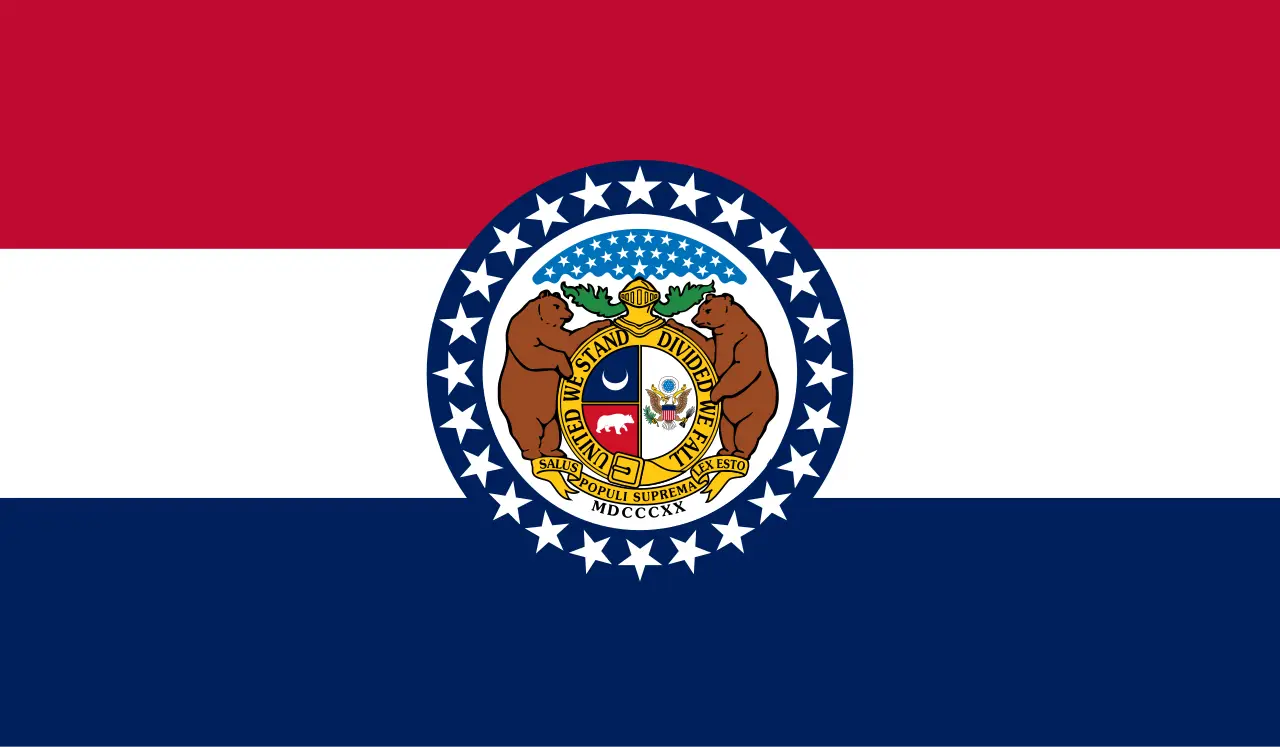
The red, white and blue state flag, adopted in 1913, carries the state’s coat of arms, with its two grizzly bears, inside a ring of 24 stars for the 24th state. The state song is the “Missouri Waltz.”
Bluebirds, hawthorns and mules
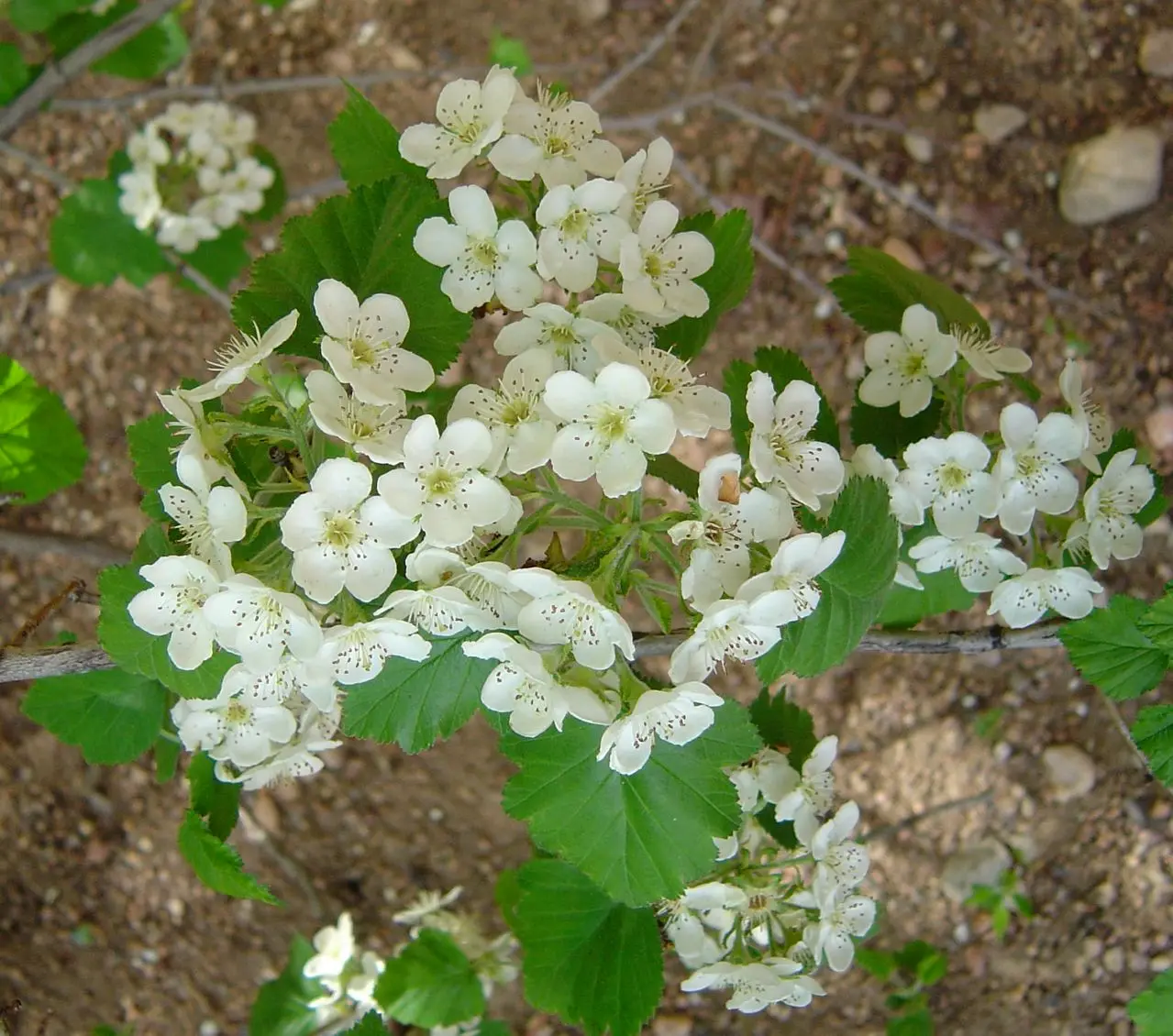
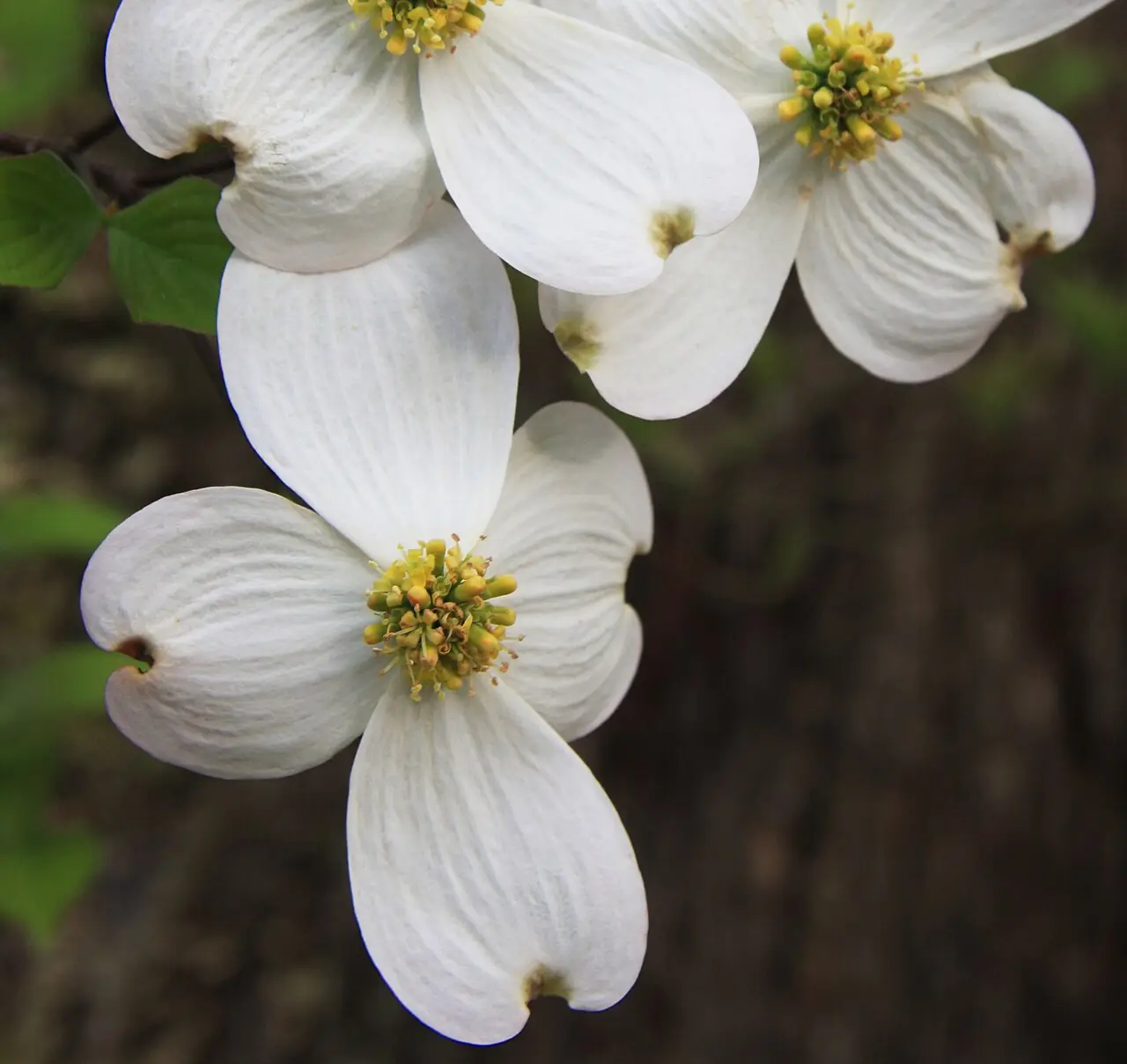
Missouri has 54 official state symbols. The eastern bluebird has been the state bird since 1927 and the hawthorn the state flower since 1923; the flowering dogwood is the state tree. The Missouri mule honors the animals that pulled the state’s wagons and plows, in a state that was long the country’s leading mule producer, and galena, the main ore of lead, recalls the mines that drew many early settlers. Some symbols are pure Missouri: the ice cream cone, sold at the 1904 St. Louis World’s Fair; the Gateway Arch; two famous dogs; and the Hawken rifle, made in St. Louis for western fur traders. Recent laws have named official capitals for barbecue (Kansas City), cowbells (Belle) and even UFOs (Piedmont and Wayne County). See them all on the Missouri symbols page.
Land and people
Missouri covers 69,707 square miles, 21st among the states, and had about 6.27 million residents in 2025, 18th in the country and up from 2020. Its eight neighbors are Arkansas, Illinois, Iowa, Kansas, Kentucky, Nebraska, Oklahoma and Tennessee. Kansas City, with about 521,000 people, is the largest city, followed by St. Louis, Springfield, Columbia and Independence. Jefferson City, the capital, has about 42,000.
Missouri state symbols
All 54 official symbols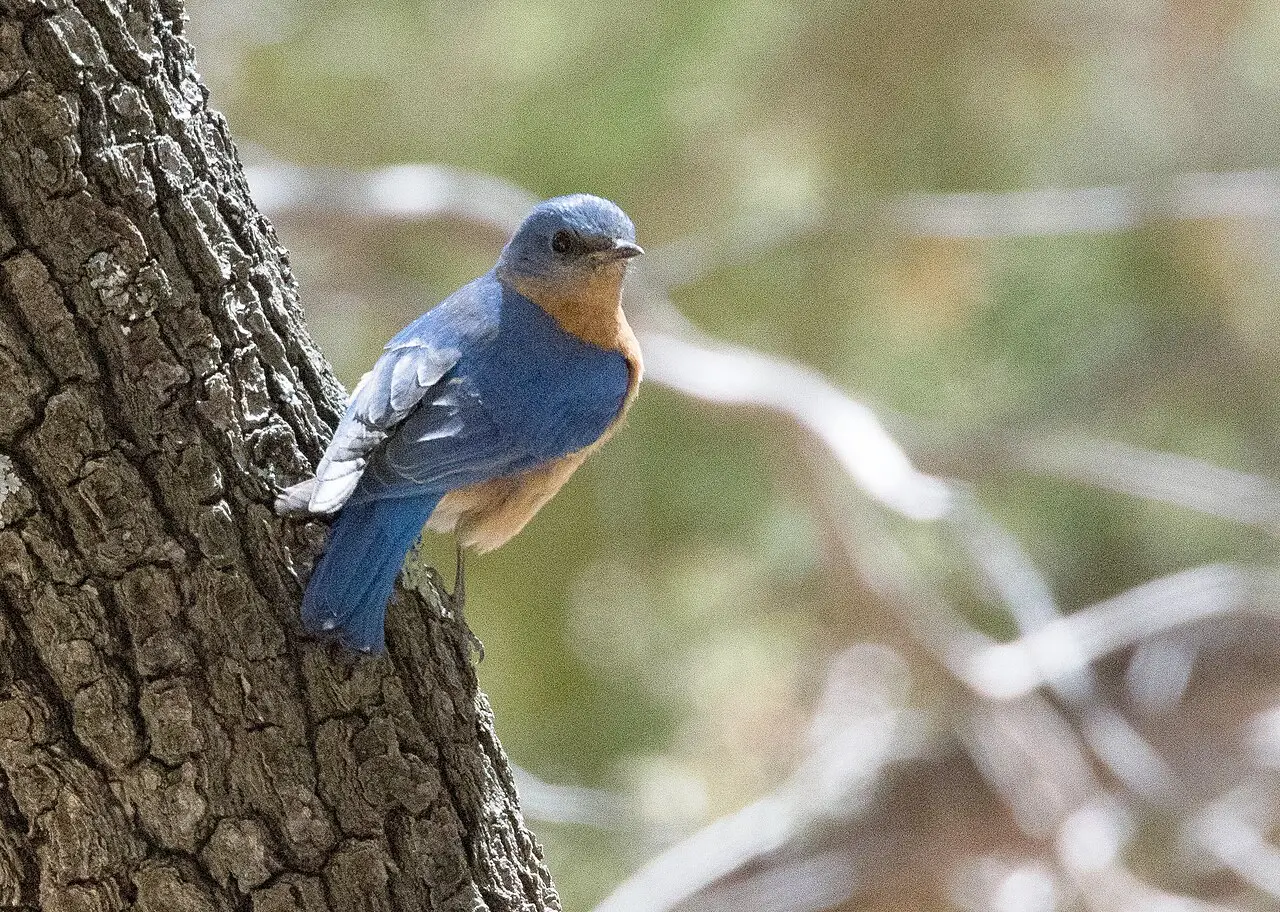
The capital: Jefferson City
The capital of Missouri is Jefferson City, the seat of government since October 1, 1826. Instead of picking an existing town, the state's founders chose an undeveloped site overlooking the Missouri River in the center of the state, and lawmakers met in St. Charles until it was ready. Jefferson City has about 42,000 people, far fewer than Kansas City or St. Louis.
- 1821–1826St. Charles
- 1826–todayJefferson City
Where Missouri is
Missouri shares a border with 8 states: Arkansas, Iowa, Illinois, Kansas, Kentucky, Nebraska, Oklahoma and Tennessee.
- Land area
- 68,742 sq mi
- Water area
- 965 sq mi
- Population density
- 91.2 people per sq mi (28th)
Missouri trivia
- When lightning set the capitol ablaze in 1911, a special train rushed Sedalia's fire engine 65 miles to Jefferson City in 74 minutes.Source: Missouri State Capitol Commission
- Schoolchildren's pennies helped pay to restore Marie Oliver's original hand-painted silk flag in the late 1980s.Source: Missouri Secretary of State
- Jumping jacks became the state exercise at the suggestion of students at Pershing Elementary School in St. Joseph.Source: Missouri Secretary of State
- Missouri has only one known dinosaur fossil site, and most of the first bones from it were sold to the Smithsonian in 1943 for $50.Source: Missouri Secretary of State
- State law makes the St. Louis Battlehawks the official pro football team only if the Kansas City Chiefs ever leave Missouri.Source: Missouri Revisor of Statutes
- Thomas Hart Benton's capitol mural of everyday Missouri life stirred controversy and survived attempts to paint over it; it is now a highlight of tours.Source: Missouri State Parks (Department of Natural Resources)
Questions about Missouri
- What is the capital of Missouri?
- Jefferson City, the seat of government since October 1, 1826. St. Louis hosted the first General Assembly in 1820, before statehood, but was never formally the state capital.
- Why is Missouri called the Show-Me State?
- The nickname is popularly traced to Congressman Willard Duncan Vandiver, who said in an 1899 speech in Philadelphia, "I am from Missouri. You have got to show me." It is not official, but it appears on Missouri license plates.
- What does the name Missouri mean?
- It comes from the Missouria people, a Siouan-speaking tribe. It is often said to mean "muddy water," but scholars have rendered it as "town of the large canoes," "wooden canoe people" or "he of the big canoe."
- How many states border Missouri?
- Eight. Arkansas, Illinois, Iowa, Kansas, Kentucky, Nebraska, Oklahoma and Tennessee. Only Tennessee also has eight neighbors.
- What is the state motto of Missouri?
- '"Salus populi suprema lex esto," Latin for "The welfare of the people shall be the supreme law." It has been on the state seal since 1822.'
Photo credits (4)
- Flag of Missouri: Marie Watkins Oliver, Public domain, via Wikimedia Commons
- Eastern bluebird: Bettina Arrigoni, CC BY 2.0, via Wikimedia Commons
- Hawthorn blossom: Nadiatalent, Public domain, via Wikimedia Commons
- Flowering dogwood: Dcrjsr, CC BY 3.0, via Wikimedia Commons
Sources
- Timeline of Missouri History: 1821-1860 Missouri State Archives (Secretary of State) · statehood
- Timeline of Missouri History Missouri State Archives (Secretary of State) · capital
- Missouri History, Origin of Missouri Missouri State Archives (Secretary of State)
- Missouri Compromise (1820) US National Archives
- Missouri's "Show-Me" slogan Missouri State Archives (Secretary of State)
- Missouri State Symbols Missouri Secretary of State
- US Census Bureau Vintage 2025 population estimates; 2010 state area measurements