Nebraska
The Cornhusker State
Nebraska became the 37th state on March 1, 1867, the only state ever admitted to the Union over a president's veto. Its capital is Lincoln, a village renamed and made the seat of government in 1868, and its largest city is Omaha, the territorial capital. Nebraska is officially the Cornhusker State, and its motto is "Equality Before the Law."
- Capital
- LincolnCapital since 1868
- Statehood
- March 1, 186737th state
- Population, 2025
- 2,018,00638th of 50
- Area
- 77,348 sq mi16th largest · 200,330 km²
- Largest city
- Omaha488,797 people
- Abbreviation
- NEUS Postal Service code
- Motto
- Equality Before the LawEnglish
- Borders
- 6 statesLandlocked
Flat water
Nebraska is named for the Platte River. The Omaha and Otoe peoples called it by words meaning “flat water,” because the river is wide and shallow: a 1925 University of Nebraska study gives the Omaha form as Nibthaska, from ni, water, and bthaska, flat, and the Otoe form as Nibrathka. The Platte itself is now an official state symbol. Too shallow for boats, it runs about 310 miles east from the city of North Platte to the Missouri, and its valley carried the Oregon, Mormon and California trails, the Pony Express, the Union Pacific Railroad and today Interstate 80.
Statehood over a veto
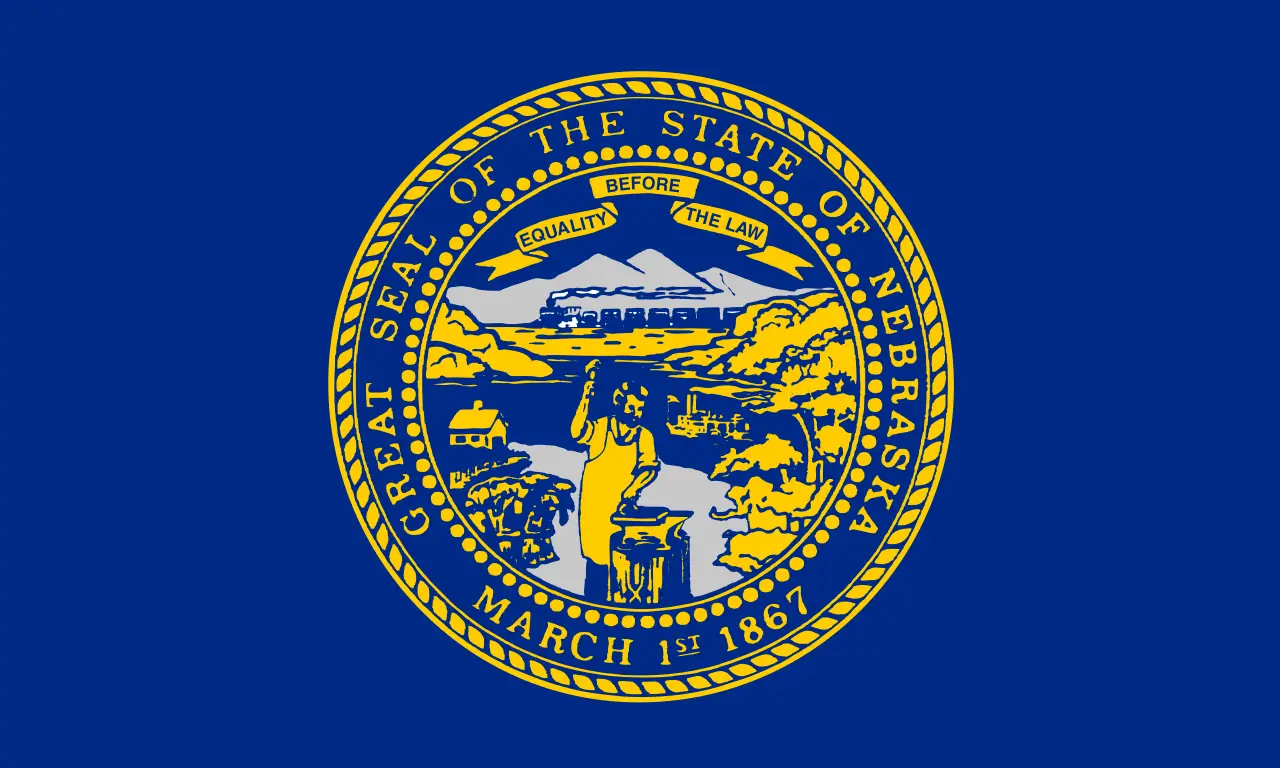
Nebraska Territory was organized in 1854, and its first legislature met in Omaha in January 1855. In 1866 Congress passed a bill to admit Nebraska as a state, but President Andrew Johnson vetoed it. In February 1867 Congress overrode the veto, and Nebraska entered the Union as the 37th state on March 1, 1867. It is the only state ever admitted over a presidential veto, and the date is still written on the rim of the Great Seal.
Equality before the law
The young state chose its motto almost at once. In June 1867 Governor David Butler signed the law creating the Great Seal, with the motto “Equality Before the Law” across the top. The next day, in its first vote on a constitutional amendment as a state, Nebraska ratified the Fourteenth Amendment, which guarantees all citizens the equal protection of the laws.
A new capital on the prairie
Omaha had been the capital since territorial days, but its choice had been bitterly disputed, and lawmakers wanted a capital that was easier to reach from the whole state rather than one on its eastern edge. An act of June 14, 1867, told the governor, the secretary of state and the auditor to choose a site. They settled on the small village of Lancaster, south of the Platte River, renamed it Lincoln, and planned it as the home of the state university, penitentiary and hospital as well. The government moved there in December 1868. Lincoln’s Capitol, finished in 1932, broke with the domed tradition: it is a 400-foot tower topped by a bronze sower. The capital page tells the story.
Cornhuskers and tree planters
Nebraska’s official nickname has changed once. From 1895 it was the Tree Planters’ State, honoring settlers’ windbreaks and orchards and J. Sterling Morton, who founded Arbor Day in 1872. In 1945 the Legislature replaced it with the Cornhusker State, after the University of Nebraska’s teams, named for the work of husking corn by hand.
The state flag is the Great Seal in gold and silver on a blue field. The seal shows a steamboat on the Missouri, a blacksmith, a settler’s cabin with wheat and corn, and a train heading west toward the Rocky Mountains.
Meadowlarks, goldenrod and mammoths
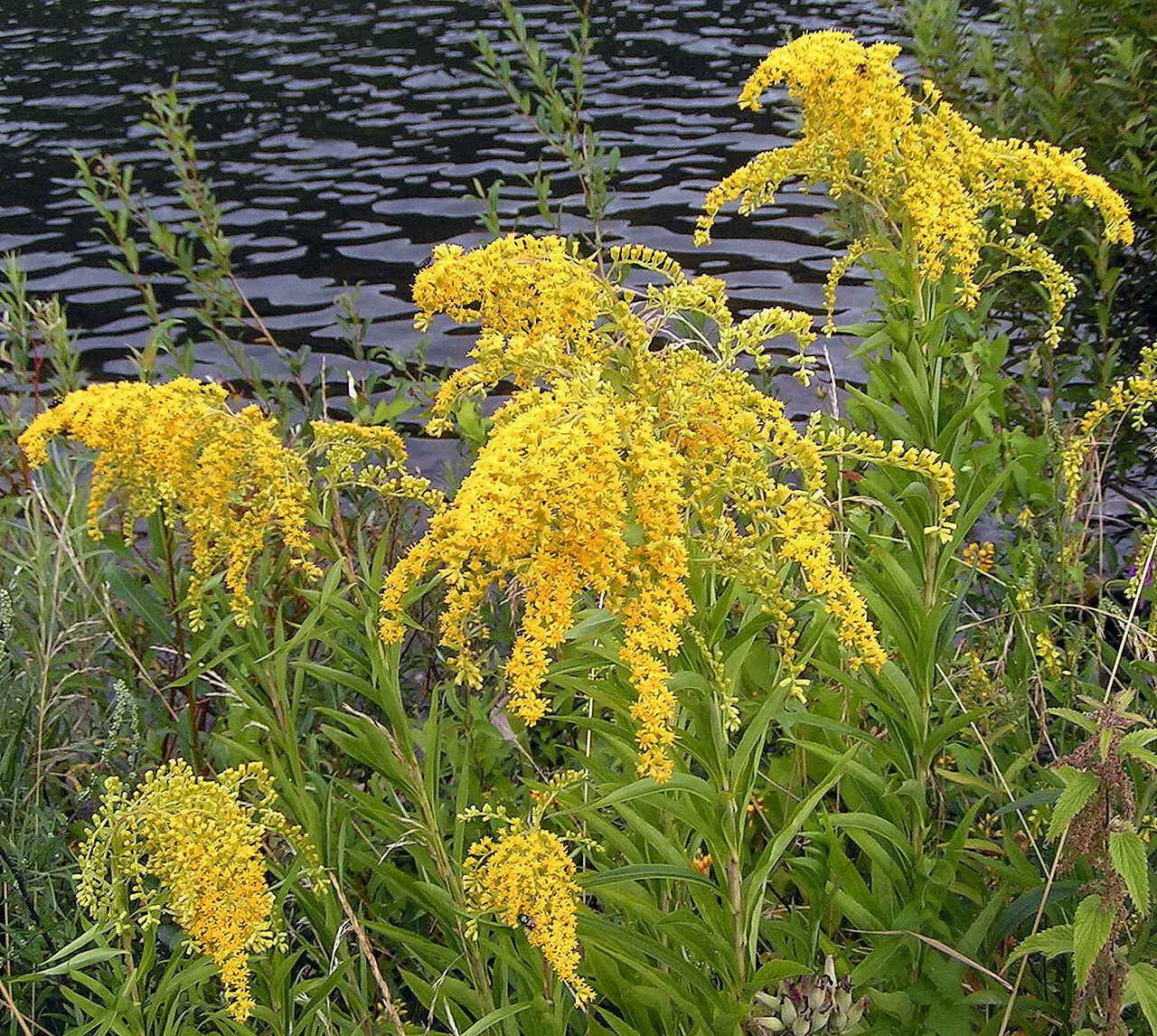
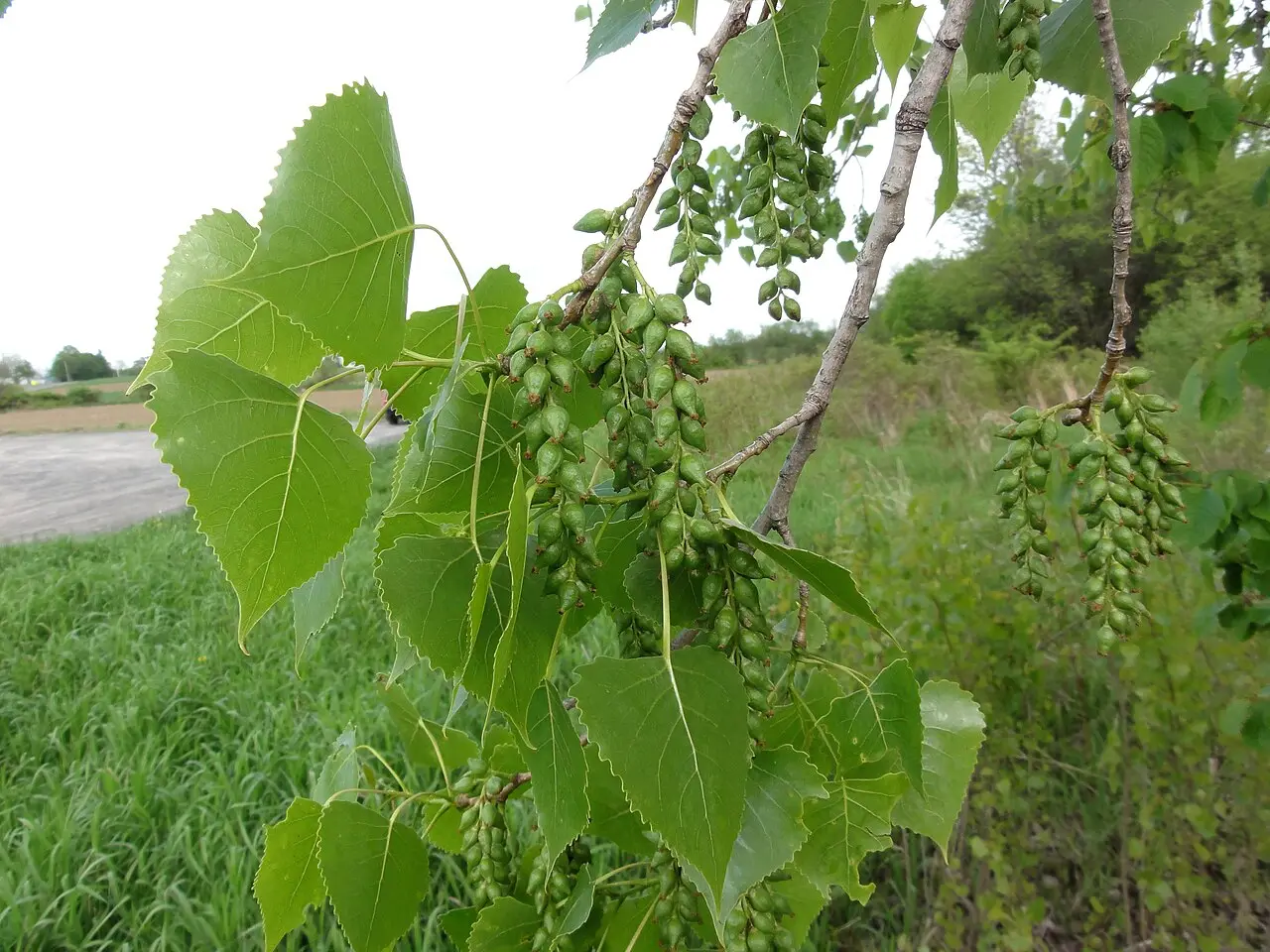
Nebraska has 28 official state symbols. The goldenrod became the state flower in 1895 and the western meadowlark the state bird in 1929. The cottonwood, which settlers often carried as shoots to plant on their claims, replaced the American elm as state tree in 1972. The state fossil is the mammoth, whose remains have turned up in most of Nebraska’s counties. Since a 1997 law allowed the governor to designate symbols, Nebraska has added honors for the square dance, milk, the channel catfish, two baseball capitals and the Platte River. The state song is “Beautiful Nebraska.” See them all on the Nebraska symbols page.
Land and people
Nebraska covers 77,348 square miles, 16th among the states, and had about 2.02 million residents in 2025, 38th in the country and up from 2020. It borders six states: South Dakota to the north, Iowa and Missouri to the east, Kansas to the south, and Colorado and Wyoming to the west. Omaha, with about 489,000 people, is the largest city, followed by Lincoln with about 302,000, Bellevue, Grand Island and Kearney.
Nebraska state symbols
All 28 official symbols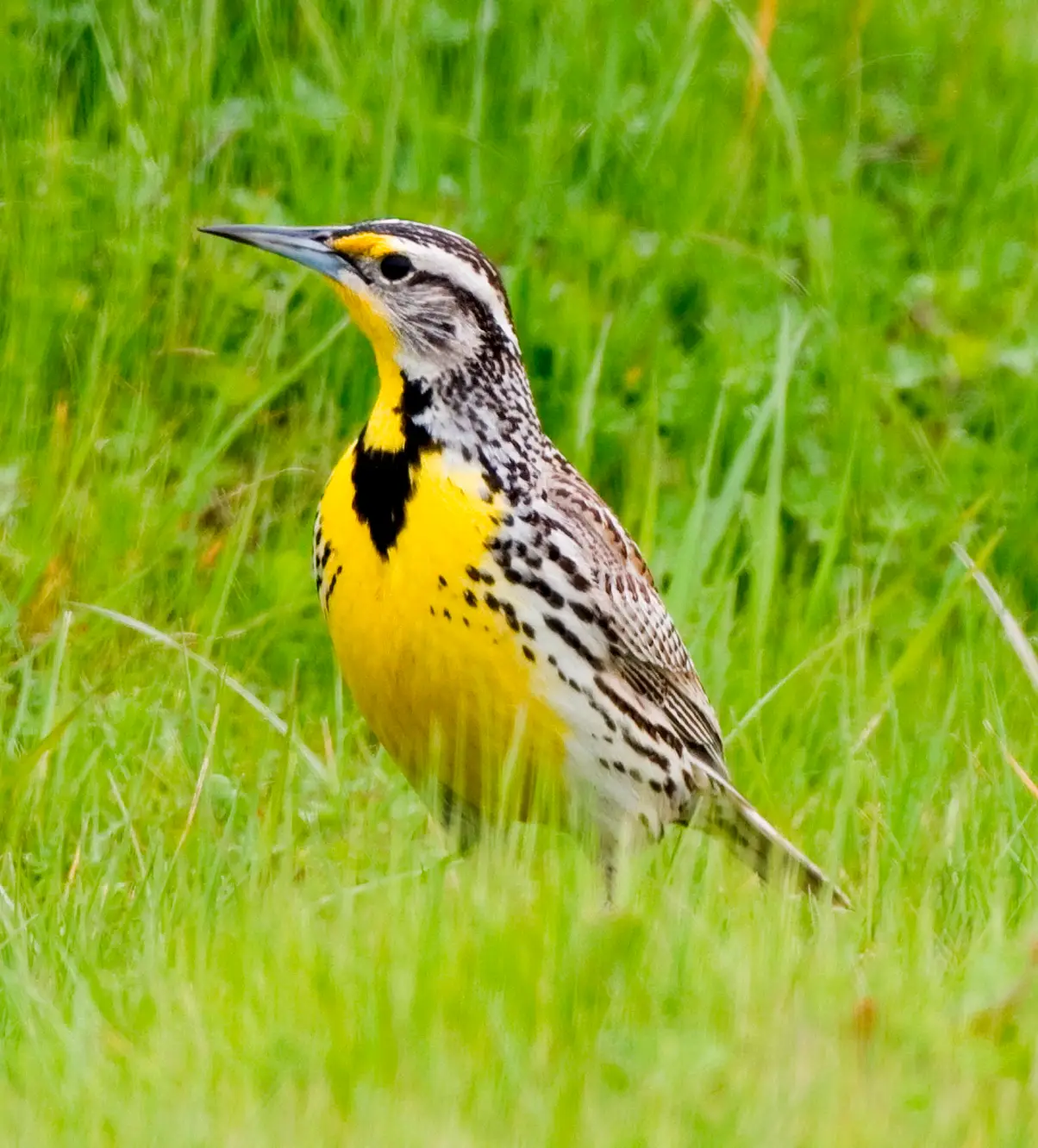
The capital: Lincoln
The capital of Nebraska is Lincoln, the seat of government since December 1868. The new state moved its capital away from Omaha, on its eastern edge, to the small village of Lancaster, which was renamed Lincoln. Its Capitol, finished in 1932, was the first statehouse to break from the domed model of the US Capitol, with a 400-foot tower instead.
- 1855–1868Omaha
- 1868–todayLincoln
Where Nebraska is
Nebraska shares a border with 6 states: Colorado, Iowa, Kansas, Missouri, South Dakota and Wyoming.
- Land area
- 76,824 sq mi
- Water area
- 524 sq mi
- Population density
- 26.3 people per sq mi (43rd)
Nebraska trivia
- Nebraska's legislature has had a single chamber since 1937, so one of the two chambers built into the new capitol (the smaller East Chamber) was left without a lawmaking body.Source: Office of the Capitol Commission, State of Nebraska
- The cast-iron lion's-head press bought in 1867 to stamp the Great Seal was used for 138 years before it was retired in 2005.Source: Nebraska Secretary of State
- Kool-Aid, the state soft drink, was invented in Hastings in 1927 by Edwin E. Perkins.Source: Clerk of the Nebraska Legislature
- Before 1925 there was confusion over the state flag: the 1915 Blue Book described the seal on a yellow field, and the official blue flag was first flown on January 1, 1926.Source: History Nebraska
- Nebraska's state rock, the prairie agate, did not form in Nebraska; it came from Wyoming and South Dakota rocks and was carried into the state by streams.Source: Clerk of the Nebraska Legislature
- Nebraska's 2006 state quarter shows Chimney Rock; a state committee looked at about 6,500 designs submitted by the public.Source: Nebraska Secretary of State
Questions about Nebraska
- What is the capital of Nebraska?
- Lincoln. The government moved there from Omaha in December 1868.
- Why is Nebraska called the Cornhusker State?
- The nickname comes from the University of Nebraska's teams, the Cornhuskers, named for the job of husking corn by hand before husking machines existed. The Legislature made it the official state name in 1945.
- What does Nebraska mean?
- It comes from the Omaha and Otoe names for the Platte River, which meant "flat water," because the river is wide and shallow.
- Why was Nebraska admitted over a veto?
- President Andrew Johnson vetoed the statehood bill, and Congress overrode him in February 1867. Nebraska is the only state admitted that way.
- What was Nebraska's old nickname?
- The Tree Planters' State, official from 1895 to 1945. It honored settlers' tree planting and J. Sterling Morton's founding of Arbor Day in 1872.
Photo credits (5)
- Flag of Nebraska: Liamgabby79, Public domain, via Wikimedia Commons
- Western meadowlark: Kevin Cole from Pacific Coast, USA (en:User:Kevinlcole), CC BY 2.0, via Wikimedia Commons
- Goldenrod: Unknown author, CC BY-SA 3.0, via Wikimedia Commons
- Cottonwood: R. A. Nonenmacher, CC BY-SA 4.0, via Wikimedia Commons
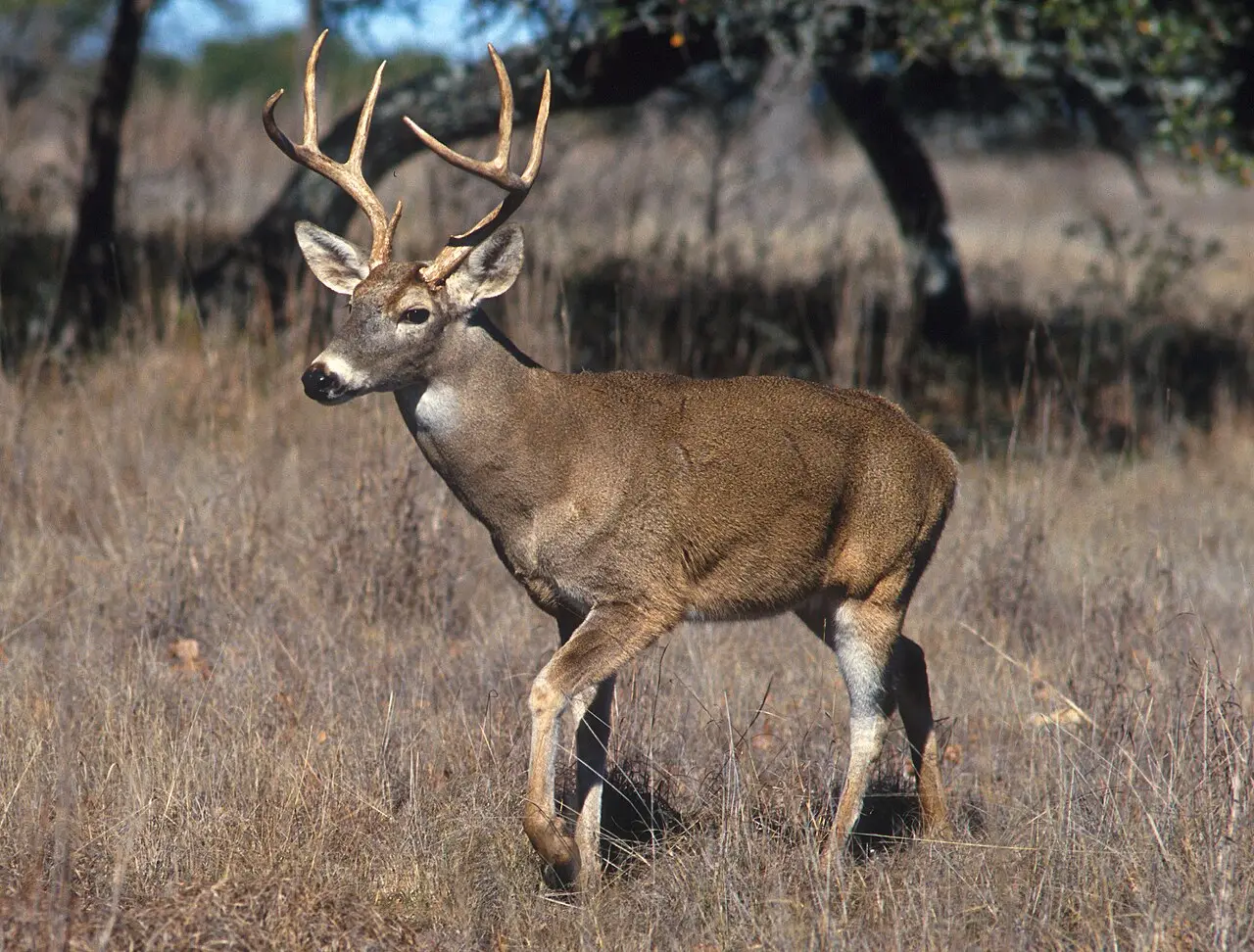
- White-tailed deer: USDA photo by Scott Bauer, Public domain, via Wikimedia Commons
Sources
- Nebraska Timeline United States Senate · statehood
- History of Nebraska's Capitols Office of the Capitol Commission, State of Nebraska · capital
- Location Office of the Capitol Commission, State of Nebraska · capital
- How "Equality Before the Law" Became Our State Motto History Nebraska
- Nebraska Revised Statutes, Chapter 90 (state emblems) Nebraska Legislature
- Nebraska Blue Book 2012, state symbols Nebraska Legislature
- US Census Bureau Vintage 2025 population estimates; 2010 state area measurements