Oklahoma
The Sooner State
Oklahoma became the 46th state on November 16, 1907, when Oklahoma Territory and Indian Territory were joined into a single state. Its capital, Oklahoma City, took the title from Guthrie in 1910 and is also the largest city. Oklahoma's name comes from Choctaw words meaning "red people," and it is known everywhere as the Sooner State, although that nickname has never been made official.
- Capital
- Oklahoma CityCapital since 1910
- Statehood
- November 16, 190746th state
- Population, 2025
- 4,123,28828th of 50
- Area
- 69,899 sq mi20th largest · 181,037 km²
- Largest city
- Oklahoma City719,849 people
- Abbreviation
- OKUS Postal Service code
- Motto
- Labor omnia vincit“Labor conquers all things”
- Borders
- 6 statesLandlocked
Red people
Oklahoma’s name is Choctaw. It comes from two words, okla, meaning people, and humma, meaning red, so it amounts to “red people” or “land of the red people.” The Choctaw delegate Rev. Allen Wright put the name forward, spelled Oklahumma, after the Civil War, when representatives of the Five Tribes were negotiating with federal officials, proposing it for a territory covering their lands. The name was later given to Oklahoma Territory and then to the state.
Land runs and Sooners
Oklahoma’s nickname comes from its land runs. “Sooners” were settlers who slipped into the Unassigned Lands before the official start of the Land Run of April 22, 1889, in violation of the so-called sooner clause of the Indian Appropriation Act. The label was an insult at first, but after the University of Oklahoma adopted it for its football team in 1908 it turned into a point of pride, and by the 1920s Oklahomans had embraced it. It has never been made official by law.
Two territories, one state
By the early 1900s there were two territories: Oklahoma Territory, organized in 1890 with its capital at Guthrie, and Indian Territory, the lands of the Five Tribes and others. The Oklahoma Enabling Act, signed by President Theodore Roosevelt on June 16, 1906, joined them, and Oklahoma entered the Union as the 46th state on November 16, 1907. The Great Seal records the union: a large star holds the old territorial seal, with the emblems of the Chickasaw, Cherokee, Choctaw, Creek and Seminole nations on its five rays. The motto at its center is Labor omnia vincit, “Labor conquers all things.”
The capital fight
Guthrie stayed the capital at statehood, and the Enabling Act said it should remain there for some years. But Oklahoma City had long been its rival, and in June 1910 voters chose Oklahoma City in a statewide election. Governor Charles N. Haskell had the state seal taken there at once. The fight went to court and all the way to the US Supreme Court, which in 1911 struck down the Enabling Act’s clause tying the capital to Guthrie. The capital page tells the story, including the Capitol that waited 85 years for its dome.
A flag of peace
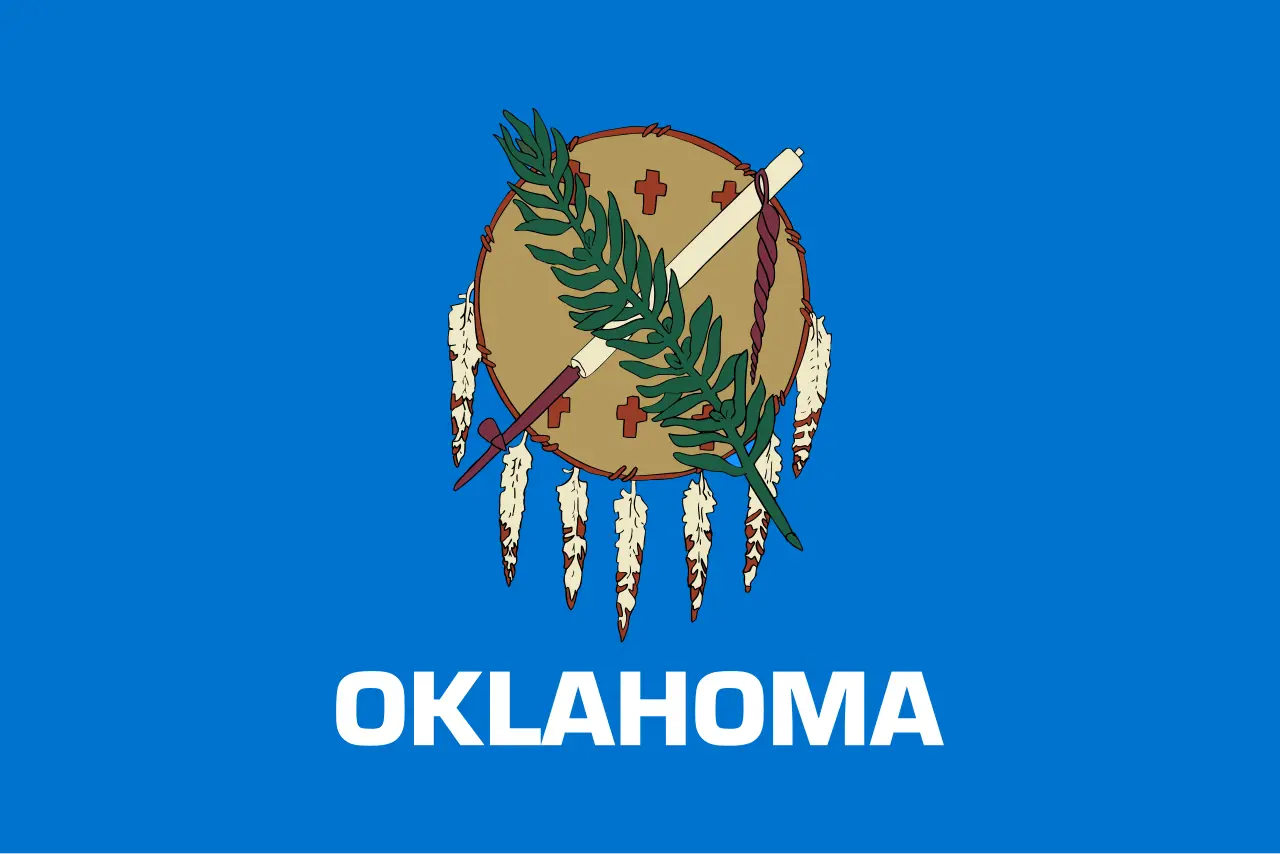
The state flag, adopted in 1925, shows an Osage warrior’s buckskin shield on a blue field, crossed by a peace pipe and an olive branch. It replaced a red flag with a white star and the number 46, which was seldom flown and became a liability during the Red Scare after World War I.
Mistletoe, scissortails and a state meal
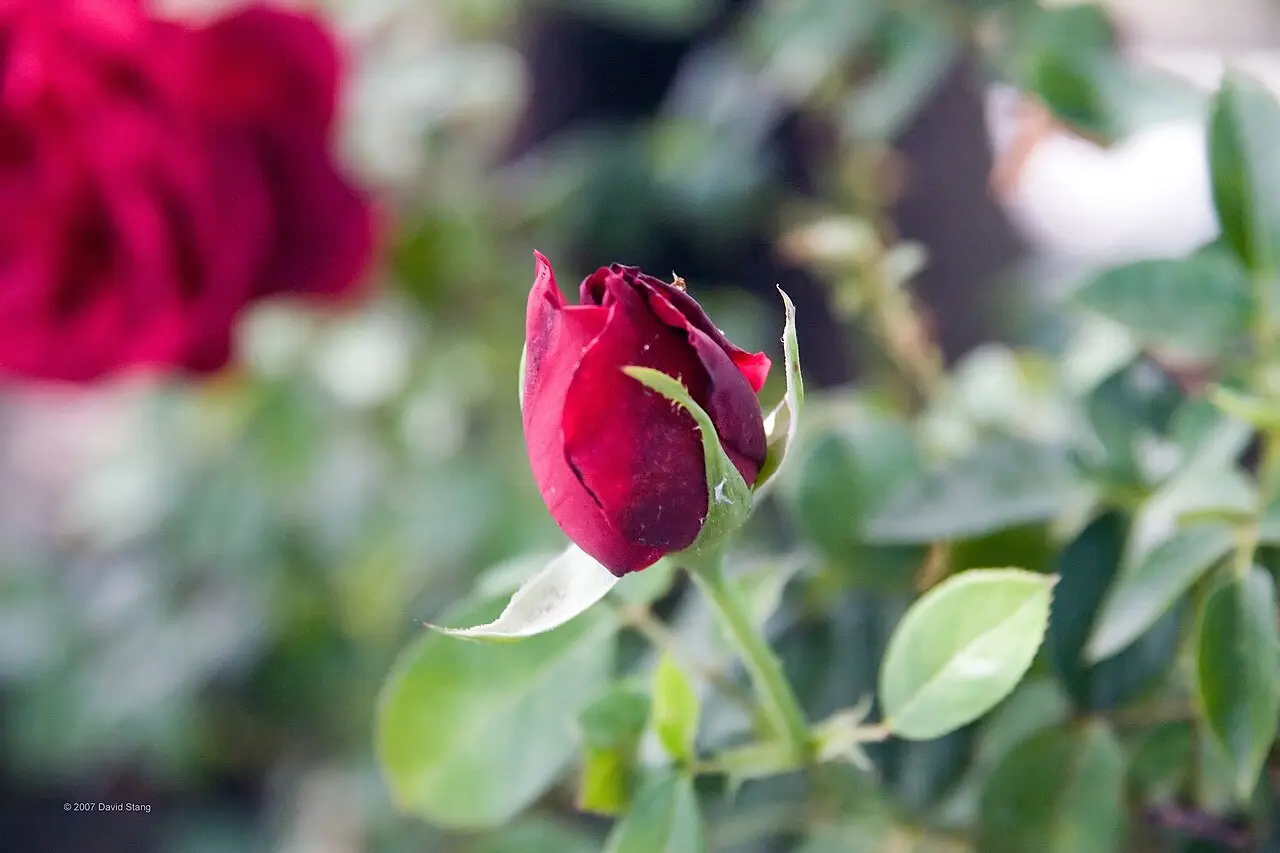
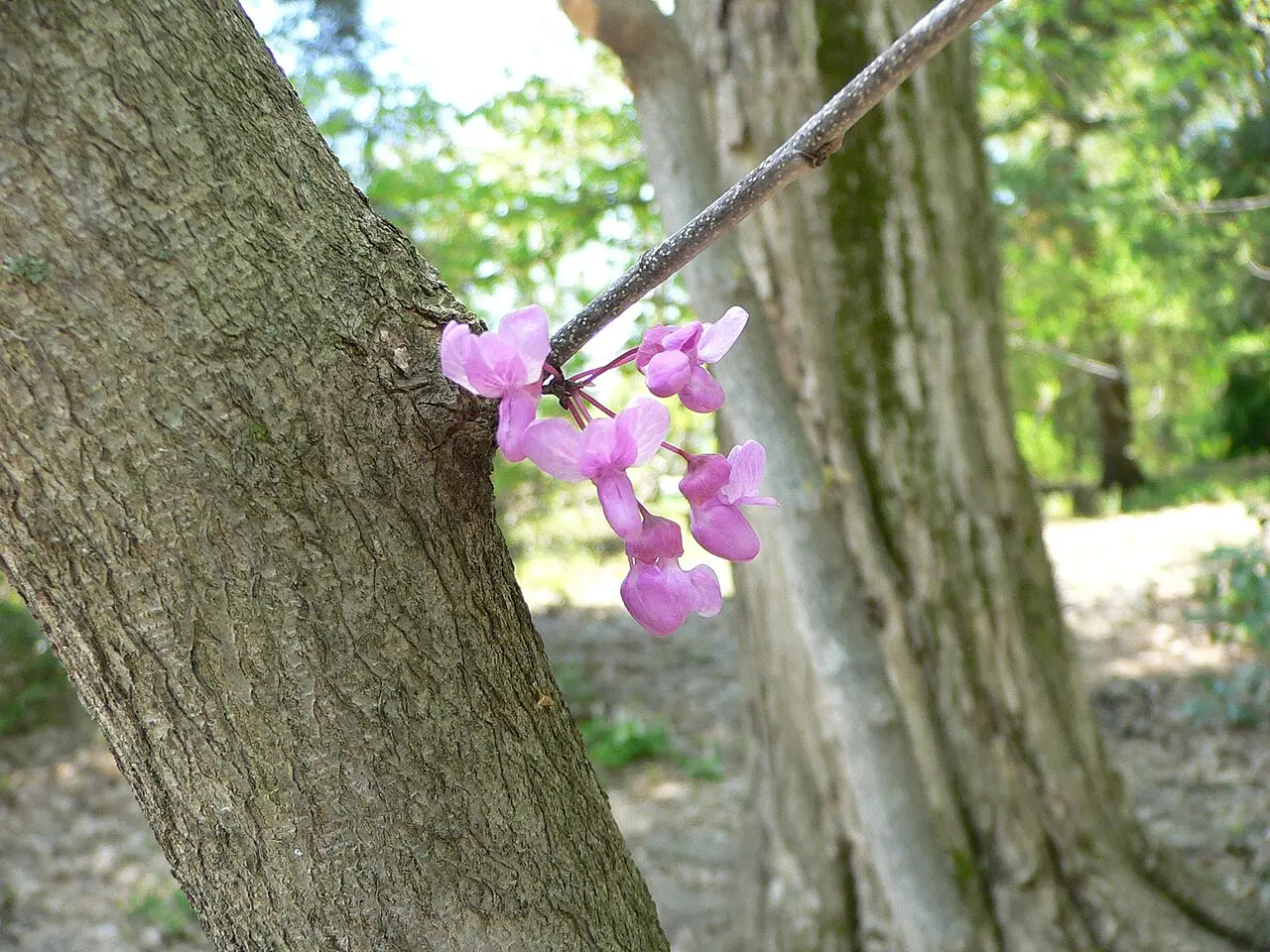
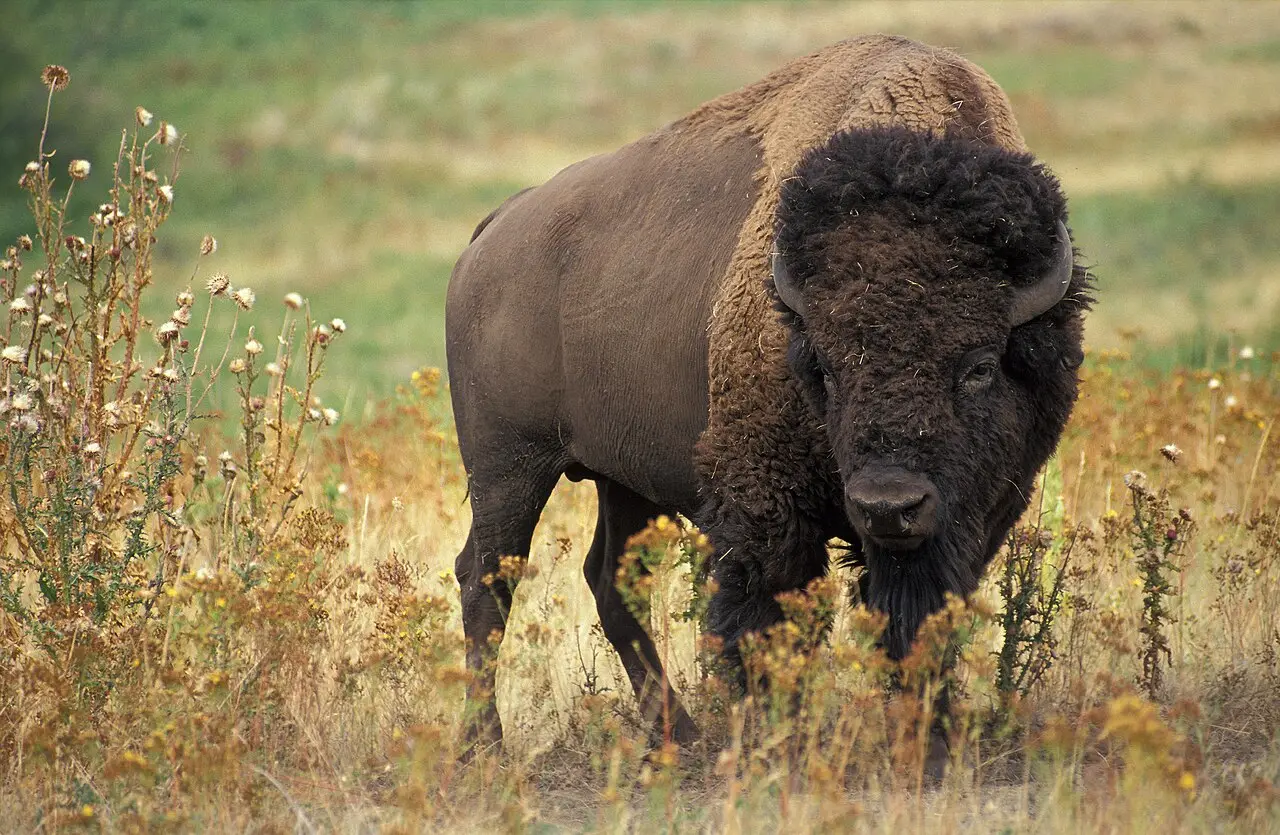
Oklahoma has 58 official state symbols, one of the longest lists in the country. The oldest is mistletoe, the floral emblem since territorial days in 1893; the state flower is the Oklahoma Rose, a red hybrid tea, and the state wildflower the Indian blanket. The scissor-tailed flycatcher, with its long forked tail, is the state bird, the redbud the state tree and the American bison the state animal. Oklahoma also has an official state meal, from chicken-fried steak and fried okra to pecan pie, an official steak, the ribeye, and songs ranging from Rodgers and Hammerstein’s “Oklahoma!” to Woody Guthrie’s “Oklahoma Hills” and the Flaming Lips’ “Do You Realize??” See them all on the Oklahoma symbols page.
Land and people
Oklahoma covers 69,899 square miles, 20th among the states, and had about 4.12 million residents in 2025, 28th in the country and up about 4 percent from 2020. It borders six states: Kansas and Colorado to the north, Missouri and Arkansas to the east, Texas to the south and New Mexico to the west. Oklahoma City, with about 720,000 people, is the largest city, followed by Tulsa, Norman, Broken Arrow and Edmond.
Oklahoma state symbols
All 58 official symbols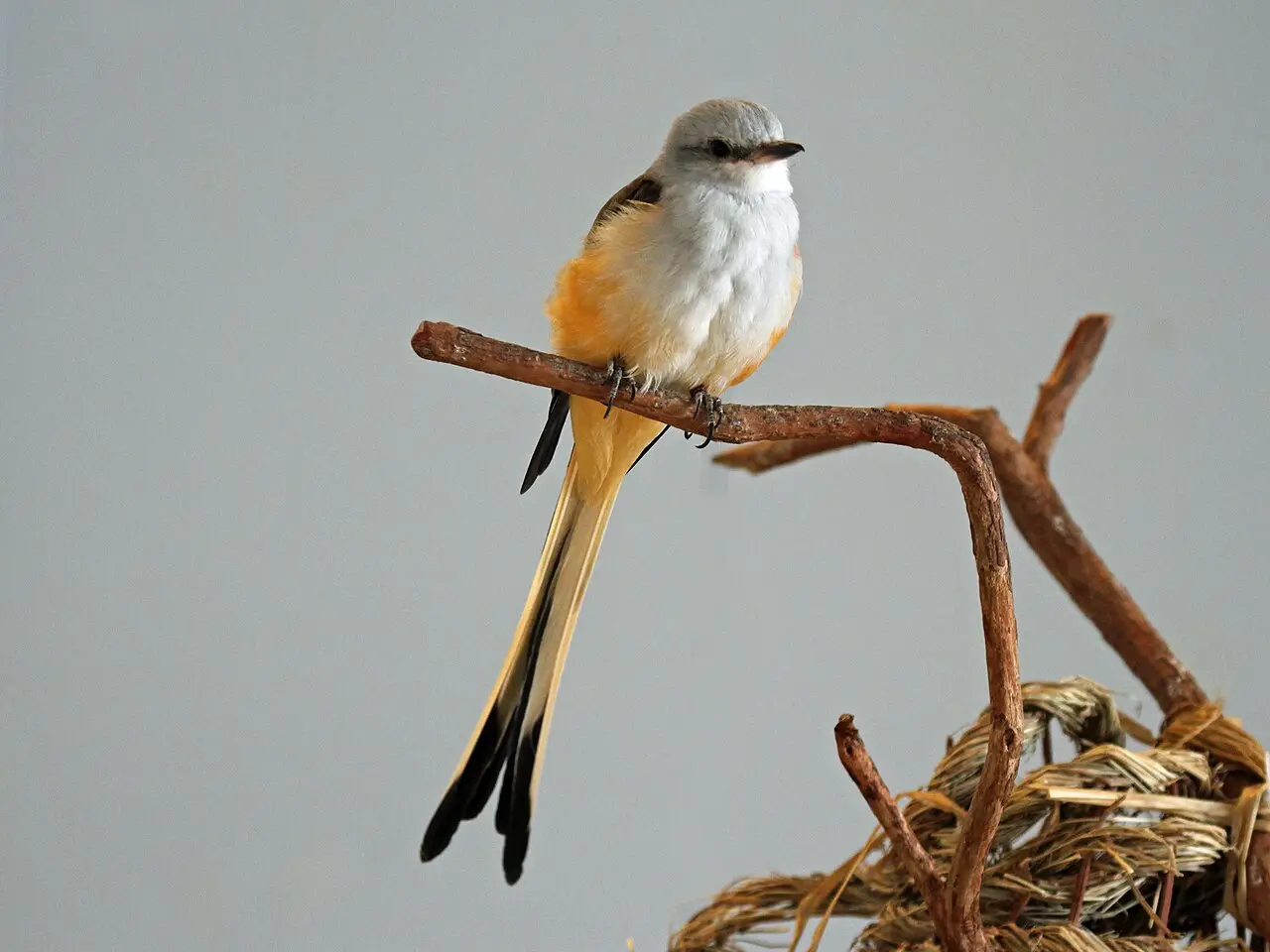
The capital: Oklahoma City
The capital of Oklahoma is Oklahoma City, the seat of government since 1910. Guthrie, the territorial capital, was the first state capital, but after a statewide vote in June 1910 Governor Charles N. Haskell had the state seal taken to Oklahoma City, and the US Supreme Court later upheld the move. Oklahoma City is also the state's largest city, and its Capitol, finished in 1917, did not get its dome until 2002.
- 1890–1910Guthrie
- 1910–todayOklahoma City
Where Oklahoma is
Oklahoma shares a border with 6 states: Arkansas, Colorado, Kansas, Missouri, New Mexico and Texas.
- Land area
- 68,595 sq mi
- Water area
- 1,304 sq mi
- Population density
- 60.1 people per sq mi (34th)
Oklahoma trivia
- Oil wells once pumped on the Capitol grounds; State Capitol Well No. 1, nicknamed Petunia, was finished in 1942 and not plugged until 1986.Source: Oklahoma Historical Society
- The Capitol went without a dome for 85 years; the one approved in the original plans was cut for cost, and a dome was not dedicated until 2002.Source: Oklahoma Historical Society
- The Oklahoma Capitol and the Illinois Capitol are the only two state capitols on historic Route 66.Source: Oklahoma Historical Society
- In 1990 Oklahoma's Capitol became the first state capitol to heat and cool itself with geothermal energy.Source: Oklahoma Historical Society
- A 2001 law directs that the original Great Seal, or a replica of it, be permanently displayed in Guthrie's Logan County Courthouse, Oklahoma's first Capitol building, while the Secretary of State keeps a duplicate in Oklahoma City for official acts.Source: Oklahoma Legislature
- To win votes for making "Oklahoma!" the state song in 1953, Representative George Nigh brought in a college choir and Ridge Bond, an Oklahoman who had played Curly on Broadway, to perform on the House floor.Source: Oklahoma Historical Society
Questions about Oklahoma
- What is the capital of Oklahoma?
- Oklahoma City, the capital since 1910 and the state's largest city. Guthrie was the territorial capital and the first state capital.
- Why is Oklahoma called the Sooner State?
- '"Sooners" were settlers who slipped into the Unassigned Lands before the official start of the 1889 Land Run. The word was an insult at first, but after the University of Oklahoma took it for its football team in 1908 it became a point of pride. It has never been made official.'
- What does Oklahoma mean?
- It comes from two Choctaw words, okla, people, and humma, red, so it means "red people" or "land of the red people." The Choctaw delegate Allen Wright proposed the name after the Civil War.
- What is the state motto of Oklahoma?
- '"Labor omnia vincit," Latin for "Labor conquers all things." It has been on the seal since territorial days in 1893.'
- Why does the Oklahoma seal show the Five Tribes?
- The 1907 seal combined the seal of Oklahoma Territory with the emblems of the Chickasaw, Cherokee, Choctaw, Creek and Seminole nations of Indian Territory, one on each ray of a large star, marking the union of the two territories.
Photo credits (5)
- Flag of Oklahoma: xrmap, Public domain, via Wikimedia Commons
- Scissor-tailed flycatcher: DickDaniels, CC BY-SA 4.0, via Wikimedia Commons
- Oklahoma Rose: David J. Stang, CC BY-SA 4.0, via Wikimedia Commons
- Redbud: Unknown author, CC BY-SA 3.0, via Wikimedia Commons
- American bison: Jack Dykinga, Public domain, via Wikimedia Commons
Sources
- Statehood Movement (Encyclopedia of Oklahoma History and Culture) Oklahoma Historical Society · statehood
- The Story of the Capitol: Location Oklahoma Historical Society · capital
- The Story of the Capitol: Construction Oklahoma Historical Society · capital
- "Iti Fabvssa: Choctaw Place Names in Oklahumma" Choctaw Nation of Oklahoma
- Sooners Oklahoma Historical Society
- Oklahoma Symbols Oklahoma Historical Society
- US Census Bureau Vintage 2025 population estimates; 2010 state area measurements