New Hampshire
The Granite State
New Hampshire became a state on June 21, 1788, as the ninth to ratify the US Constitution, the ratification that put it into effect. Its capital is Concord, the seat of government since 1808, and its largest city is Manchester. New Hampshire is known as the Granite State, and its motto, "Live Free or Die," comes from a Revolutionary War general.
- Capital
- ConcordCapital since 1808
- Statehood
- June 21, 17889th state
- Population, 2025
- 1,415,34241st of 50
- Area
- 9,349 sq mi46th largest · 24,214 km²
- Largest city
- Manchester116,818 people
- Abbreviation
- NHUS Postal Service code
- Motto
- Live Free or DieEnglish
- Borders
- 3 statesCanada · Ocean coast
Named for an English county
New Hampshire takes its name from Hampshire, the county in southern England that Captain John Mason called home. In 1622 Mason and Sir Ferdinando Gorges received a grant covering the coast between the Merrimack and Kennebec rivers. When they divided it, Mason took the southern part, and on November 7, 1629, the Council for New England granted him the land between the Merrimack and Piscataqua rivers under the name New Hampshire. Mason never saw his colony: he died before his planned voyage across the Atlantic.
First government, ninth state
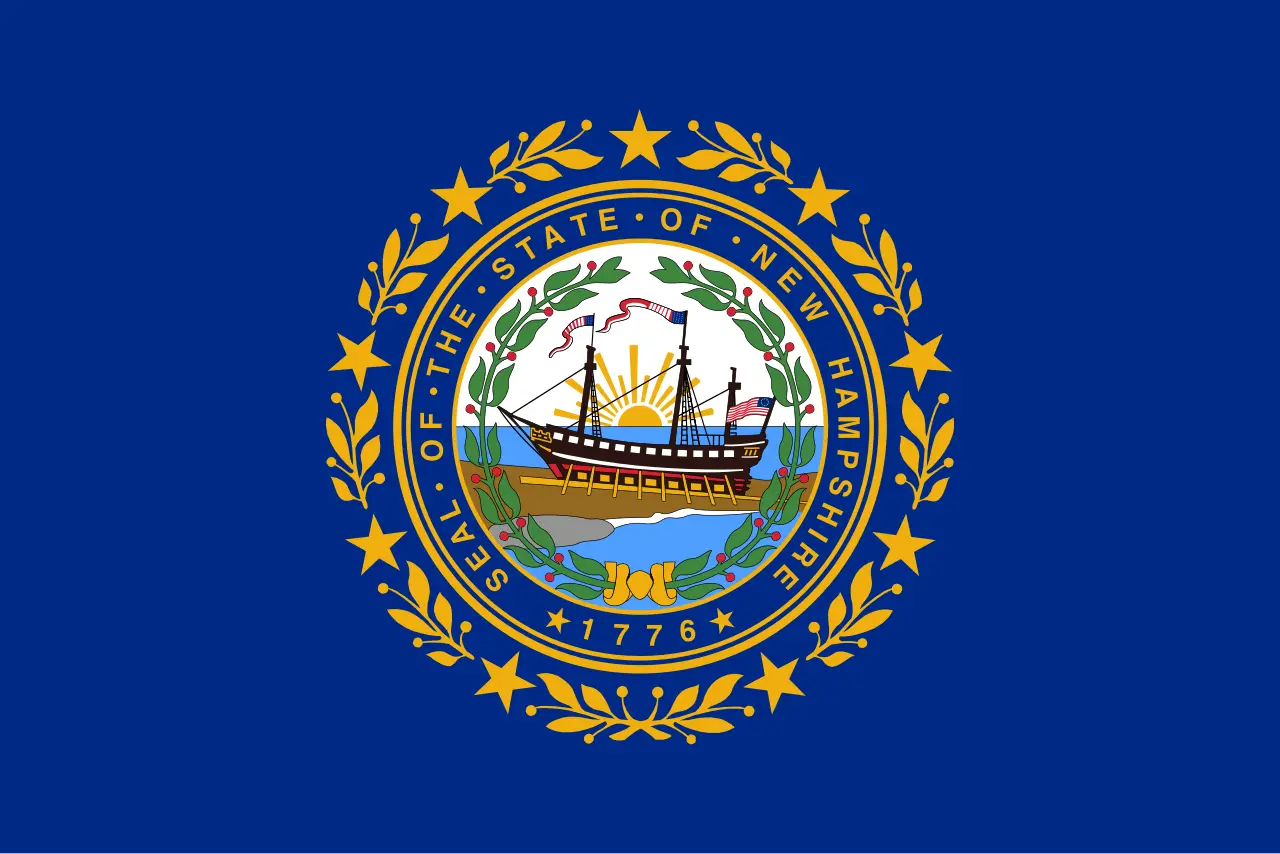
New Hampshire moved early in the Revolution. In January 1776 it set up its own government under a written constitution, the first of the colonies to do so, although the document described the government as temporary, lasting only through the dispute with Great Britain. Twelve years later, on June 21, 1788, New Hampshire became the ninth state to ratify the US Constitution. Article VII required nine ratifications for the Constitution to take effect, so New Hampshire’s vote put it into force. The nine stars on the state flag mark that place in line.
A capital in Concord
For decades after the Revolution, New Hampshire’s legislature had no fixed home. It met at Exeter, Portsmouth, Concord and Hopkinton, and once each at Dover, Amherst, Charlestown and Hanover. From 1808 it settled in Concord, a central town on the Merrimack River, a shift that reflected political power moving from the seacoast to the interior. The granite State House, finished in 1819, is said to be the oldest state capitol in which both legislative chambers still meet in their original rooms. The capital page tells the story.
Live Free or Die
The motto comes from General John Stark. In 1809, too ill to attend a reunion marking the Revolutionary War’s Battle of Bennington, he sent a toast instead: “Live free or die.” The Legislature made it the state motto in 1945, together with a state emblem showing the Old Man of the Mountain, the granite profile in Franconia Notch. The Old Man collapsed in 2003, but he is still on the emblem.
The Granite State
New Hampshire’s nickname comes from the granite under much of the state. The phrase “Granite State” first appeared in a poem by Philip Carrigain read at a dinner for the Marquis de Lafayette in Concord in June 1825, and it spread after the Hutchinson Family Singers reworked the song in the 1840s. Granite is now the state rock, and the State House is built of it. Other, older nicknames include the White Mountain State, the Switzerland of America and the Mother of Rivers, because several of New England’s major rivers rise in its mountains.
Lilacs, finches and newts
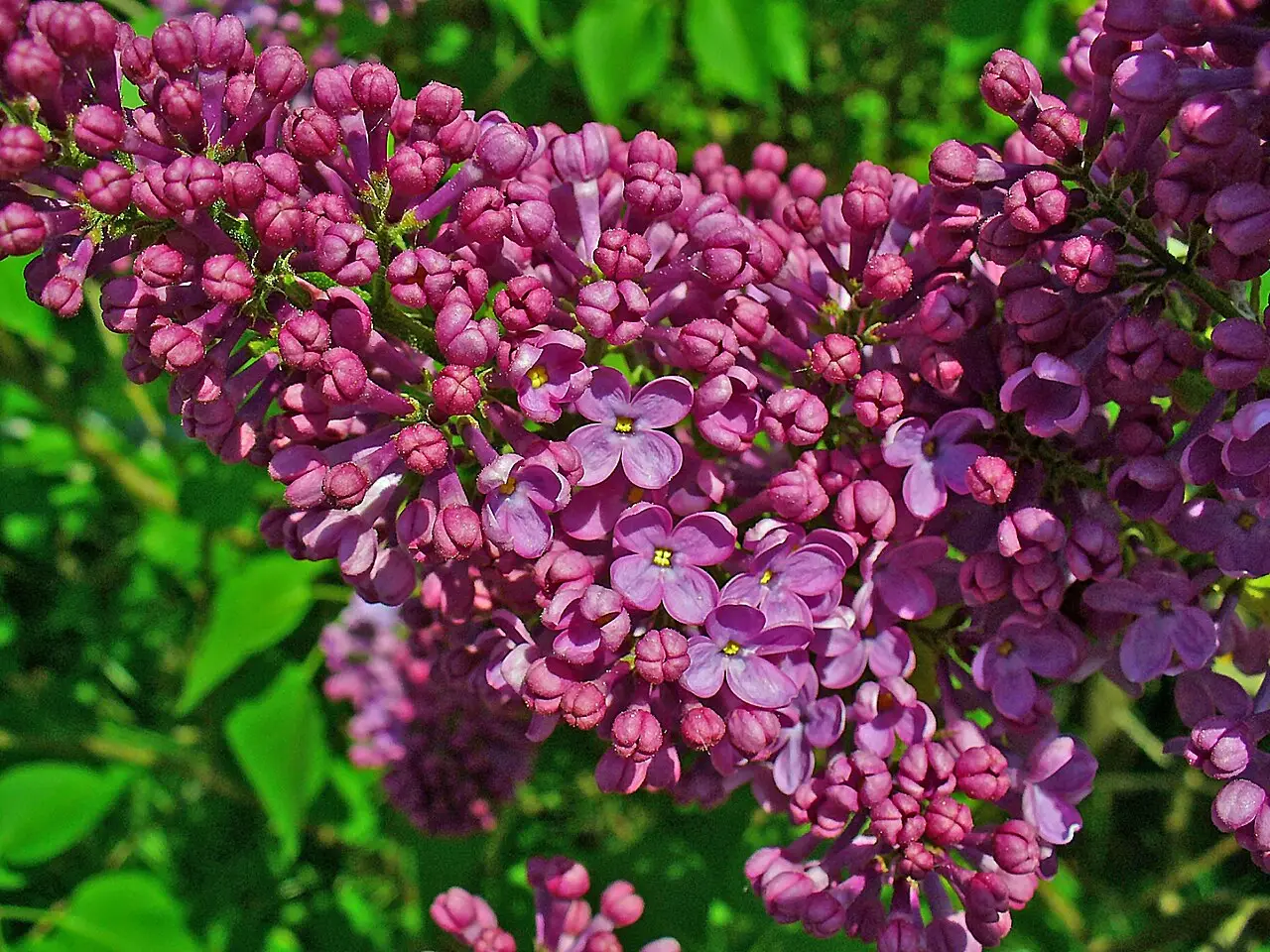
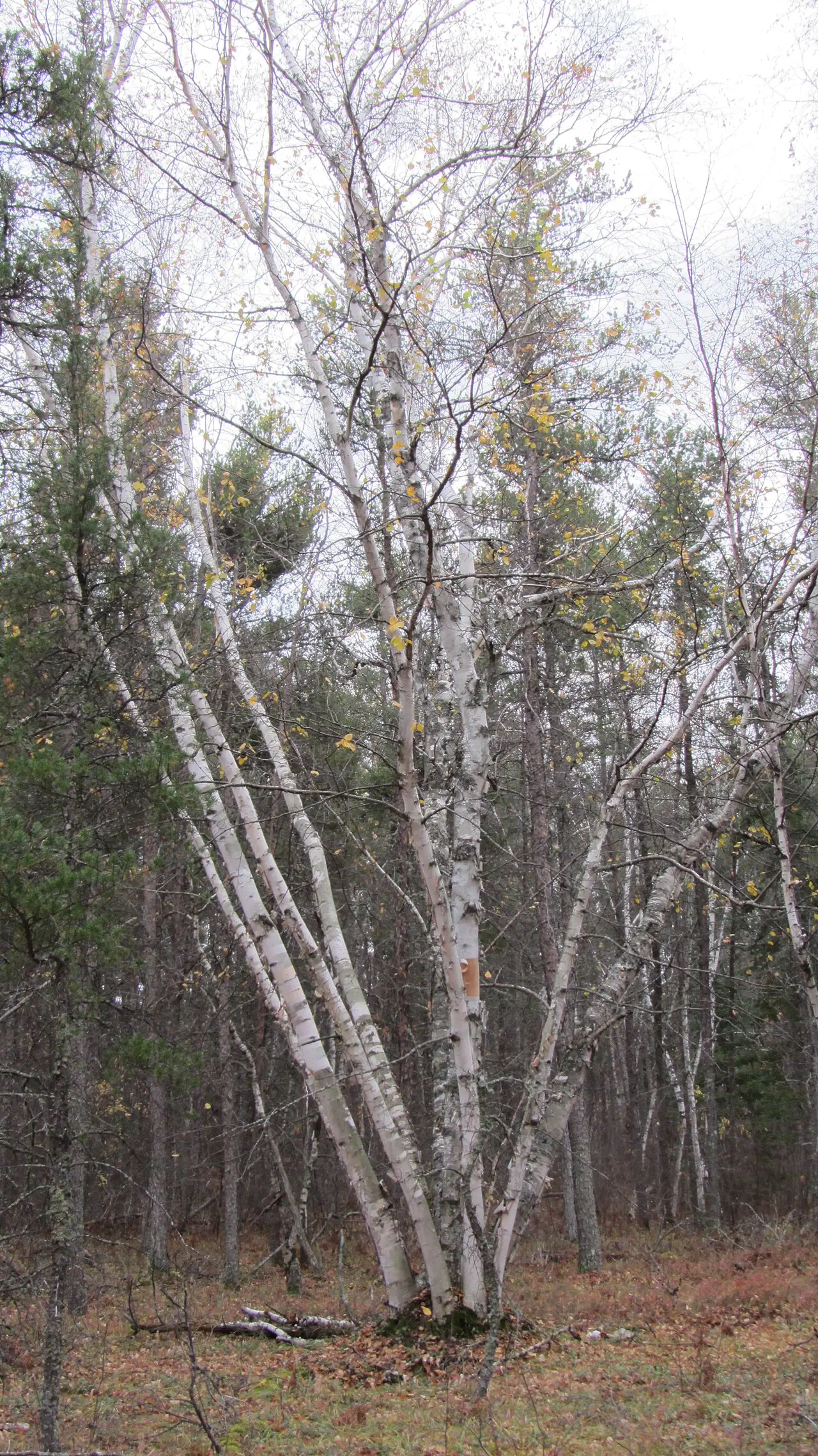
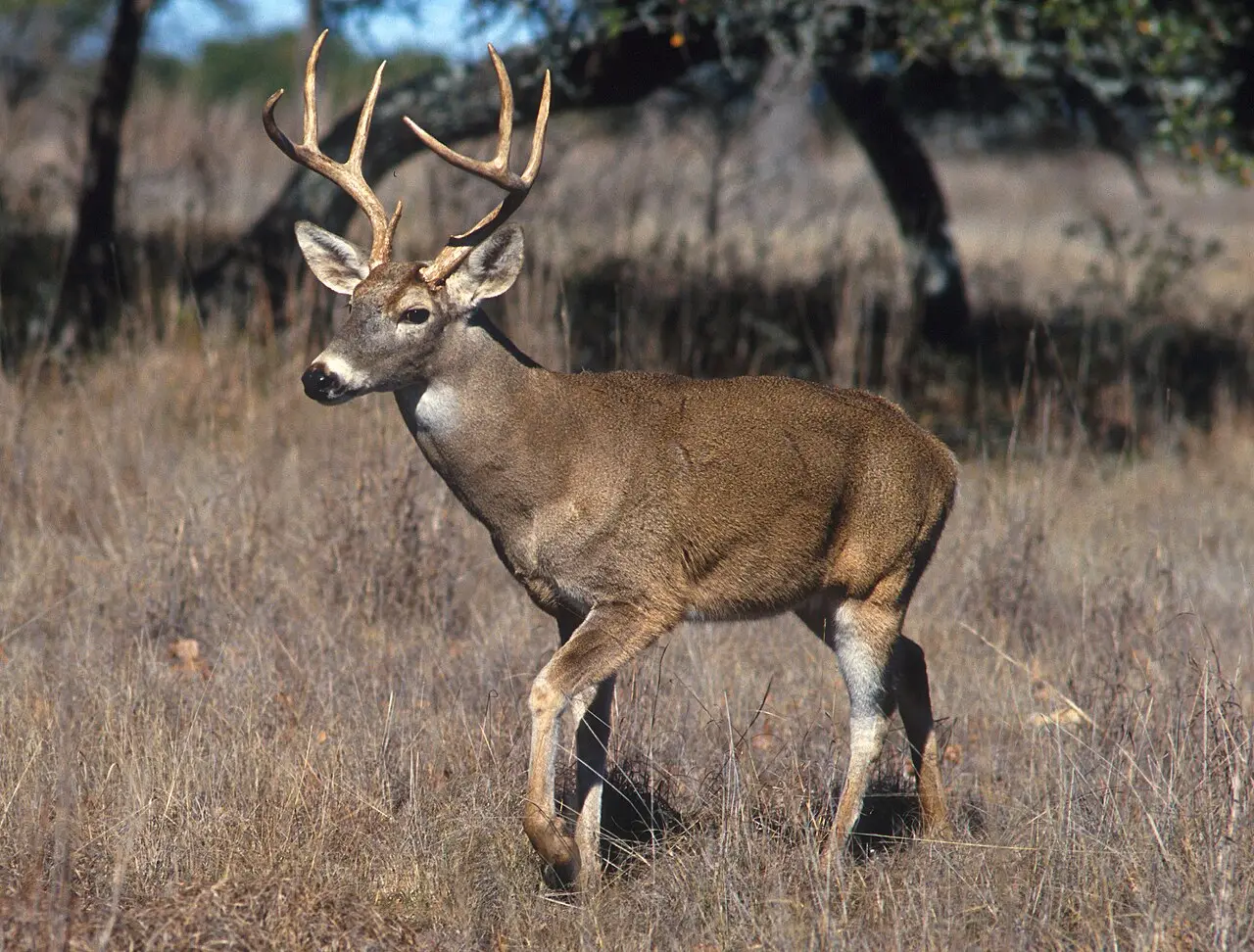
New Hampshire has 29 official state symbols. The purple lilac, first planted in the state around 1750, has been the state flower since 1919, and the purple finch the state bird since 1957. The white birch is the state tree. Schoolchildren have proposed many of the others, from the ladybug in 1977 to the pumpkin, the Chinook sled dog and, in 2025, the Virginia opossum. The state flag shows the seal, with the frigate Raleigh being built at Portsmouth. See every symbol on the New Hampshire symbols page.
Land and people
New Hampshire covers 9,349 square miles, 46th among the states, and had about 1.42 million residents in 2025, 41st in the country and up from 2020. It borders Massachusetts to the south, Vermont to the west, Maine to the east and Canada to the north, and it has a short Atlantic coastline around Portsmouth. Manchester, with about 117,000 people, is the largest city, followed by Nashua, Concord, Dover and Rochester.
New Hampshire state symbols
All 29 official symbols
The capital: Concord
The capital of New Hampshire is Concord, where the legislature has met continuously since 1808. Before that, the government had no fixed home and moved among Exeter, Portsmouth, Hopkinton and other towns. Concord's granite State House, first used in 1819, is said to be the oldest state capitol in which both legislative chambers still meet in their original rooms.
- 1784–1807Several towns
- 1808–todayConcord
Where New Hampshire is
New Hampshire shares a border with 3 states: Massachusetts, Maine and Vermont. It also borders Canada.
- Land area
- 8,953 sq mi
- Water area
- 397 sq mi
- Population density
- 158.1 people per sq mi (21st)
New Hampshire trivia
- A 1934 gust of 231 miles per hour measured on Mount Washington was the fastest wind ever recorded at that time.Source: New Hampshire Historical Society
- The state seal was redrawn in 1931 after engravers over the years had added rum barrels and even people to the dock scene on the old 1784 design.Source: New Hampshire State Library (NH.gov)
- The frigate Raleigh on the seal, built at Portsmouth in 1776, was later captured by the British and used against the Americans for the rest of the war.Source: New Hampshire State Library (NH.gov)
- New Hampshire lists ten state songs in its statutes; a 1977 selection board named "Old New Hampshire" the one official song, revealed when the governor's wife drew it from a sealed envelope.Source: New Hampshire State Library (NH.gov)
- State law defines a 'New Hampshire native' and promises that anyone who claims that status in good faith will not be charged with perjury.Source: New Hampshire General Court
- A sled dog named Chinook, owned by New Hampshire's Arthur Walden, was a lead dog on Richard Byrd's Antarctic expedition in 1929; the breed named for him is now the state dog.Source: New Hampshire Historical Society
Questions about New Hampshire
- What is the capital of New Hampshire?
- Concord. The legislature has met there continuously since 1808, and the State House was finished in 1819.
- Why is New Hampshire called the Granite State?
- For its widespread granite formations and quarries. The phrase first appeared in a poem read at a dinner for the Marquis de Lafayette in Concord in 1825. Granite is also the official state rock.
- Where does New Hampshire's motto come from?
- '"Live Free or Die" comes from an 1809 toast by General John Stark, sent to a Battle of Bennington reunion he was too ill to attend. It became the state motto in 1945.'
- Where does the name New Hampshire come from?
- From Hampshire, the county in southern England that Captain John Mason called home. He received the grant for the colony in 1629.
- Does New Hampshire have a coastline?
- Yes, a short one on the Atlantic, around Portsmouth, the old colonial capital.
Photo credits (5)
- Flag of New Hampshire: Xrmap flag collection, Public domain, via Wikimedia Commons
- Purple finch: Cephas, CC BY-SA 3.0, via Wikimedia Commons
- Purple lilac: H. Zell, CC BY-SA 3.0, via Wikimedia Commons
- White birch: Robert Linsdell from St. Andrews, Canada, CC BY 2.0, via Wikimedia Commons
- White-tailed deer: USDA photo by Scott Bauer, Public domain, via Wikimedia Commons
Sources
- Fast Facts, New Hampshire Almanac New Hampshire State Library (NH.gov) · statehood
- A History of the State House, New Hampshire Almanac New Hampshire State Library (NH.gov) · capital
- Portsmouth State House exhibit U.S. District Court for the District of New Hampshire · capital
- Mason the Moose (Moose on the Loose) New Hampshire Historical Society
- Moose on the Loose timeline New Hampshire Historical Society
- State Emblem, New Hampshire Almanac New Hampshire State Library
- Why is New Hampshire called the Granite State? The Boston Globe
- US Census Bureau Vintage 2025 population estimates; 2010 state area measurements