Utah
The Beehive State
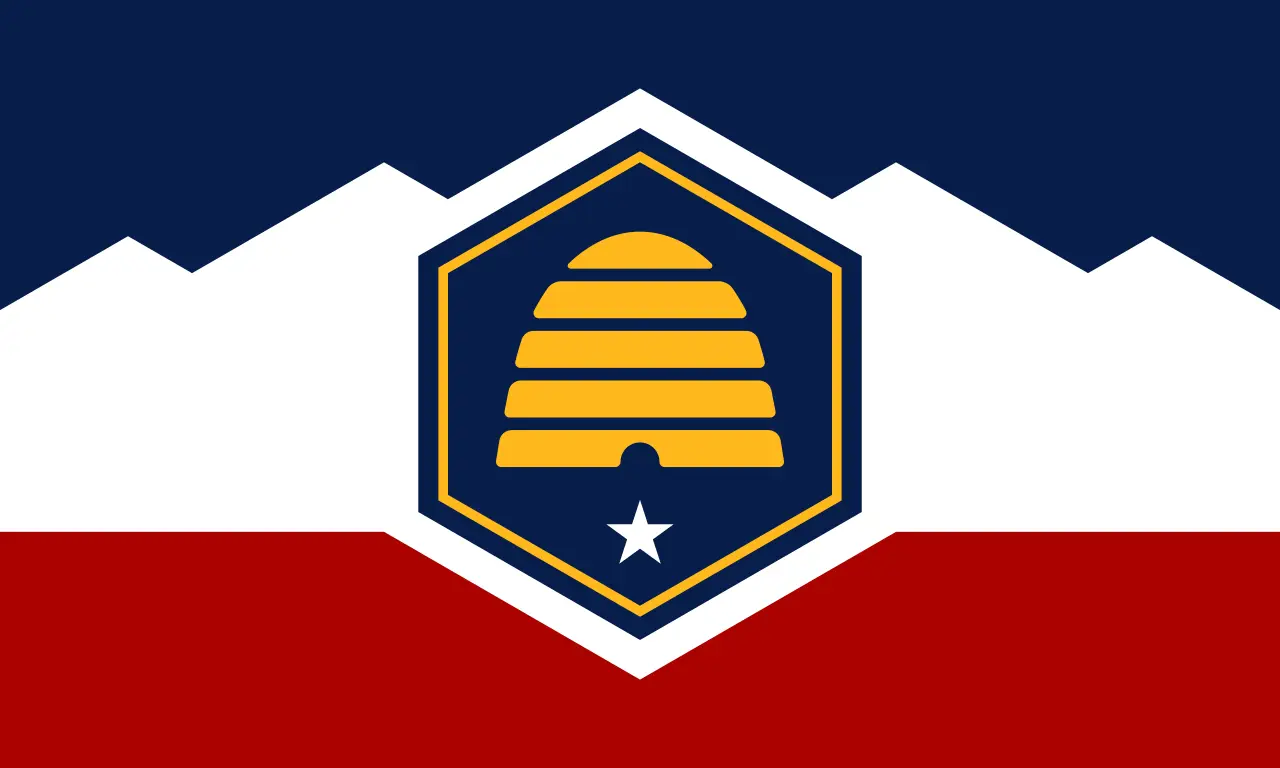
Utah became the 45th state on January 4, 1896. Its capital and largest city is Salt Lake City, the seat of government since 1856, after a brief stay in Fillmore. Utah is known as the Beehive State: the beehive, a pioneer symbol of hard work, is the state emblem, the centerpiece of the new state flag adopted in 2024, and the symbol of the state motto, "Industry."
- Capital
- Salt Lake CityCapital since 1856
- Statehood
- January 4, 189645th state
- Population, 2025
- 3,538,90430th of 50
- Area
- 84,897 sq mi13th largest · 219,882 km²
- Largest city
- Salt Lake City218,428 people
- Abbreviation
- UTUS Postal Service code
- Motto
- IndustryEnglish
- Borders
- 5 statesLandlocked
Named for the Utes
Utah takes its name from the Ute people, by way of the Spanish form Yuta, or Yutas, used for them in colonial New Mexico. The Utes do not use the word themselves; their own name is Núuchi-u, “the people.” What Yuta originally meant is disputed. Proposals include “people of the mountains,” “upper people” and “meat eaters,” and the popular reading “top of the mountains” may owe more to Latter-day Saint scripture than to any Native language.
Pioneers and the beehive
The beehive has been Utah’s emblem since its pioneer years. Settlers arrived in 1847, the year marked on the state seal and in the beehive on the flag, and in 1848 they set up a provisional State of Deseret, whose emblem was the hive; “Deseret” is a Book of Mormon word for honeybee. The beehive appeared on the territorial seal by 1851 and on the state seal in 1896, and in 1959 the Legislature made it the official state emblem, along with the motto “Industry.”
The 45th state
Congress passed the Utah Enabling Act on July 16, 1894, and President Grover Cleveland proclaimed Utah the 45th state on January 4, 1896.
Salt Lake City
Utah’s first territorial legislature met in Salt Lake City, but in 1851 it chose the Pauvan Valley in central Utah, at what became Fillmore, as the capital because of its central location. Only one wing of the Fillmore statehouse was finished, and after a single complete session there, in 1855 and 1856, lawmakers moved back to Salt Lake City, which became the capital that December. The present Capitol, of gray granite from Little Cottonwood Canyon, opened in 1916. The capital page tells the story.
A new flag
For more than a century Utah’s flag was the state seal on a blue field, one of many similar state flags. After a public campaign that drew more than 5,700 designs, the Legislature adopted a new state flag that took effect on March 9, 2024, exactly 113 years after the first: bands of blue, white and red for sky, snowy mountains and red rock, with a gold beehive in a blue hexagon. The old flag is kept as the historic state flag.
Gulls, sego lilies and aspens
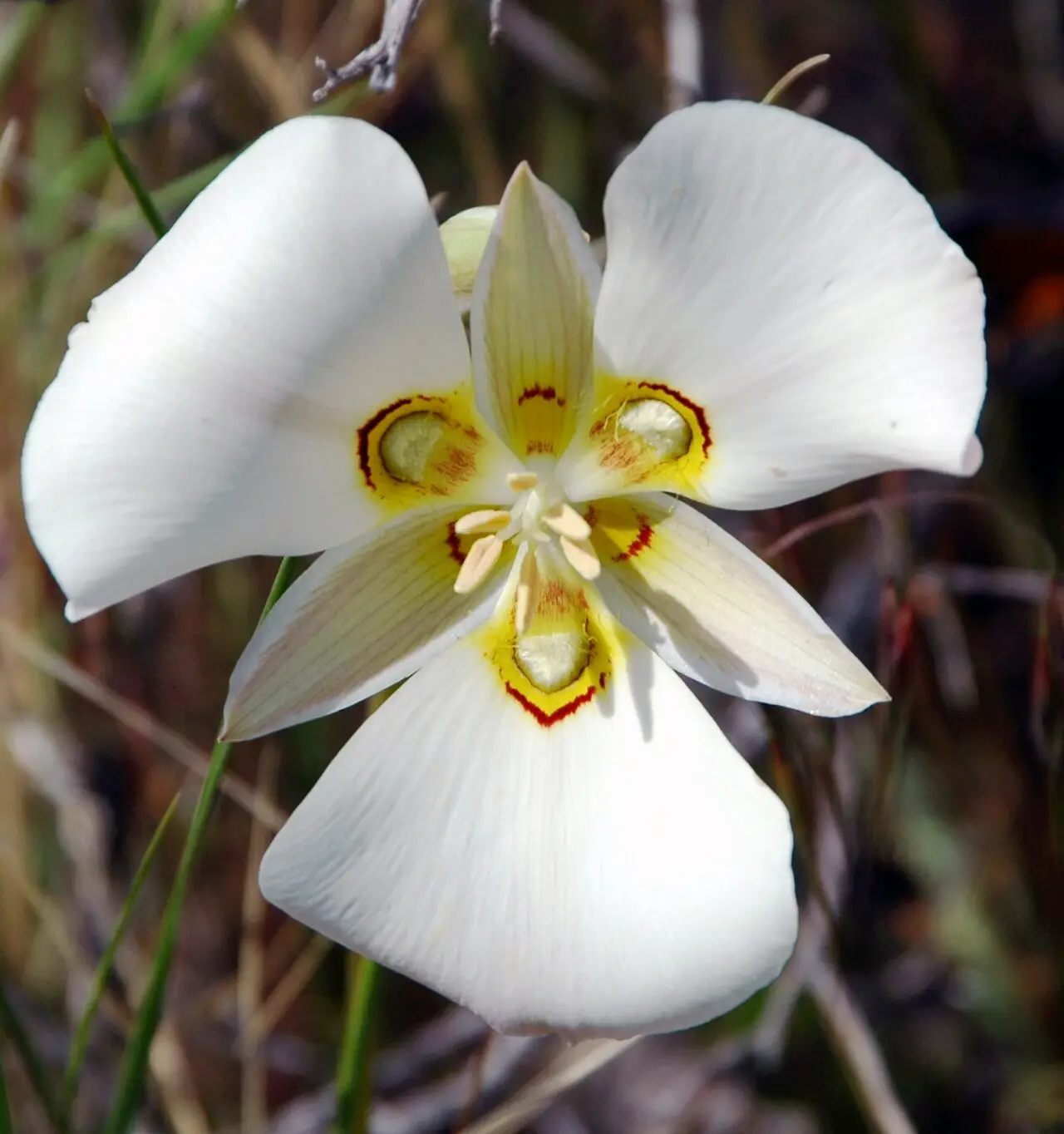
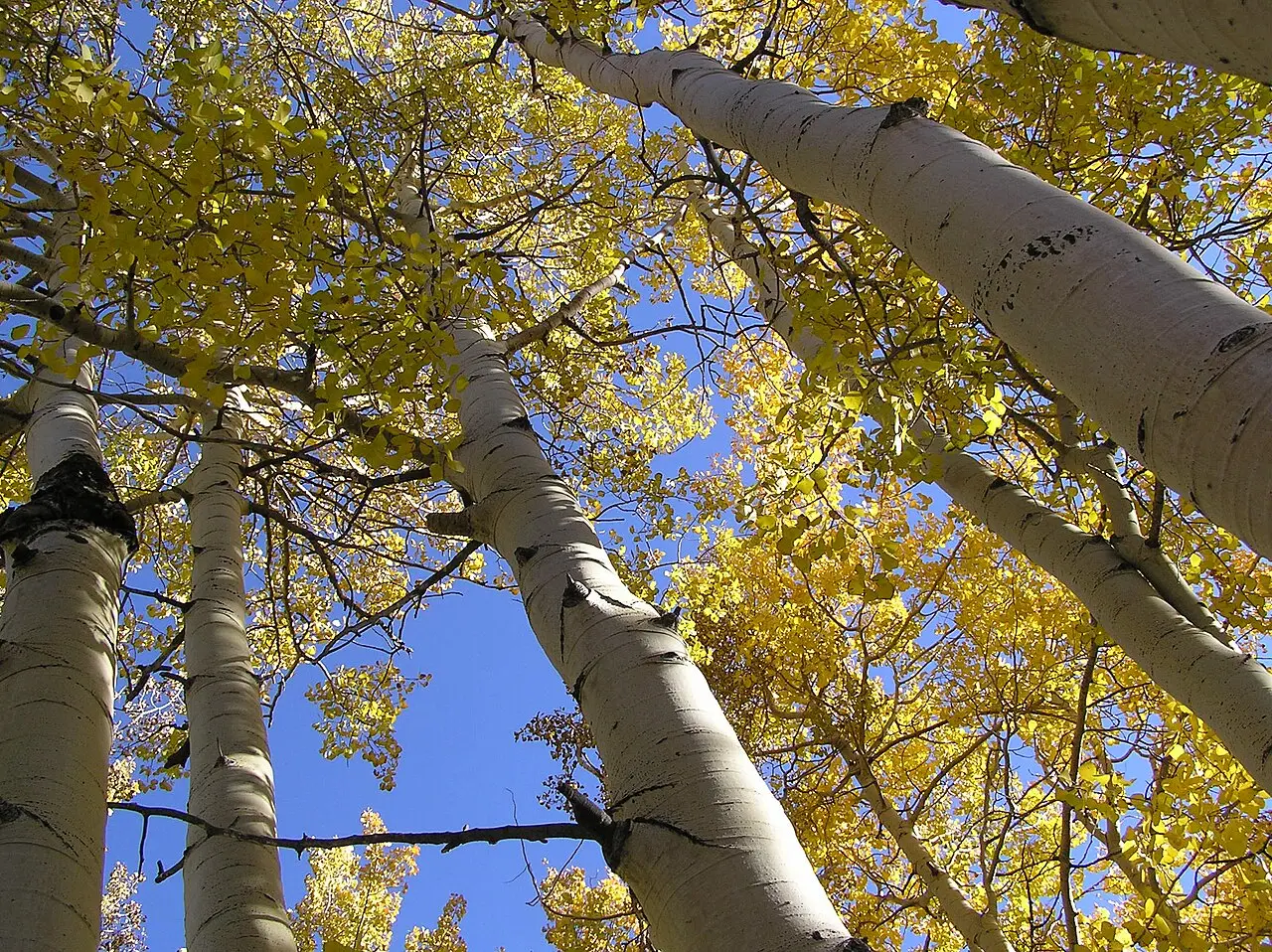
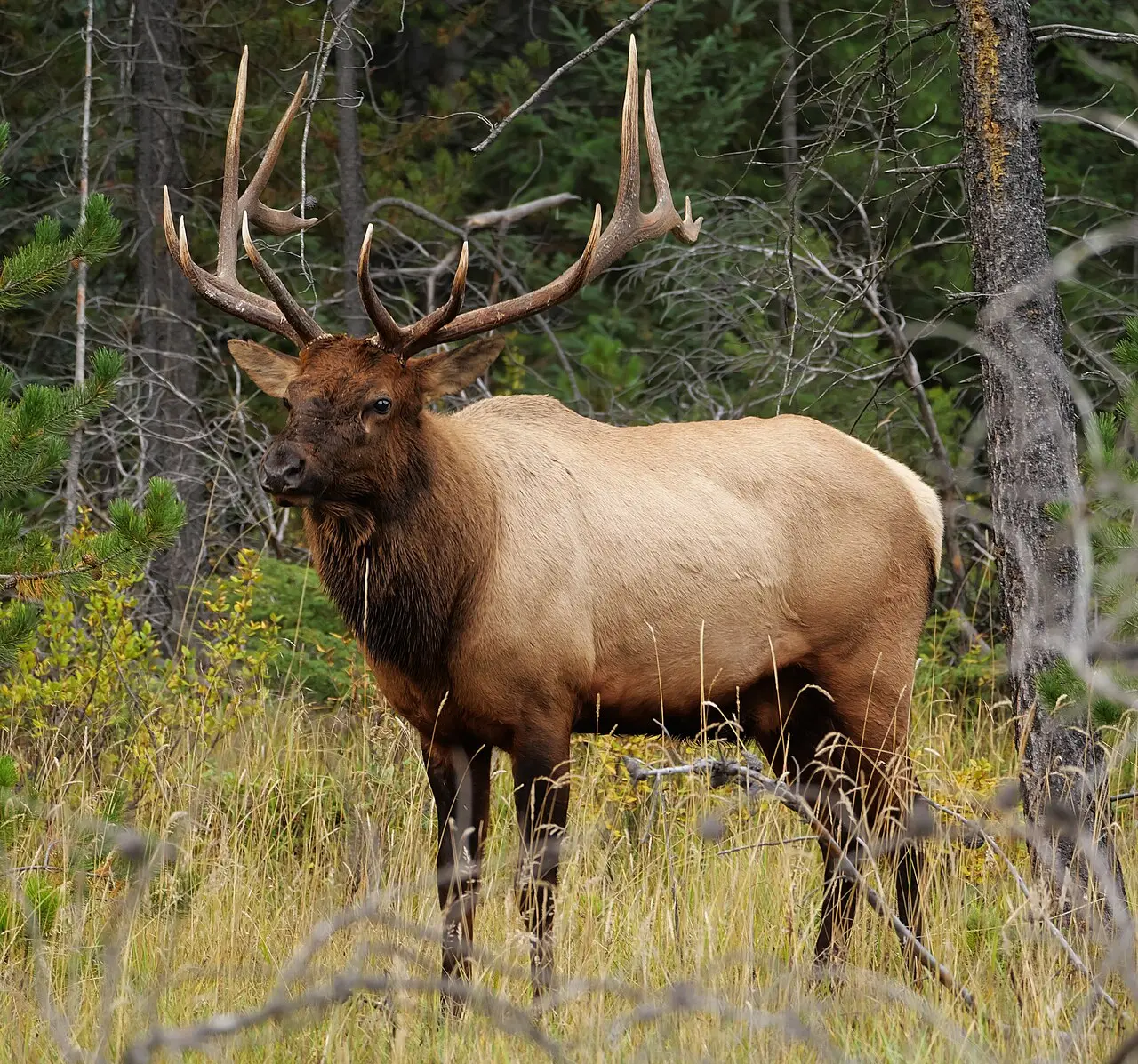
Utah has 40 official state symbols. The California gull, which the law calls the “sea gull,” honors the gulls that ate swarms of crickets attacking pioneer crops in 1848. The sego lily, whose bulbs pioneers ate in hard times, is the state flower, and the quaking aspen replaced the blue spruce as state tree in 2014 at the suggestion of fourth graders. The list also includes the Utahraptor and Allosaurus, the Dutch oven, the cherry, Spiral Jetty and, since 2025, the word “Utahn” as the official demonym. See them all on the Utah symbols page.
Land and people
Utah covers 84,897 square miles, 13th among the states, and had about 3.54 million residents in 2025, 30th in the country and up more than 8 percent from 2020, one of the fastest growth rates of any state. It borders Idaho, Wyoming, Colorado, Arizona and Nevada. Salt Lake City, with about 218,000 people, is the largest city, followed by West Valley City, West Jordan, Provo and St. George.
Utah state symbols
All 40 official symbols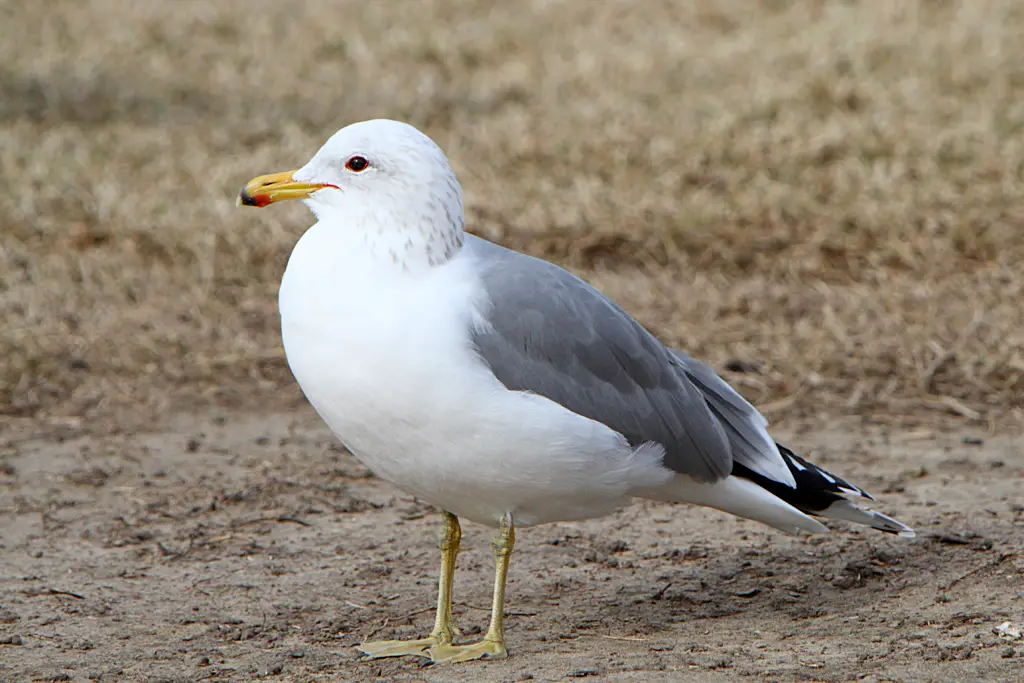
The capital: Salt Lake City
The capital of Utah is Salt Lake City, the seat of government since December 1856. In 1851 the territorial legislature chose Fillmore, in the center of the territory, but only one wing of its statehouse was ever finished, and after a single full session there lawmakers went back to Salt Lake City. The present Capitol, of gray granite, was built from 1912 to 1916, partly with inheritance tax paid on the estate of the railroad magnate E. H. Harriman.
- 1856–todaySalt Lake City
Where Utah is
Utah shares a border with 5 states: Arizona, Colorado, Idaho, Nevada and Wyoming.
- Land area
- 82,170 sq mi
- Water area
- 2,727 sq mi
- Population density
- 43.1 people per sq mi (40th)
Utah trivia
- Utah was the first state to name an official firearm, choosing the Ogden-born John M. Browning's M1911 pistol in 2011.Source: Utah State Library, Utah's Online Library (archived copy)
- Utah's centennial star, Dubhe, was chosen because its light was thought to take about 100 years to reach Earth, matching Utah's first century of statehood, although modern measurements put the star about 123 light-years away.Source: Utah State Library, Utah's Online Library (archived copy)
- An inheritance-tax payment of about $798,546 from E. H. Harriman's estate helped Utah pay for its State Capitol.Source: National Park Service
- The Capitol rotunda's chandelier weighs about three tons and hangs from a 95-foot chain.Source: National Park Service
- Honeycomb calcite, Utah's state stone, is known only from Duchesne County, and the beehive set in the Capitol's floor seal is cut from it.Source: Utah State Library, Utah's Online Library (archived copy)
- Ballet West's production of Willam Christensen's "The Nutcracker" is designated by statute as a Utah 'living historic landmark.'Source: Utah State Legislature
Questions about Utah
- What is the capital of Utah?
- Salt Lake City, the capital since 1856 and the state's largest city. Fillmore was the territorial capital for a short time in the 1850s.
- Why is Utah called the Beehive State?
- The beehive was the emblem of the pioneer State of Deseret in 1848 and stands for industry and community. It became the official state emblem in 1959, alongside the motto "Industry." The nickname itself is customary rather than set in law.
- Where does the name Utah come from?
- From the Ute people, by way of the Spanish form Yuta. The Utes' own name for themselves is Núuchi-u, "the people." What Yuta originally meant is disputed.
- What do you call someone from Utah?
- A Utahn. A 2025 law made "Utahn," not "Utahan" or "Utahian," the official term.
- When did Utah change its flag?
- The new beehive flag became official on March 9, 2024. The old seal-on-blue design is kept as the "historic state flag."
Photo credits (5)
- Flag of Utah: The State of Utah, Public domain, via Wikimedia Commons
- California gull: Alan Vernon, CC BY 2.0, via Wikimedia Commons
- Sego lily: Unknown author, CC BY-SA 3.0, via Wikimedia Commons
- Quaking aspen: Scott Catron, CC BY 2.5, via Wikimedia Commons
- Elk: Membeth, CC0, via Wikimedia Commons
Sources
- Utah Statehood Utah Division of State History · statehood
- National Register of Historic Places Inventory-Nomination Form: Capitol Building (Utah State Capitol), Salt Lake City National Park Service · capital
- Utah Constitution, Article XXII, Section 3 [Seat of government] Utah State Legislature · capital
- "Utah: The riddle behind the name" Deseret News
- Utah Code § 63G-1-601 (state symbols) Utah State Legislature
- Emblem, the beehive (Utah State Symbols) Utah State Library (archived)
- US Census Bureau Vintage 2025 population estimates; 2010 state area measurements