Texas
The Lone Star State
Texas became the 28th state on December 29, 1845, after nearly ten years as the independent Republic of Texas. Its capital is Austin, chosen by the Republic in 1839, and its largest city is Houston. Texas is the second-largest state in both area and population, it is officially the Lone Star State, and its name and its motto, "Friendship," share the same meaning.
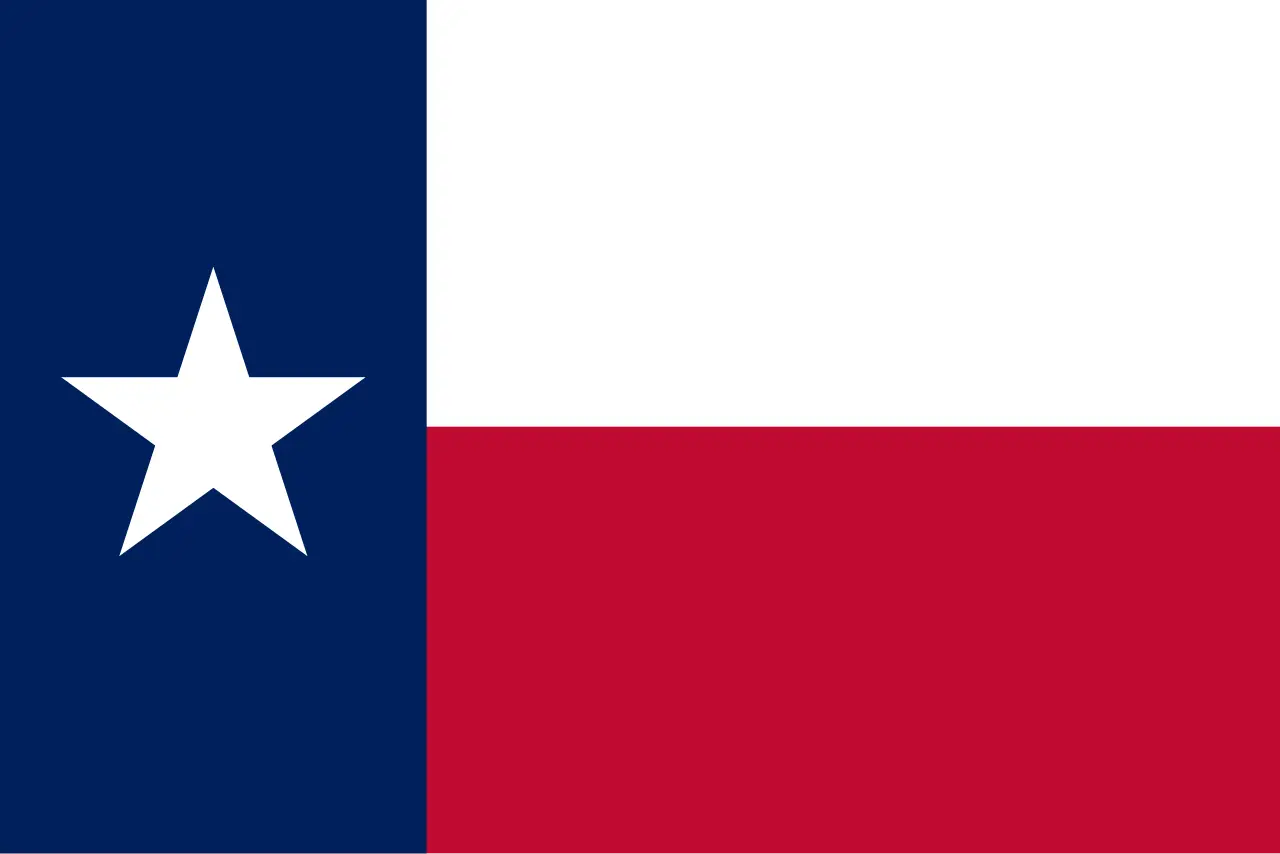
- Capital
- AustinCapital since 1839
- Statehood
- December 29, 184528th state
- Population, 2025
- 31,709,8212nd of 50
- Area
- 268,596 sq mi2nd largest · 695,662 km²
- Largest city
- Houston2,397,315 people
- Abbreviation
- TXUS Postal Service code
- Motto
- FriendshipEnglish
- Borders
- 4 statesMexico · Ocean coast
Friends
The name Texas comes from a word used by the Hasinai and allied Caddo peoples of East Texas, meaning “friends” or “allies,” which they also used as a greeting. Spanish visitors wrote it down in many spellings, among them tejas, tayshas and texias. After Damián Massanet’s expedition of 1689 the Spanish mistook it for the name of a great kingdom, then applied it to a group of tribes and eventually to the whole province. Later suggestions that it means “land of flowers,” “paradise” or “tiled roofs” have no support in the documents of the time. In 1930 Texas adopted “Friendship” as its state motto, echoing the original meaning.
A republic, then a state
Texas was part of Spanish and then Mexican territory before it broke away. In 1836 a convention at Washington-on-the-Brazos declared independence, and the Republic of Texas governed itself for almost a decade. In 1845 it was annexed by a joint resolution of Congress, and President James K. Polk signed the act admitting Texas as the 28th state on December 29, 1845. The reverse of the state seal recalls that history: the Alamo, the Gonzales cannon and Vince’s Bridge, ringed by the six flags that have flown over Texas, with “Remember the Alamo” above.
Austin
The young republic moved its capital several times, from Washington-on-the-Brazos to Harrisburg, Galveston, Velasco, Columbia and Houston. In 1839 a commission chose a site on the Colorado River around the hamlet of Waterloo, which became Austin. Fear of a Mexican attack led President Sam Houston to move the government away in 1842, and his attempt to take the archives from Austin set off the so-called Archives War, but Austin was the capital again by statehood and won statewide votes in 1850 and 1872. Its red granite Capitol, finished in 1888, is taller than the US Capitol. The capital page tells the story.
The Lone Star
Texas’s single star has been its emblem since the Republic. The Burnet flag of 1836 put a gold star on a blue field, and the Lone Star Flag adopted on January 25, 1839, became the national flag of the Republic and later the state flag. “The Lone Star State” was in use for nearly two centuries before it became the official nickname in 2015.
Bluebonnets, mockingbirds and pecans
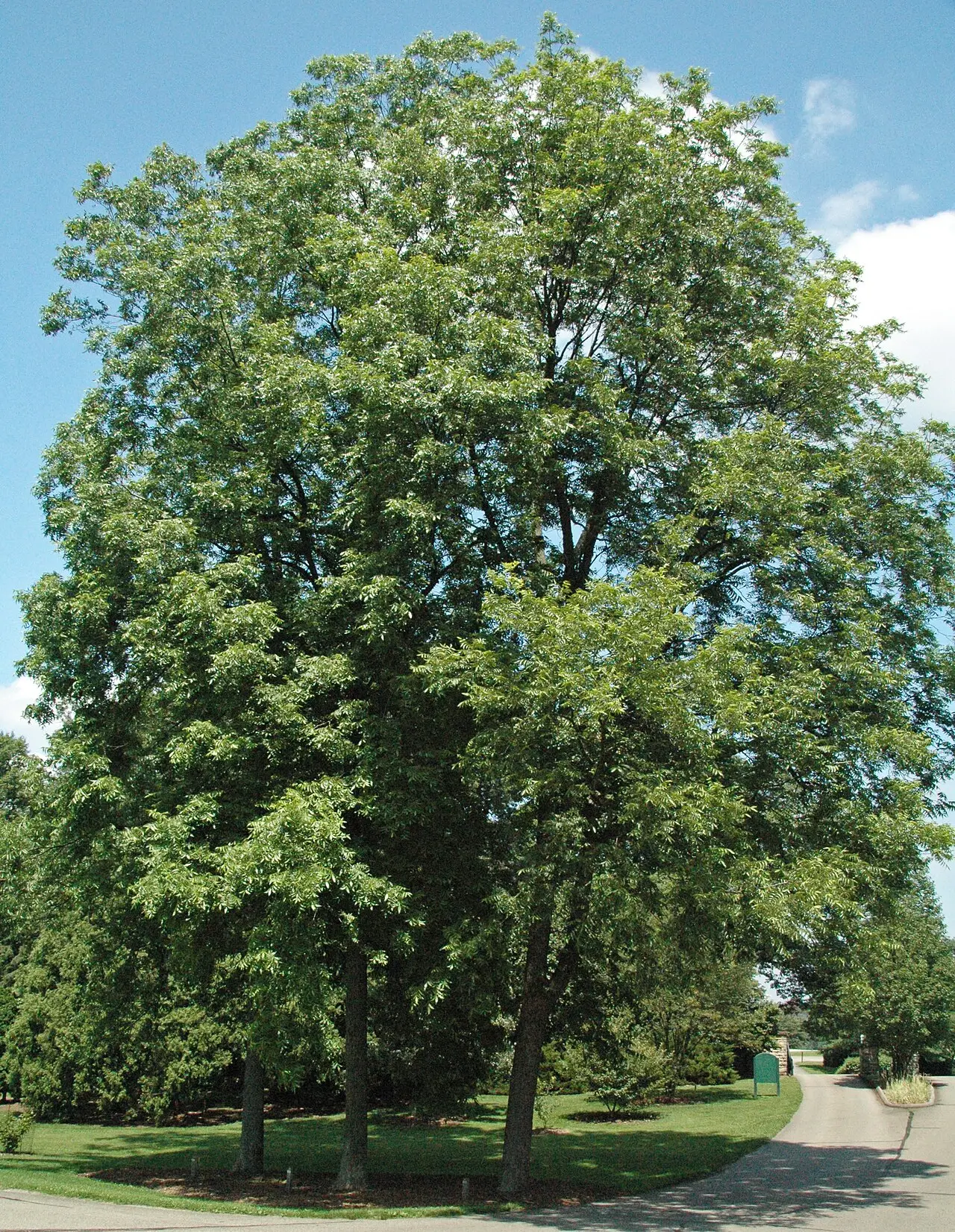
Texas has 80 official state symbols, one of the longest lists in the country. The bluebonnet, adopted in 1901, was the first. The northern mockingbird followed as state bird in 1927, and the pecan, which grows wild in the river valleys of most of the state, has been the state tree since 1919. Texas splits its state mammal in two: the longhorn is the large state mammal and the armadillo the small one. Chili is the state dish, and the list runs on through the cowboy boot and cowboy hat, the guitar, rodeo, the chuck wagon and the Battleship Texas. See them all on the Texas symbols page.
Land and people
Texas covers 268,596 square miles, second only to Alaska, and had about 31.7 million residents in 2025, second only to California, up nearly 9 percent from 2020. It borders New Mexico, Oklahoma, Arkansas and Louisiana, faces the Gulf to the southeast and shares its southern border with Mexico. Houston, with about 2.4 million people, is the largest city, followed by San Antonio, Dallas, Fort Worth and Austin, all with more than a million residents.
Texas state symbols
All 80 official symbols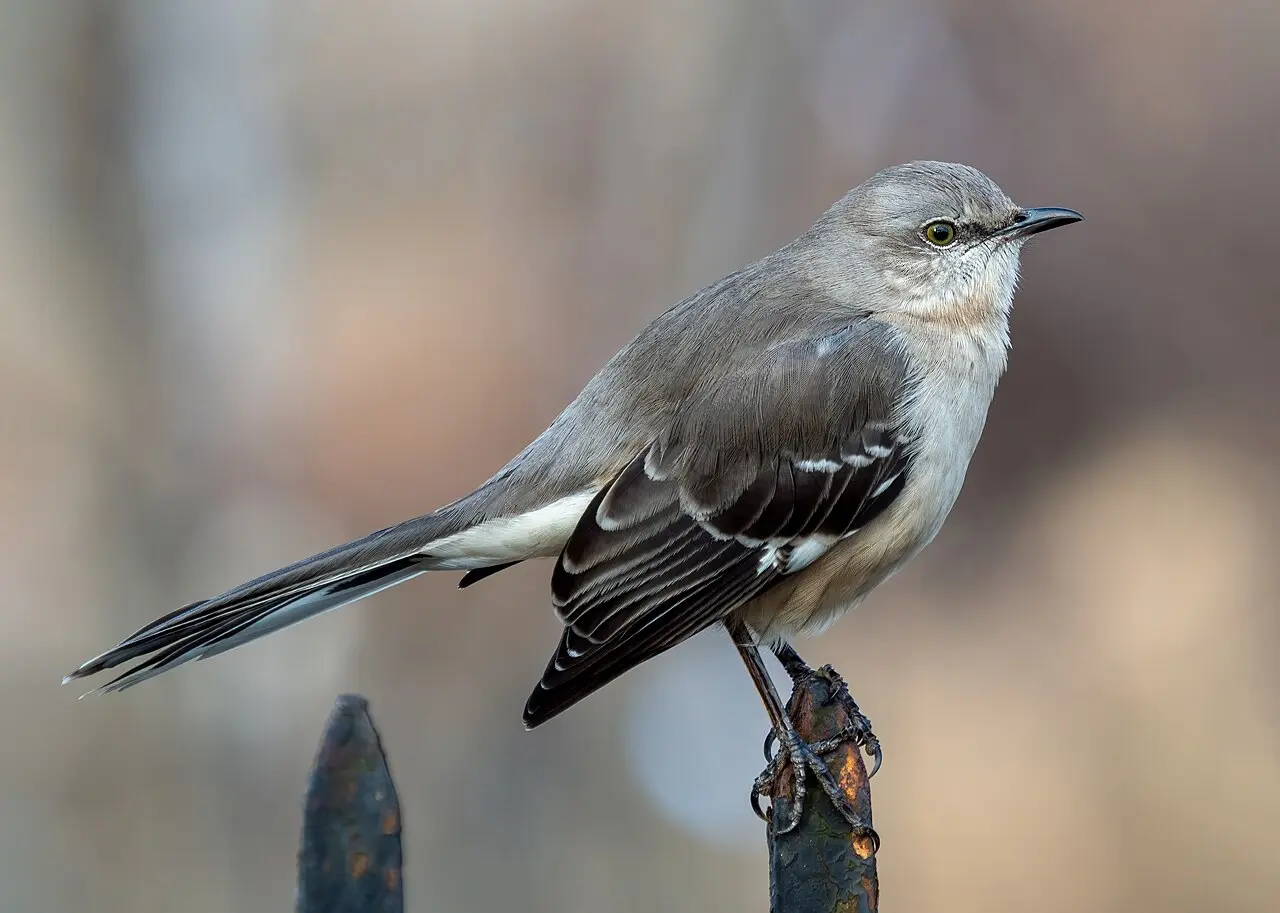

The capital: Austin
The capital of Texas is Austin, chosen by the Republic of Texas in 1839 on a site along the Colorado River around the hamlet of Waterloo. The government left for a few years in the 1840s, during the Archives War, but returned before statehood, and voters confirmed Austin in 1850 and 1872. Its Capitol, built of sunset red granite and finished in 1888, rises 14.64 feet higher than the US Capitol.
- 1839–todayAustin
Where Texas is
Texas shares a border with 4 states: Arkansas, Louisiana, New Mexico and Oklahoma. It also borders Mexico.
- Land area
- 261,232 sq mi
- Water area
- 7,365 sq mi
- Population density
- 121.4 people per sq mi (22nd)
Texas trivia
- When Alaska became a state in 1959, the state song's line "Largest and grandest" was changed to "Boldest and grandest."Source: Texas State Historical Association
- Texas law makes it a misdemeanor to make pecans fall from a tree, by thrashing or any other means, on land you do not own without written permission, punishable by a fine of $5 to $300, up to three months in county jail, or both.Source: Texas Legislature
- Texas has paid for the land under its Capitol three times, most recently $20,000 in 1926 to heirs who proved an older claim.Source: Texas State Preservation Board
- The Legislature has designated official state hashtags: #Texas for the state, #TexasToDo for tourism and #txlege for the Legislature.Source: Texas State Library and Archives Commission
- The Texas pledge reads "Honor the Texas flag; I pledge allegiance to thee, Texas, one state under God, one and indivisible".Source: Texas Legislature
- Texas once named sopaipillas and strudel as official state pastries, but only until January 31, 2005.Source: Texas Legislature Online
Questions about Texas
- What is the capital of Texas?
- Austin, chosen as the capital of the Republic of Texas in 1839. Houston, the largest city, was an earlier capital of the Republic.
- What does the name Texas mean?
- It comes from a word of the Hasinai and other Caddo peoples meaning "friends" or "allies." Spanish visitors wrote it down as tejas and other spellings. The state motto, "Friendship," echoes it.
- Why is Texas called the Lone Star State?
- For the single star on Texas flags, first officially used on the Republic's 1836 Burnet flag and then on the 1839 Lone Star Flag. The nickname became official in 2015.
- Was Texas its own country?
- Yes. The Republic of Texas declared independence from Mexico in 1836 and was an independent nation until it was annexed by the United States and admitted as a state on December 29, 1845.
- Is the Texas Capitol taller than the US Capitol?
- Yes. Measured to the star held by the Goddess of Liberty on top, it rises 302.64 feet, 14.64 feet more than the US Capitol.
Photo credits (4)
- Flag of Texas: Paul B. Joiner, Public domain, via Wikimedia Commons
- Northern mockingbird: Rhododendrites, CC BY-SA 4.0, via Wikimedia Commons
- Bluebonnet: Dave Whitinger, CC BY-SA 3.0, via Wikimedia Commons
- Pecan: James St. John, CC BY 2.0, via Wikimedia Commons
Sources
- Annexation Timeline Texas State Library and Archives Commission · statehood
- Capitals (Handbook of Texas Online) Texas State Historical Association · capital
- Capitol (Handbook of Texas Online) Texas State Historical Association · capital
- Texas, Origin of Name Texas State Historical Association (Handbook of Texas)
- Texas State Symbols Texas State Library and Archives Commission
- Government Code Chapter 3101, State Symbols Texas Legislature
- US Census Bureau Vintage 2025 population estimates; 2010 state area measurements