Massachusetts
The Bay State
Massachusetts became the sixth state on February 6, 1788. Its capital and largest city is Boston, the seat of government since 1630, and its 1780 constitution is the oldest written constitution still in use anywhere in the world. Officially a commonwealth, Massachusetts is known as the Bay State, and its residents are officially Bay Staters.
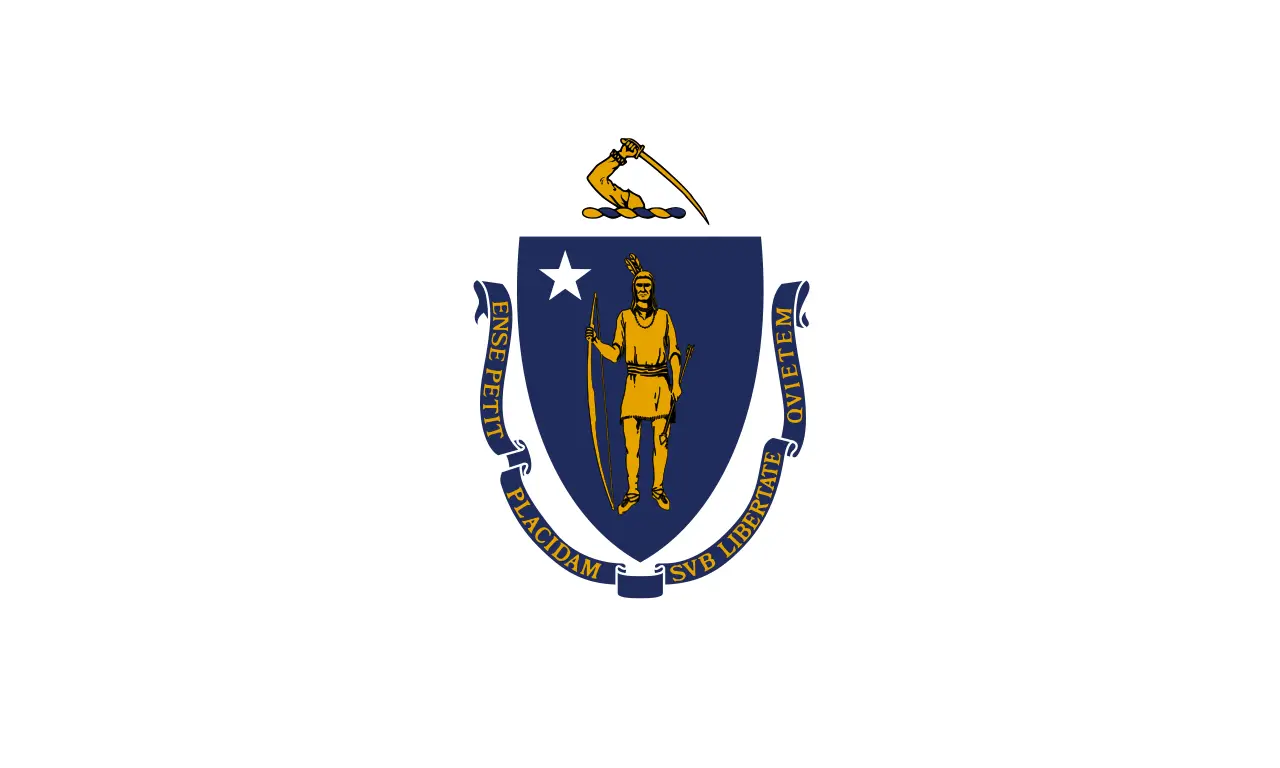
- Capital
- BostonCapital since 1630
- Statehood
- February 6, 17886th state
- Population, 2025
- 7,154,08416th of 50
- Area
- 10,554 sq mi44th largest · 27,336 km²
- Largest city
- Boston672,973 people
- Abbreviation
- MAUS Postal Service code
- Motto
- Ense petit placidam sub libertate quietem“By the sword we seek peace, but peace only under liberty”
- Borders
- 5 statesOcean coast
Pilgrims and Puritans
Massachusetts was one of the first English colonies in North America. The Pilgrims landed at Plymouth in 1620, and ten years later Puritan colonists of the Massachusetts Bay Company founded Boston. The two colonies were united in 1691. Massachusetts was at the heart of the American Revolution: the Boston Massacre, the Boston Tea Party and the first battles of the war, at Lexington and Concord in April 1775, all happened there. In 1780 Massachusetts adopted a constitution drafted largely by John Adams, which is still in force, the oldest written constitution in use anywhere in the world. On February 6, 1788, Massachusetts ratified the US Constitution, the sixth state to do so.
The name
Massachusetts is named for the Massachusett people, an Algonquian-speaking tribe who lived around the Great Blue Hill, south of Boston. The Secretary of the Commonwealth gives the usual reading of their name as roughly “at or about the great hill,” though other explanations have been offered over the centuries.
The Bay State
Massachusetts is officially the Commonwealth of Massachusetts, a term John Adams chose for the 1780 constitution. Its best-known nickname, the Bay State, recalls the colonial Massachusetts Bay Colony; from 1776 to 1780 the state’s official name was the State of Massachusetts Bay. No law names the nickname, but a 1990 law makes “Bay Staters” the official name for residents. Older nicknames include the Old Colony State, the Puritan State and the Baked Bean State.
The state motto is Latin: Ense petit placidam sub libertate quietem, “By the sword we seek peace, but peace only under liberty,” adopted in 1775.
Boston and its golden dome
Boston has been the capital since its founding in 1630, except for about 18 months in 1775 and 1776, when the British occupied the city and the government met in Watertown. Since 1798 the government has worked in Charles Bulfinch’s State House on Beacon Hill, whose dome was sheathed in copper by Paul Revere’s company and is now covered in gold leaf. The capital page tells the story.
A very long list of symbols
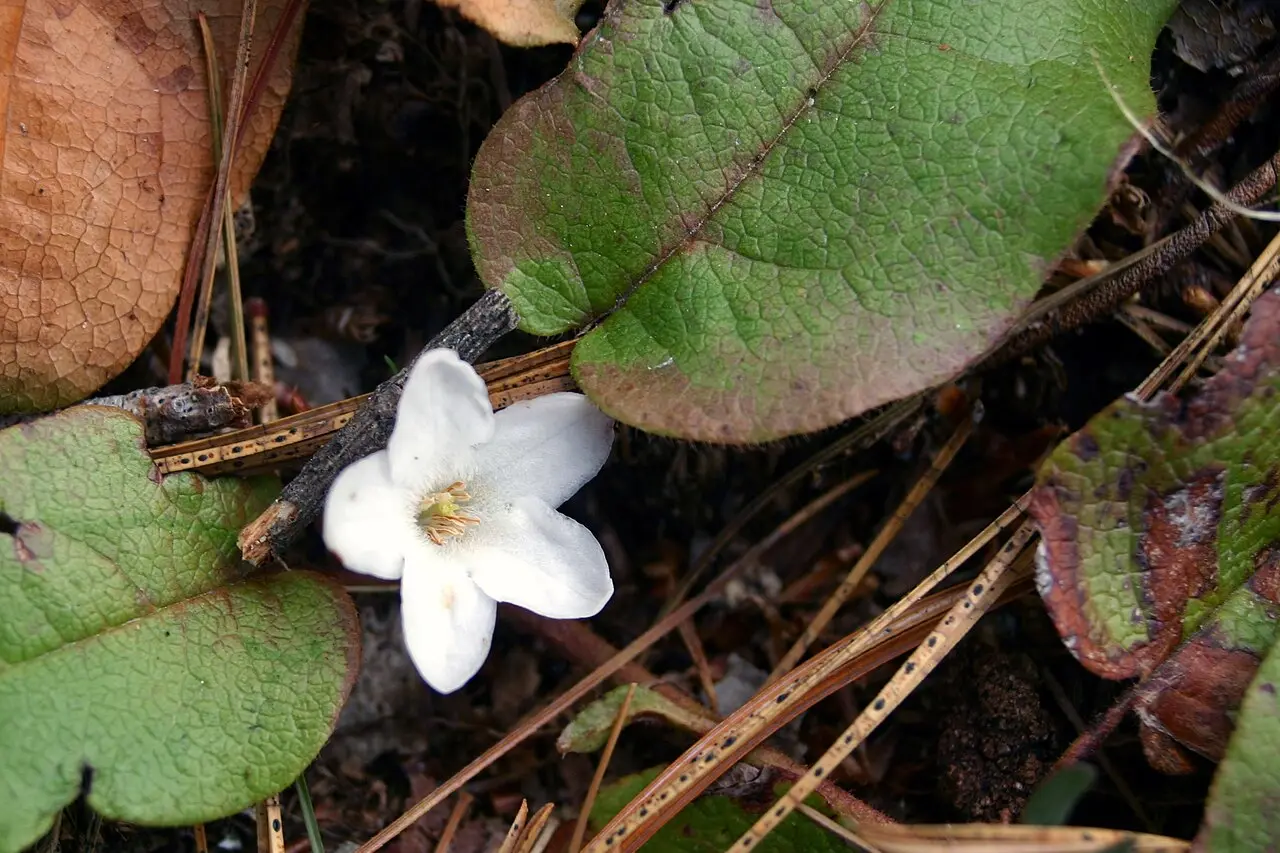
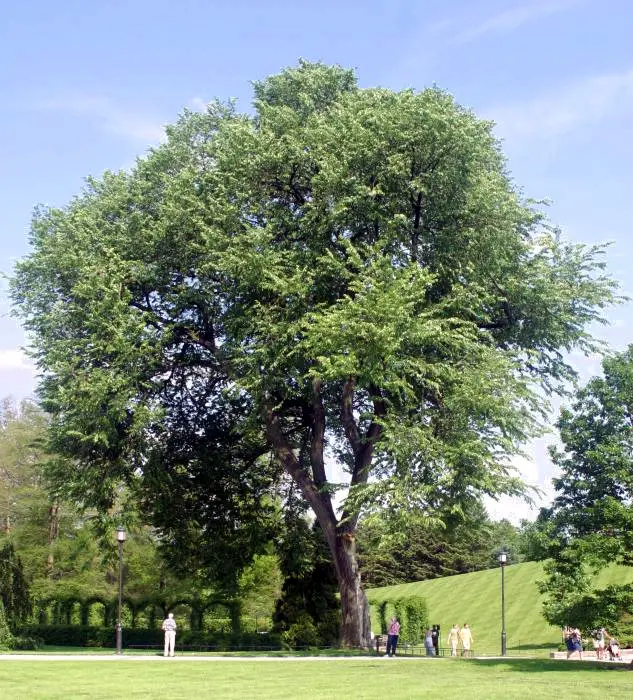
Massachusetts has about 65 official symbols, one of the longest lists in the country, and schoolchildren proposed many of them. Some are expected: the mayflower is the state flower, the black-capped chickadee the state bird and the American elm the state tree, chosen because George Washington took command of the Continental Army under an elm in Cambridge. The Atlantic cod, the fish that built New England’s economy, is the state fish, and a carved wooden cod, the “Sacred Cod,” hangs in the House chamber. Others are more surprising: an official state dinosaur, a state muffin, a state donut, a state cookie, a state children’s book, Make Way for Ducklings, an official groundhog and two official sports, basketball and volleyball, both invented in Massachusetts. See every symbol on the Massachusetts symbols page.
The flag shows the state coat of arms on white. A state commission has been considering a new flag and seal since 2021, but no change has been made.
Land and people
Massachusetts covers 10,554 square miles, 44th among the states, and had about 7.15 million residents in 2025, 16th in the country and third in population density. It borders New Hampshire, Vermont, New York, Connecticut and Rhode Island, and its Atlantic coast includes Cape Cod and the islands of Martha’s Vineyard and Nantucket. Boston, with about 673,000 people, is the largest city, followed by Worcester, Springfield, Cambridge and Lowell.
Massachusetts state symbols
All 65 official symbols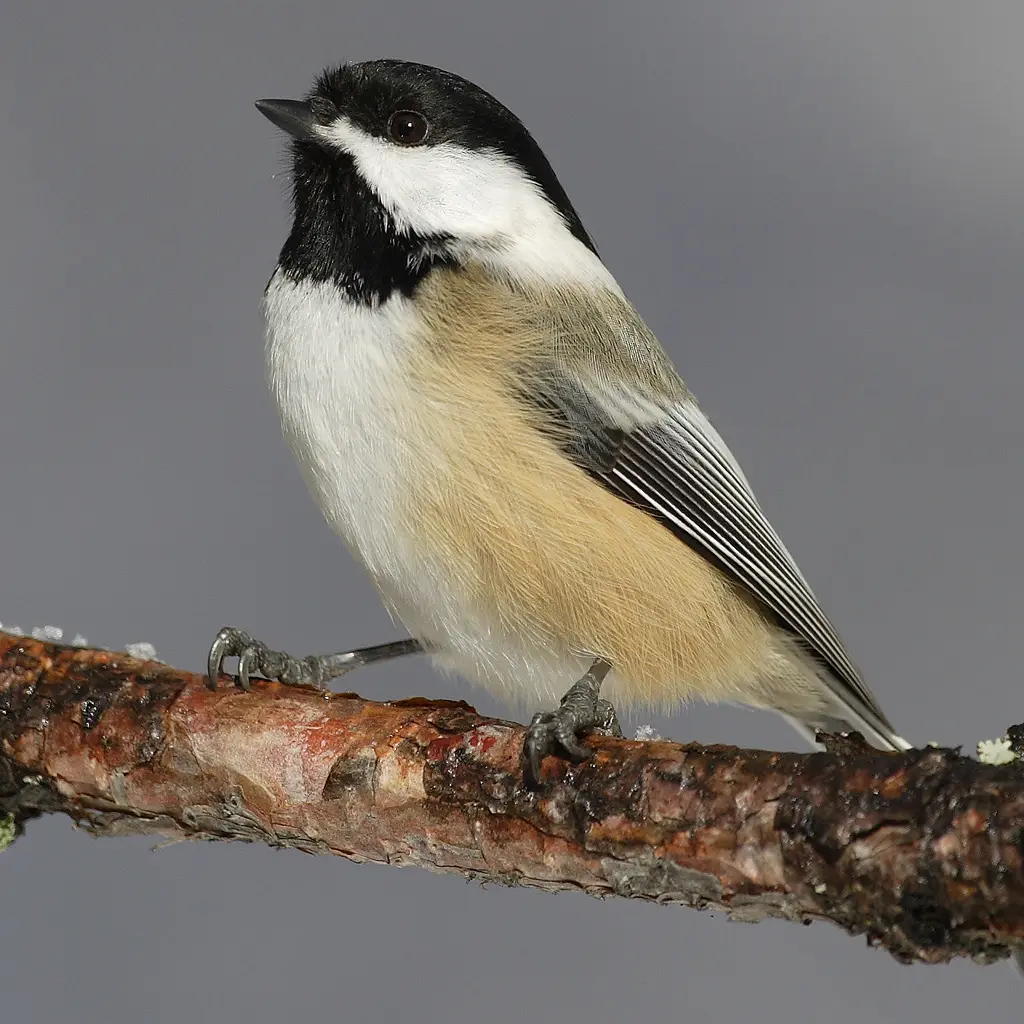
The capital: Boston
The capital of Massachusetts is Boston, the seat of government since the Puritans founded the town in 1630. The only interruption came during the Revolution, when British troops occupied Boston and the government met in Watertown for about 18 months. Since 1798 the government has worked in the State House on Beacon Hill, whose dome is covered in gold leaf.
- 1776–todayBoston
Where Massachusetts is
Massachusetts shares a border with 5 states: Connecticut, New Hampshire, New York, Rhode Island and Vermont.
- Land area
- 7,800 sq mi
- Water area
- 2,754 sq mi
- Population density
- 917.2 people per sq mi (3rd)
Massachusetts trivia
- A wooden carving of a codfish, the "Sacred Cod", hangs in the House chamber, and the Senate answered with a fish worked into its chandelier, nicknamed the "Holy Mackerel".Source: Secretary of the Commonwealth, Citizen Information Service (State Library of Massachusetts repository)
- The State House dome was painted dark gray during World War II so it would not reflect light toward enemy ships or aircraft.Source: Secretary of the Commonwealth, Citizen Information Service (State Library of Massachusetts repository)
- The state flower law sets a higher fine for anyone who digs up mayflowers while in disguise or secretly at night.Source: Onecle (text mirror of M.G.L., last modified 2015)
- The only fossil of the state dinosaur, Podokesaurus holyokensis, was destroyed when Williston Hall at Mount Holyoke College burned in 1917; only casts remain.Source: Mount Holyoke College
- The ceremonial front doors of Doric Hall open only for a departing governor's "Long Walk", visits by a U.S. president or foreign head of state, and the return of regimental flags.Source: Secretary of the Commonwealth, Citizen Information Service (State Library of Massachusetts repository)
- The pine cone on top of the State House dome was carved by John and Simon Skillin, who also carved the first figurehead of USS Constitution.Source: Secretary of the Commonwealth, Citizen Information Service (State Library of Massachusetts repository)
Questions about Massachusetts
- What is the capital of Massachusetts?
- Boston, the capital since its founding in 1630, apart from about 18 months in 1775-1776 when the government moved to Watertown during the British occupation.
- Why is Massachusetts a commonwealth?
- Because John Adams used the word "commonwealth" in the state constitution he drafted in 1780. Legally Massachusetts is a state like any other.
- Why is Massachusetts called the Bay State?
- The nickname recalls the colonial name Massachusetts Bay; from 1776 to 1780 the state was officially the State of Massachusetts Bay. No law names the nickname, but residents are officially called Bay Staters.
- What does Massachusetts mean?
- It comes from the Massachusett people, who lived around the Great Blue Hill south of Boston. The usual reading of the native word is roughly "at or about the great hill."
Photo credits (4)
- Flag of Massachusetts: State of Massachusetts, Public domain, via Wikimedia Commons
- Black-capped chickadee: Mdf, CC BY-SA 3.0, via Wikimedia Commons
- Mayflower: Justin Russell, Public domain, via Wikimedia Commons
- American elm: User Henryhartley on en.wikipedia, CC BY-SA 3.0, via Wikimedia Commons
Sources
- Massachusetts Facts: A Review of the History, Government, and Symbols of the Commonwealth (2019 edition) Secretary of the Commonwealth, Citizen Information Service (State Library of Massachusetts repository) · statehood
- History of Economic Development in Watertown Town of Watertown · capital
- Massachusetts General Laws, Chapter 2 (state emblems) Massachusetts Legislature
- US Census Bureau Vintage 2025 population estimates; 2010 state area measurements