North Dakota
Peace Garden State
North Dakota became a state on November 2, 1889, on the same day as South Dakota, when Dakota Territory was split in two; it is counted as the 39th state. Its capital is Bismarck, the seat of government since 1883, and its largest city is Fargo. North Dakota is officially the Peace Garden State, and with about 800,000 people it is one of the least populous states.
- Capital
- BismarckCapital since 1883
- Statehood
- November 2, 188939th state
- Population, 2025
- 799,35847th of 50
- Area
- 70,698 sq mi19th largest · 183,108 km²
- Largest city
- Fargo136,275 people
- Abbreviation
- NDUS Postal Service code
- Motto
- Liberty and Union Now and Forever, One and InseparableEnglish
- Borders
- 3 statesCanada
Friends and allies
North Dakota takes its name from Dakota Territory, which President James Buchanan created on March 2, 1861, and which was named for the Dakota, or Sioux, people. In the Dakota language the word is generally rendered as “friend” or “allies”; Dakota, Lakota and Nakota are dialect forms of the same name. When the territory was split for statehood in 1889, newspapers floated other names, such as Lincoln, Wheatland and Pembina, but the northern half kept the name North Dakota.
Two states in one day
Dakota Territory’s capital was at first Yankton, in the far southeast. In 1883 the seat of government moved north to Bismarck, where a capitol was already going up. When the territory was divided and both halves were admitted on November 2, 1889, that building simply became North Dakota’s state capitol, while South Dakota built its own at Pierre. North Dakota is counted as the 39th state and South Dakota as the 40th; according to North Dakota Tourism, the order follows the alphabet.
Bismarck and its tower
Bismarck has been the capital ever since. When the original brick capitol burned in December 1930, the state rebuilt on the same hilltop rather than move, and the result was startling: instead of a dome, an Art Deco office tower, built in the depths of the Depression. The capital page tells the story.
Three nicknames
North Dakota’s official nickname, the Peace Garden State, honors the International Peace Garden on the border with the Canadian province of Manitoba. The phrase went on state license plates in 1956 and proved so popular that the Legislative Assembly made it official the next year. Two older nicknames have never been adopted. The Flickertail State refers to the Richardson ground squirrel, which flicks its tail as it runs; a 1953 bill to make the flickertail a state emblem failed. The Rough Rider State recalls Theodore Roosevelt’s Spanish-American War cavalry, which included North Dakota cowboys, but bills to make it the official nickname were defeated in 1971 and 1973.
Mottos and the flag
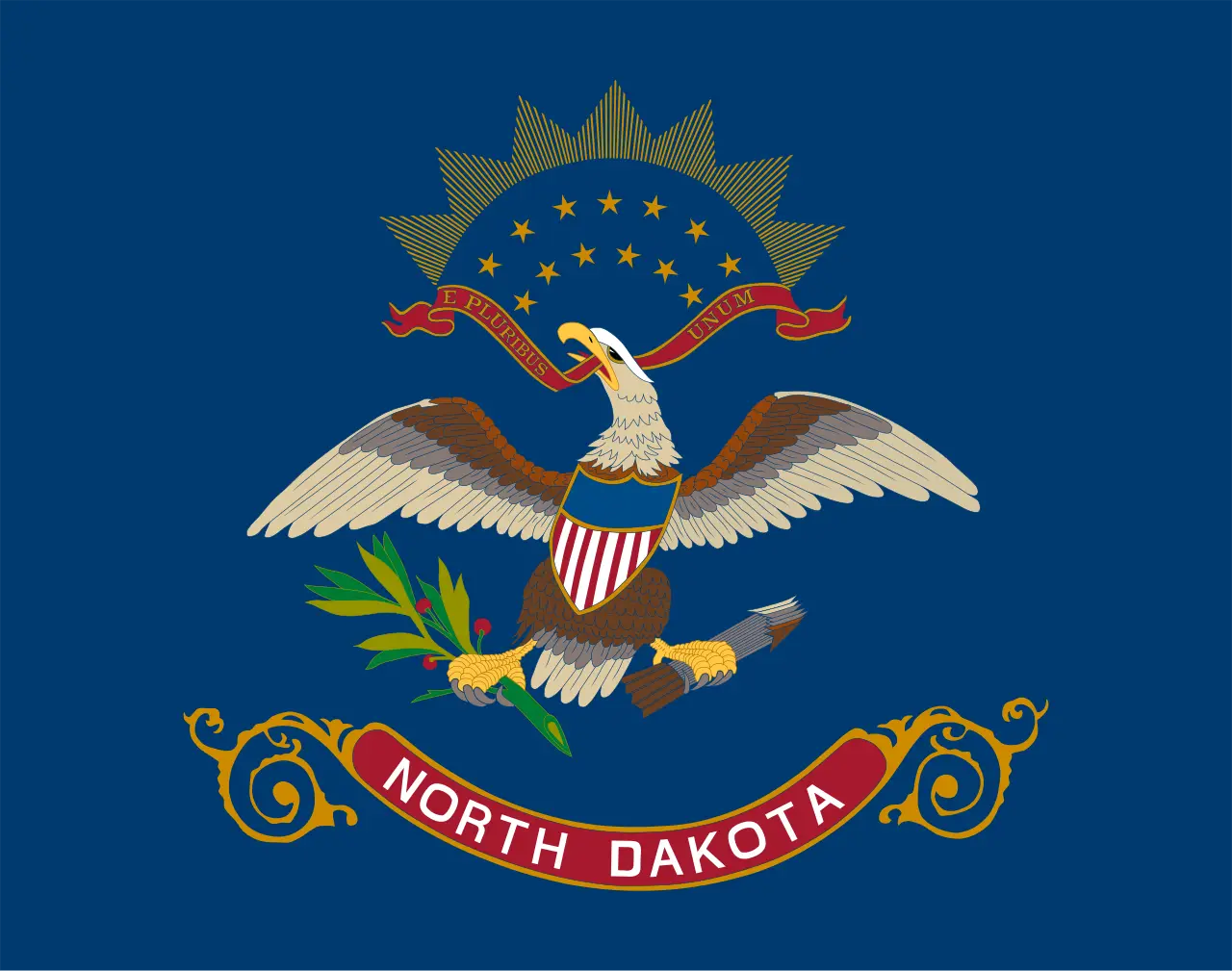
The motto on the state seal is “Liberty and Union Now and Forever, One and Inseparable.” In 2011 the Legislature added a Latin motto alongside it: Serit ut alteri saeclo prosit, “One sows for the benefit of another age.” The state flag is a copy of the blue eagle banner the First North Dakota Infantry carried in the Spanish-American War, with the state’s name on the lower scroll.
Roses, meadowlarks and rhubarb
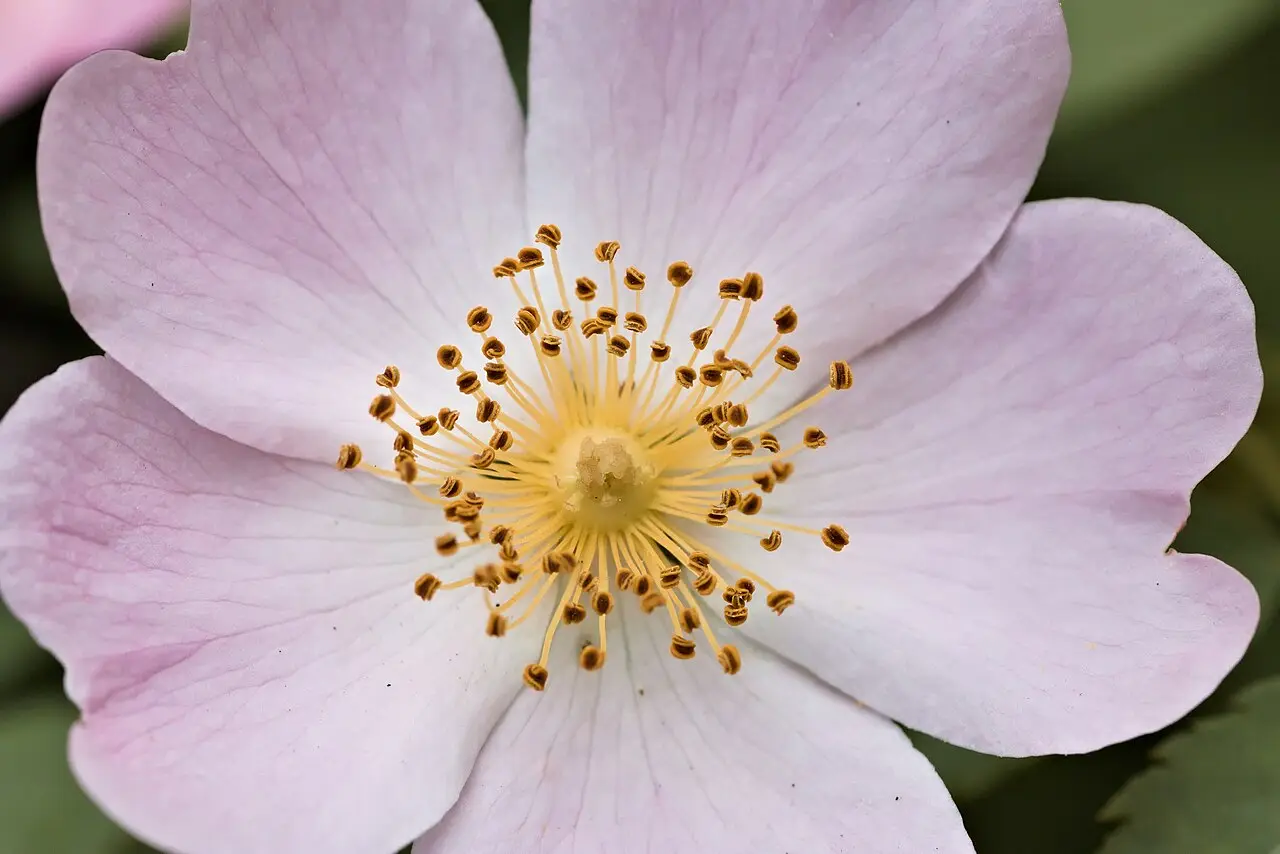
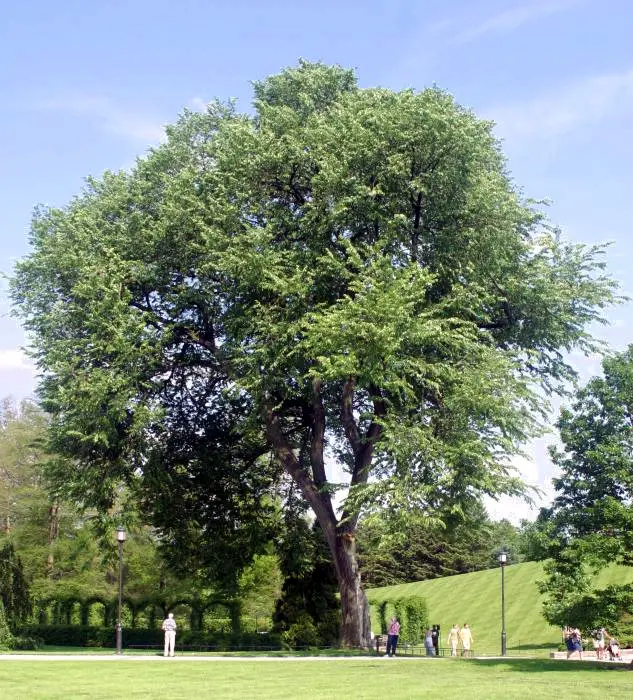
North Dakota has 26 official state symbols. The wild prairie rose became the state flower in 1907, and the western meadowlark the state bird and the American elm the state tree in 1947. The fossil is teredo petrified wood, about 60 million years old and riddled with holes bored by shipworm clams. The Nokota horse, believed to descend from Sitting Bull’s herds, is the honorary state equine, and curling has been the state sport since 2023. A single session in 2025 added a state rock, Knife River flint, a state vegetable, rhubarb, and a state waltz, “Dancing Dakota.” See them all on the North Dakota symbols page.
Land and people
North Dakota covers 70,698 square miles, 19th among the states, but it had only about 799,000 residents in 2025, 47th in the country, with 11.6 people per square mile. It borders Minnesota to the east, South Dakota to the south and Montana to the west, and Canada to the north. Fargo, with about 136,000 people, is the largest city, followed by Bismarck, Grand Forks, Minot and West Fargo.
North Dakota state symbols
All 26 official symbols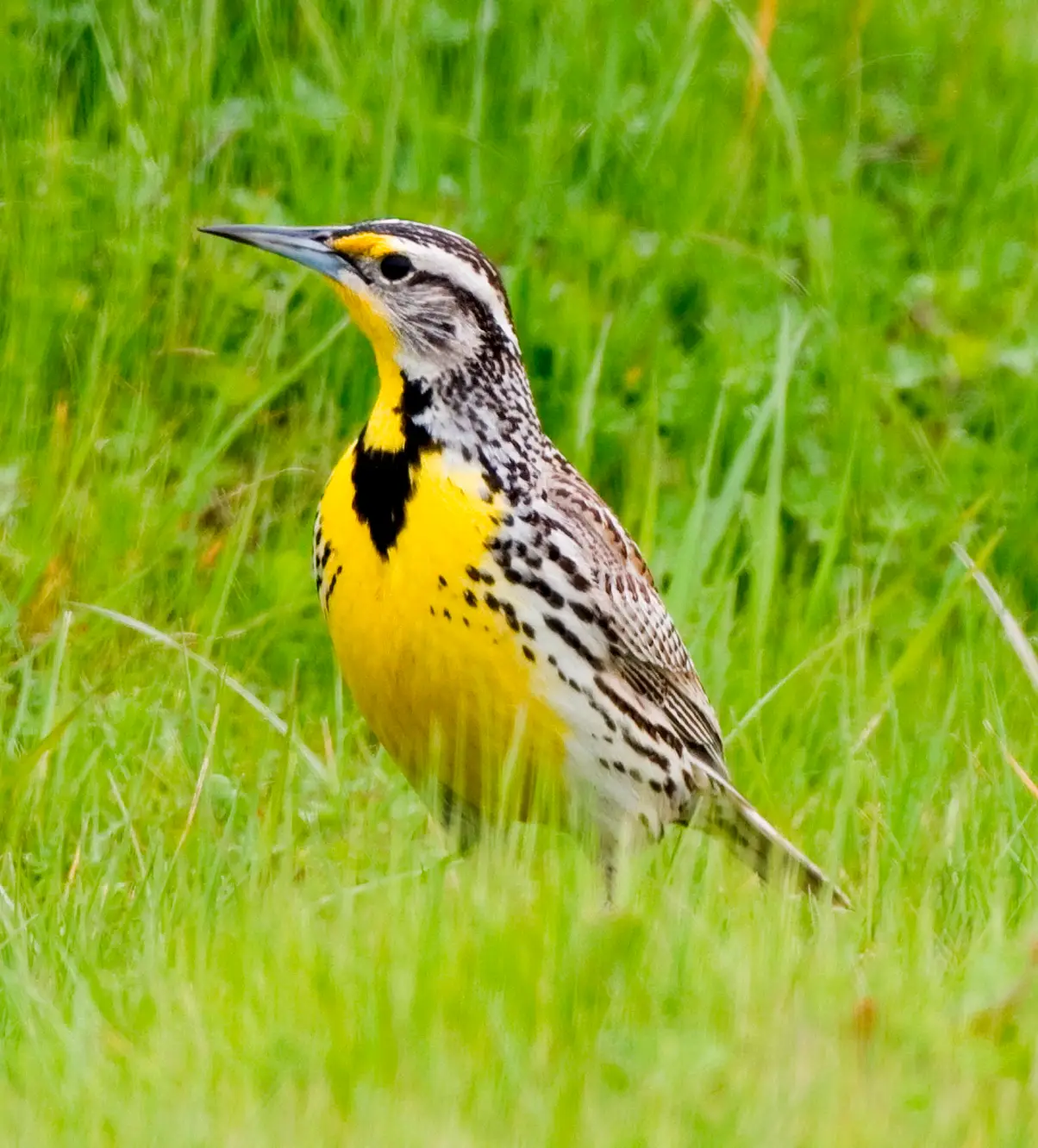
The capital: Bismarck
The capital of North Dakota is Bismarck, the seat of government since 1883, when Dakota Territory's capital moved there from Yankton. At statehood in 1889 the territorial capitol simply became the state capitol. After it burned in 1930, North Dakota built a startling replacement: an Art Deco office tower instead of a dome, finished in 1934 for slightly less than its $2 million budget.
- 1883–todayBismarck
Where North Dakota is
North Dakota shares a border with 3 states: Minnesota, Montana and South Dakota. It also borders Canada.
- Land area
- 69,001 sq mi
- Water area
- 1,698 sq mi
- Population density
- 11.6 people per sq mi (47th)
North Dakota trivia
- The state seal shows an arc of 42 stars, even though North Dakota was only the 39th state.Source: North Dakota Legislative Branch
- North Dakota's capitol was built during the Depression for less than its $2 million appropriation, coming in at $1,984,488.26.Source: State Historical Society of North Dakota
- Detractors nicknamed the new tower capitol "Shafer's silo" after the governor of the day.Source: State Historical Society of North Dakota
- The first state capitol burned on December 28, 1930, after a janitor spotted flames coming from the Senate chamber early on a Sunday morning.Source: State Historical Society of North Dakota
- Both the state fruit (chokecherry) and the state insect (ladybug) were proposed by elementary school students, from Williston and Kenmare respectively.Source: State Historical Society of North Dakota (NDStudies.gov)
- The University of North Dakota's school colors were taken from the wild prairie rose by its first graduating class in 1889, 18 years before the rose became the state flower.Source: State Historical Society of North Dakota (NDStudies.gov)
Questions about North Dakota
- What is the capital of North Dakota?
- Bismarck. The seat of Dakota Territory moved there from Yankton in 1883, and it stayed the capital when North Dakota became a state in 1889.
- Why is North Dakota called the Peace Garden State?
- For the International Peace Garden on the border between North Dakota and Manitoba. The phrase went on license plates in 1956 and became the official nickname in 1957.
- Which came first, North Dakota or South Dakota?
- Both were admitted on the same day, November 2, 1889. North Dakota is usually listed as the 39th state and South Dakota as the 40th; North Dakota Tourism says the order follows the alphabet.
- What does Dakota mean?
- The territory was named for the Dakota people. In the Dakota language the word is generally rendered as "friend" or "allies."
- What is the state motto of North Dakota?
- '"Liberty and Union Now and Forever, One and Inseparable," which appears on the state seal. Since 2011 the state also has a Latin motto, "Serit ut alteri saeclo prosit," "One sows for the benefit of another age."'
Photo credits (4)
- Flag of North Dakota: Unknown authorUnknown author, Public domain, via Wikimedia Commons
- Western meadowlark: Kevin Cole from Pacific Coast, USA (en:User:Kevinlcole), CC BY 2.0, via Wikimedia Commons
- Wild prairie rose: Iurie Nistor, CC0, via Wikimedia Commons
- American elm: User Henryhartley on en.wikipedia, CC BY-SA 3.0, via Wikimedia Commons
Sources
- Part 5: Symbols - Fun Facts State Historical Society of North Dakota (NDStudies.gov) · statehood
- Unit 6, Set 6: Capitol Fire - Introduction State Historical Society of North Dakota · capital
- Unit 6, Set 6: Capitol Fire - New Capitol State Historical Society of North Dakota · capital
- Origin of the Name State of North Dakota
- "Dakota Datebook: Name Game" Prairie Public Broadcasting
- Nicknames State Historical Society of North Dakota
- North Dakota Century Code, Chapter 54-02 (state emblems) North Dakota Legislative Branch
- US Census Bureau Vintage 2025 population estimates; 2010 state area measurements