Iowa
The Hawkeye State
Iowa became the 29th state on December 28, 1846, the first free state admitted west of the Mississippi River. Its capital and largest city is Des Moines, whose gold-domed Capitol has five domes. Iowa is known as the Hawkeye State, a nickname popularized by early newspaper editors, though no law makes it official.
- Capital
- Des MoinesCapital since 1857
- Statehood
- December 28, 184629th state
- Population, 2025
- 3,238,38732nd of 50
- Area
- 56,273 sq mi26th largest · 145,746 km²
- Largest city
- Des Moines212,086 people
- Abbreviation
- IAUS Postal Service code
- Motto
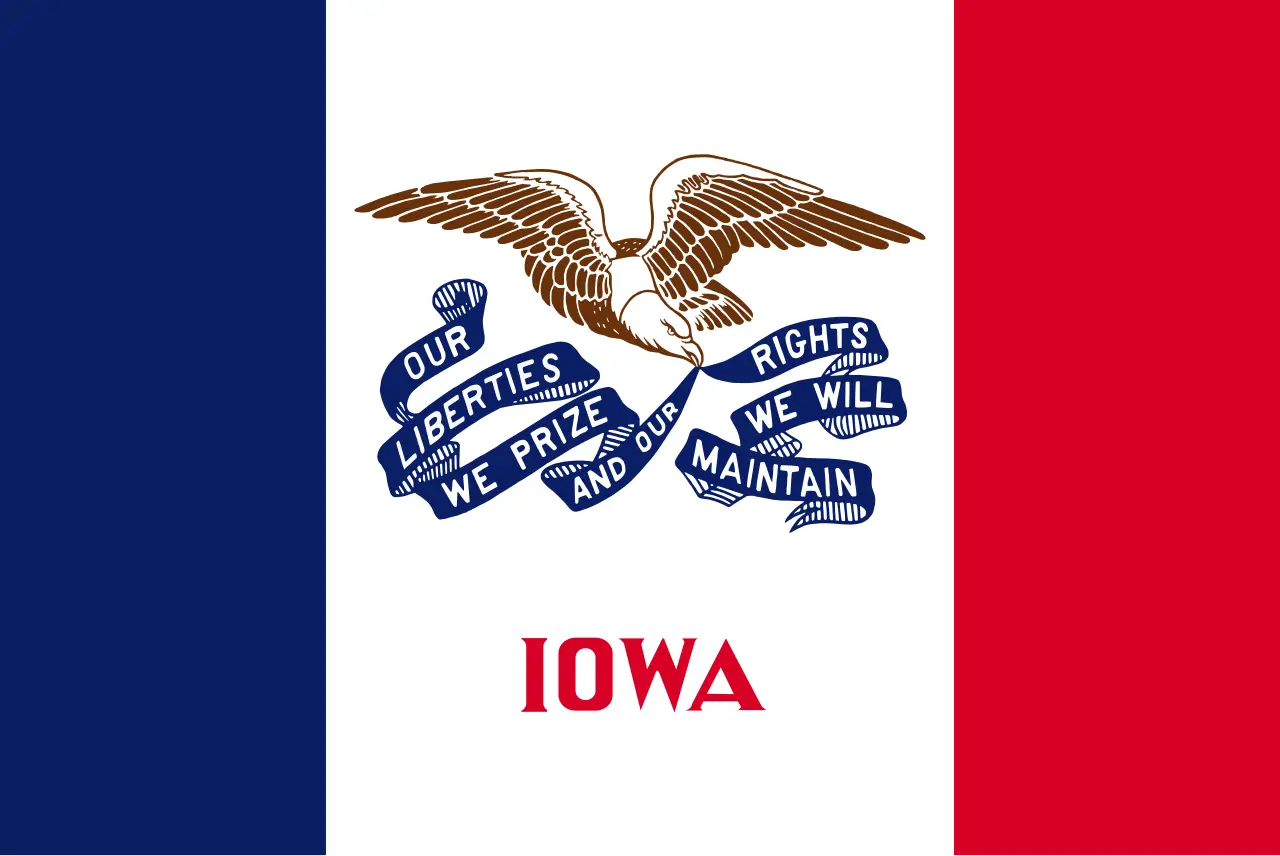
- Our liberties we prize and our rights we will maintainEnglish
- Borders
- 6 statesLandlocked
The first free state west of the Mississippi
Iowa lies between two great rivers, the Mississippi on the east and the Missouri on the west. It was part of the Louisiana Purchase, then of the Michigan and Wisconsin territories, and in 1838 Congress created the Iowa Territory. On December 28, 1846, Iowa became the 29th state, the first free state admitted west of the Mississippi River.
Its commitment to freedom was tested early. In the first case ever decided by the Iowa Territory Supreme Court, on July 4, 1839, the justices freed a Missouri man named Ralph, ruling that no one in the territory could be reduced to slavery.
The name
Iowa is named for the Ioway, a Native American nation that lived in the region. The meaning of the name is uncertain; the state’s official website says it is thought to mean “one who puts to sleep” or “sleepy ones.” The first Europeans to describe the area were the French explorers Jacques Marquette and Louis Jolliet, who passed down the Mississippi in 1673.
Three capitals
Iowa’s government started on the Mississippi at Burlington, the first capital of the Iowa Territory. In 1841 it moved inland to Iowa City, whose stone capitol served as the first state capitol and later passed to the State University of Iowa; today it is the university’s Old Capitol. In 1857 the capital moved farther west, to Des Moines, at the fork of the Des Moines and Raccoon rivers, closer to the middle of the state. The capital page tells the story.
The Hawkeye State
Iowa has long been called the Hawkeye State. According to the state’s Official Register, early newspaper editors and pioneers applied the name and the public took it up, but no law or resolution has ever made it official. The University of Iowa’s teams are the Hawkeyes. The state motto, inscribed on the Great Seal since 1847, is “Our liberties we prize and our rights we will maintain.”
A short list of symbols
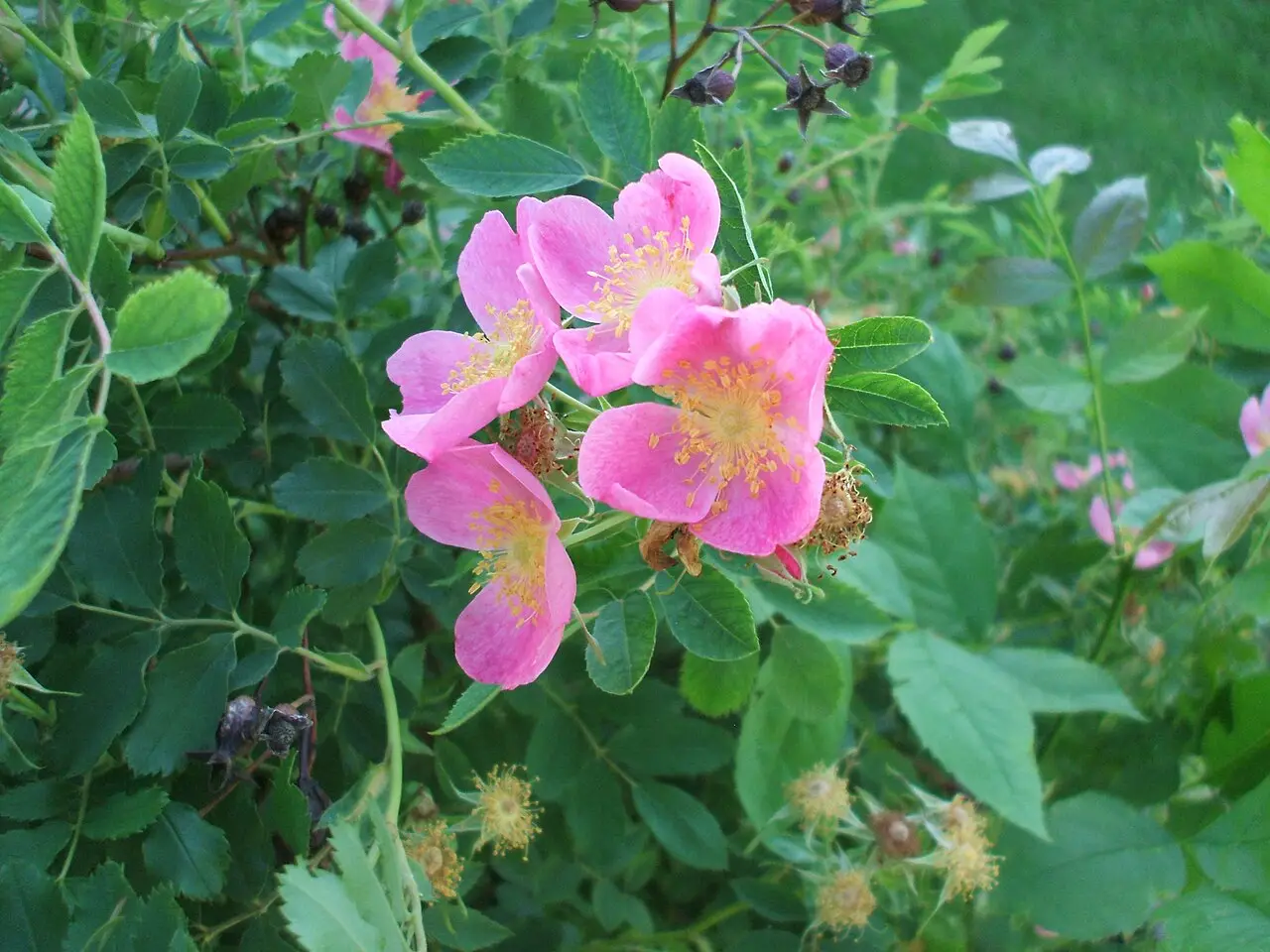
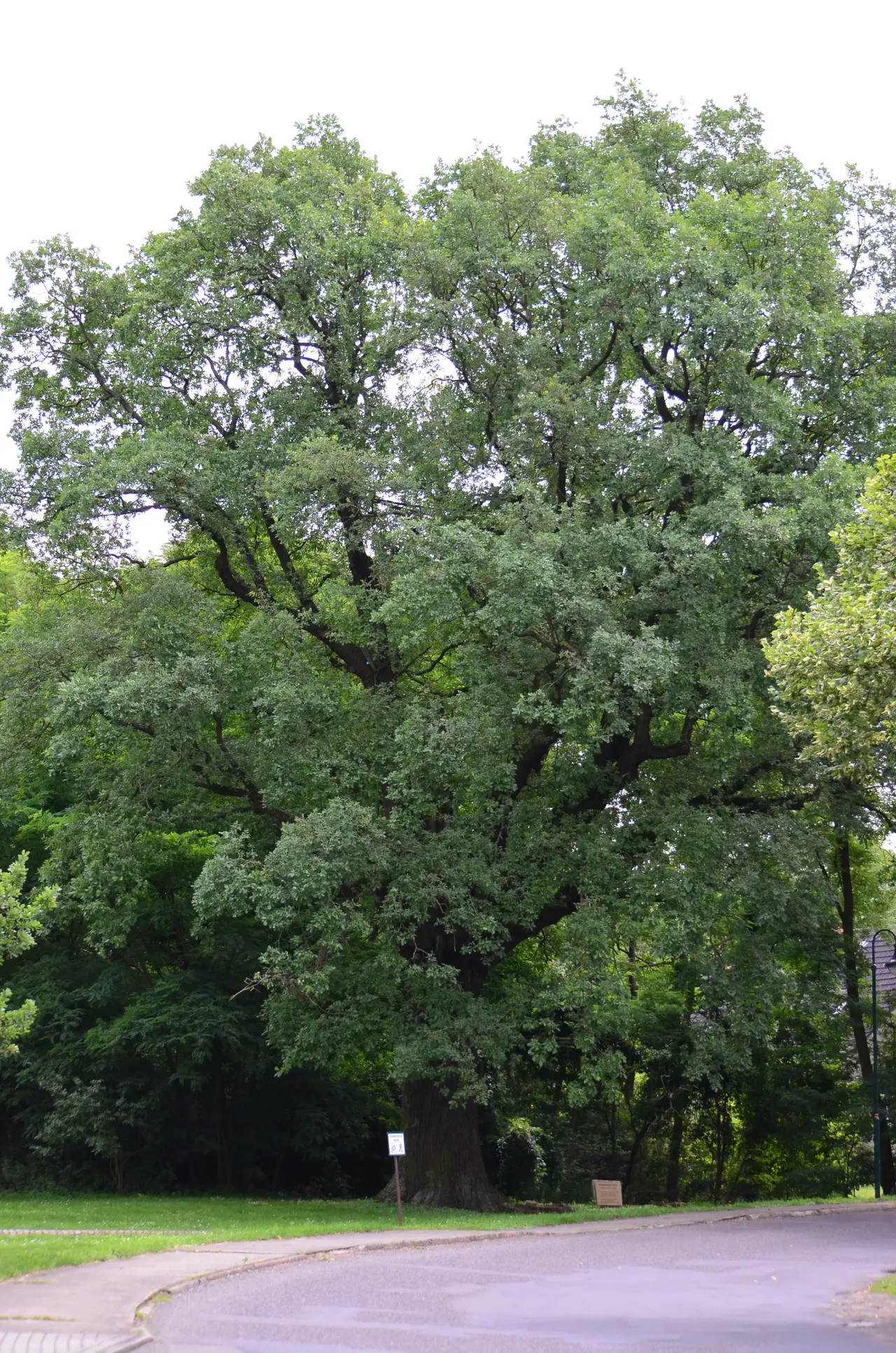
Iowa has only nine official symbols, one of the shortest lists of any state, and most were adopted by resolution rather than by law. The wild rose became the state flower in 1897, because it decorated the silver service Iowa gave to the new battleship USS Iowa that year. The eastern goldfinch, the bright yellow “wild canary,” became the state bird in 1933, partly because many stay in Iowa all winter. The oak is the state tree and the geode the state rock: Iowa is known worldwide for the number of these hollow, crystal-lined rocks found there. See all of them on the Iowa symbols page.
The flag, a blue, white and red tricolor with an eagle, was designed in 1917 and adopted in 1921. The state song, “The Song of Iowa,” was written by S. H. M. Byers, who got the idea as a prisoner in a Confederate prison when he heard bands playing the tune.
Land and people
Iowa covers 56,273 square miles, 26th among the states, much of it some of the richest farmland in the world. It had about 3.24 million residents in 2025, 32nd in the country. It borders Minnesota, Wisconsin, Illinois, Missouri, Nebraska and South Dakota, with the Mississippi River forming its entire eastern border and the Missouri and Big Sioux rivers most of the western one. Des Moines, with about 212,000 people, is the largest city, followed by Cedar Rapids, Davenport and Sioux City.
Iowa state symbols
All 9 official symbols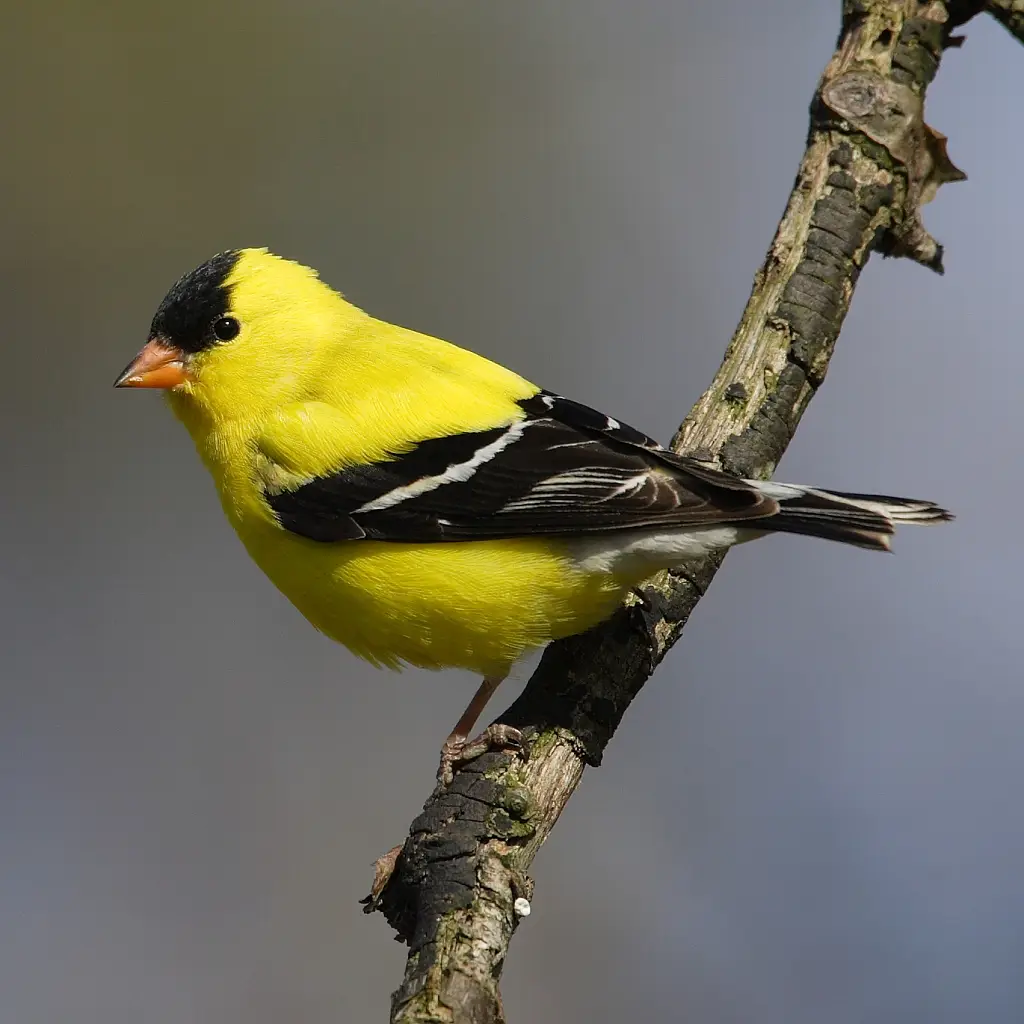
The capital: Des Moines
The capital of Iowa is Des Moines, the seat of government since 1857. It is Iowa's third capital, after Burlington and Iowa City, and the move reflected the state's westward growth. Its Capitol, dedicated in 1884, has a gold-leaf central dome and four smaller domes and stands on land donated by a single early settler.
- 1841–1857Iowa City
- 1857–todayDes Moines
Where Iowa is
Iowa shares a border with 6 states: Illinois, Minnesota, Missouri, Nebraska, South Dakota and Wisconsin.
- Land area
- 55,857 sq mi
- Water area
- 416 sq mi
- Population density
- 58.0 people per sq mi (37th)
Iowa trivia
- State law asks the governor to proclaim March 29, the date the flag was adopted in 1921, as Iowa State Flag Day every year.Source: Iowa Legislature
- The first case ever decided by the Iowa Territory Supreme Court, issued July 4, 1839, freed a Missouri man named Ralph, with the justices declaring that no one in the territory could be reduced to slavery.Source: Iowa Legislative Services Agency
- S. H. M. Byers came up with the idea for The Song of Iowa while a prisoner in Libby Prison, after hearing Confederate bands play the tune as "My Maryland"; he later set loyal words to the same German melody, "O Tannenbaum".Source: Iowa Legislative Services Agency
- A fire in the Capitol's north wing on January 4, 1904 wrecked the House chamber while the building was being modernized.Source: Iowa Legislative Services Agency
- Iowa's stone in the Washington Monument carries an inscription by Lt. Gov. Enoch W. Eastman comparing the state's loyalty to the Union to the rivers along its borders.Source: State of Iowa (Superintendent of Printing); hosted by the Iowa Legislature
Questions about Iowa
- What is the capital of Iowa?
- Des Moines. Governor James W. Grimes proclaimed it the capital in 1857, replacing Iowa City.
- Why is Iowa called the Hawkeye State?
- Early newspaper editors and pioneers used the name, and the public took it up. No law or resolution makes it official, and its exact origin is uncertain.
- What does Iowa mean?
- Iowa is named for the Ioway people. The state says the tribal name is thought to mean "one who puts to sleep" or "sleepy ones," though its meaning is uncertain.
- What is the Iowa state motto?
- "Our liberties we prize and our rights we will maintain," inscribed on the Great Seal since 1847 and on the state flag.
Photo credits (4)
- Flag of Iowa: Unknown author, Public domain, via Wikimedia Commons
- Eastern goldfinch: Mdf, CC BY-SA 3.0, via Wikimedia Commons
- Wild rose: Alexwcovington, CC BY-SA 3.0, via Wikimedia Commons
- Oak: WikiVagant, CC BY-SA 4.0, via Wikimedia Commons
Sources
- Iowa Official Register 1957-1958 (Forty-seventh Number), "The State of Iowa" State of Iowa (Superintendent of Printing); hosted by the Iowa Legislature · statehood
- Iowa Official Register, Chapter 8: Iowa Profile (State Capitol) Iowa Legislative Services Agency · capital
- About Iowa State of Iowa
- US Census Bureau Vintage 2025 population estimates; 2010 state area measurements