Vermont
The Green Mountain State
Vermont became the 14th state on March 4, 1791, the first to join the Union after the original thirteen. For the 14 years before that it governed itself under its own constitution, which banned slavery. Its capital, Montpelier, the seat of government since 1808, is the smallest state capital in the country, with fewer than 8,000 people. Vermont's name means "Green Mountain," and its motto is "Freedom and Unity."
- Capital
- MontpelierCapital since 1808
- Statehood
- March 4, 179114th state
- Population, 2025
- 644,66349th of 50
- Area
- 9,616 sq mi45th largest · 24,906 km²
- Largest city
- Burlington44,019 people
- Abbreviation
- VTUS Postal Service code
- Motto
- Freedom and UnityEnglish
- Borders
- 3 statesCanada
Green Mountain
Vermont is a coined name, meant to render “Green Mountains” in French, from vert and mont, honoring the range that runs the length of the state and the Green Mountain Boys. The earliest documented use is an April 11, 1777, broadside from Philadelphia by Dr. Thomas Young, addressed “To the Inhabitants of Vermont, a Free and Independent State.” The new state had nearly been called New Connecticut. Later stories crediting French explorers or a clergyman’s christening of “Verd-Mont” in 1763 have no support in the record, and a 1786 petition signed by Thomas Chittenden, Ethan Allen and Joseph Fay credited Young with the name.
Fourteen years on its own
Vermont did not start as one of the thirteen colonies. In 1777 it declared itself an independent state and adopted its own constitution while both New York and New Hampshire claimed its land. That constitution banned slavery and dropped property requirements for male voters. Vermont governed itself for 14 years until a state convention ratified the US Constitution on January 10, 1791, and Congress admitted it as the 14th state on March 4, 1791. The state’s Latin motto, adopted in 2015, recalls that place in line: Stella quarta decima fulgeat, “May the 14th star shine bright.”
Montpelier
For its first three decades Vermont’s legislature had no fixed home and met in more than a dozen towns, among them Windsor, Bennington and Rutland. In 1805 it made Montpelier its permanent seat, on condition that the town finish a capitol by 1808, and lawmakers have met there ever since. Montpelier is the smallest state capital in the country, and its State House, with a gilded dome and chambers still in their original condition, is a National Historic Landmark. The capital page tells the story.
Freedom and Unity
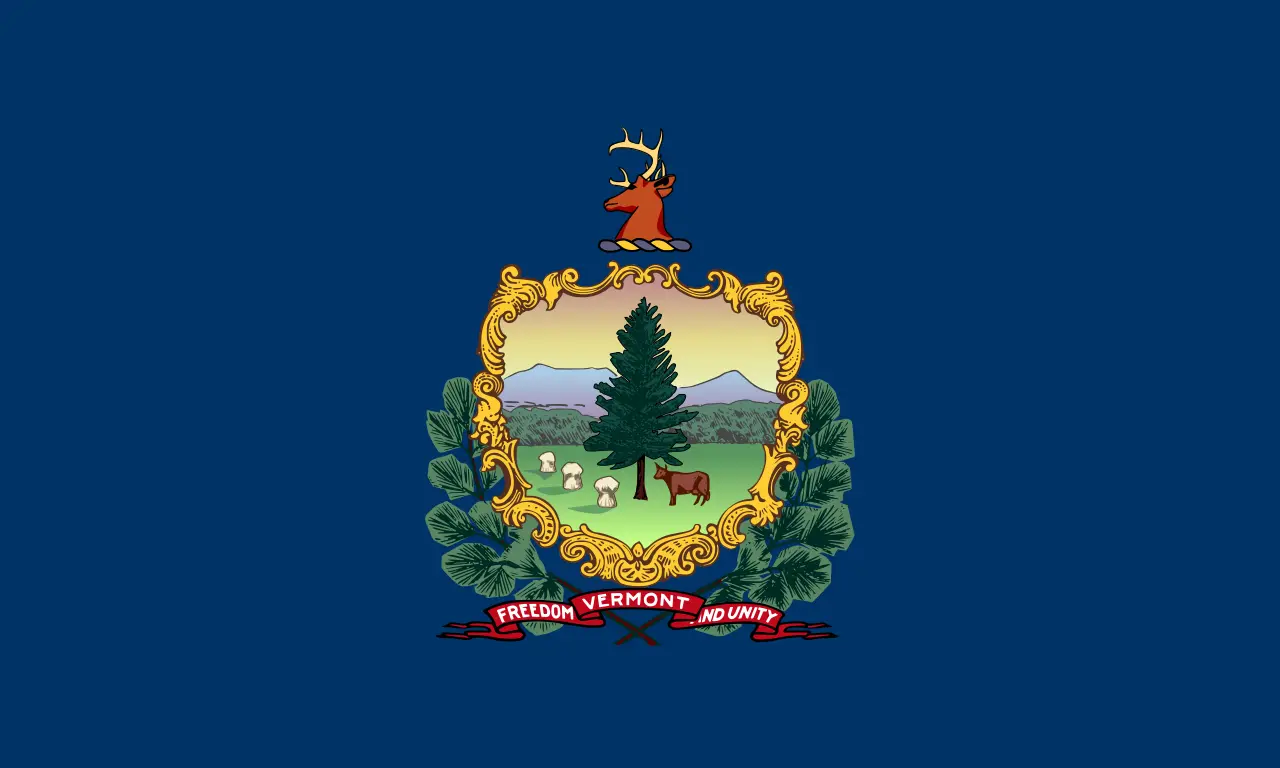
The motto, “Freedom and Unity,” is part of the state’s coat of arms and seal. The seal, designed by Ira Allen and accepted in 1779, shows a pine tree with a sheaf of grain and a cow among wooded hills, and the coat of arms, on the blue state flag since 1923, adds blue mountains, a buck’s head and crossed pine branches.
Maple, clover and the Morgan horse
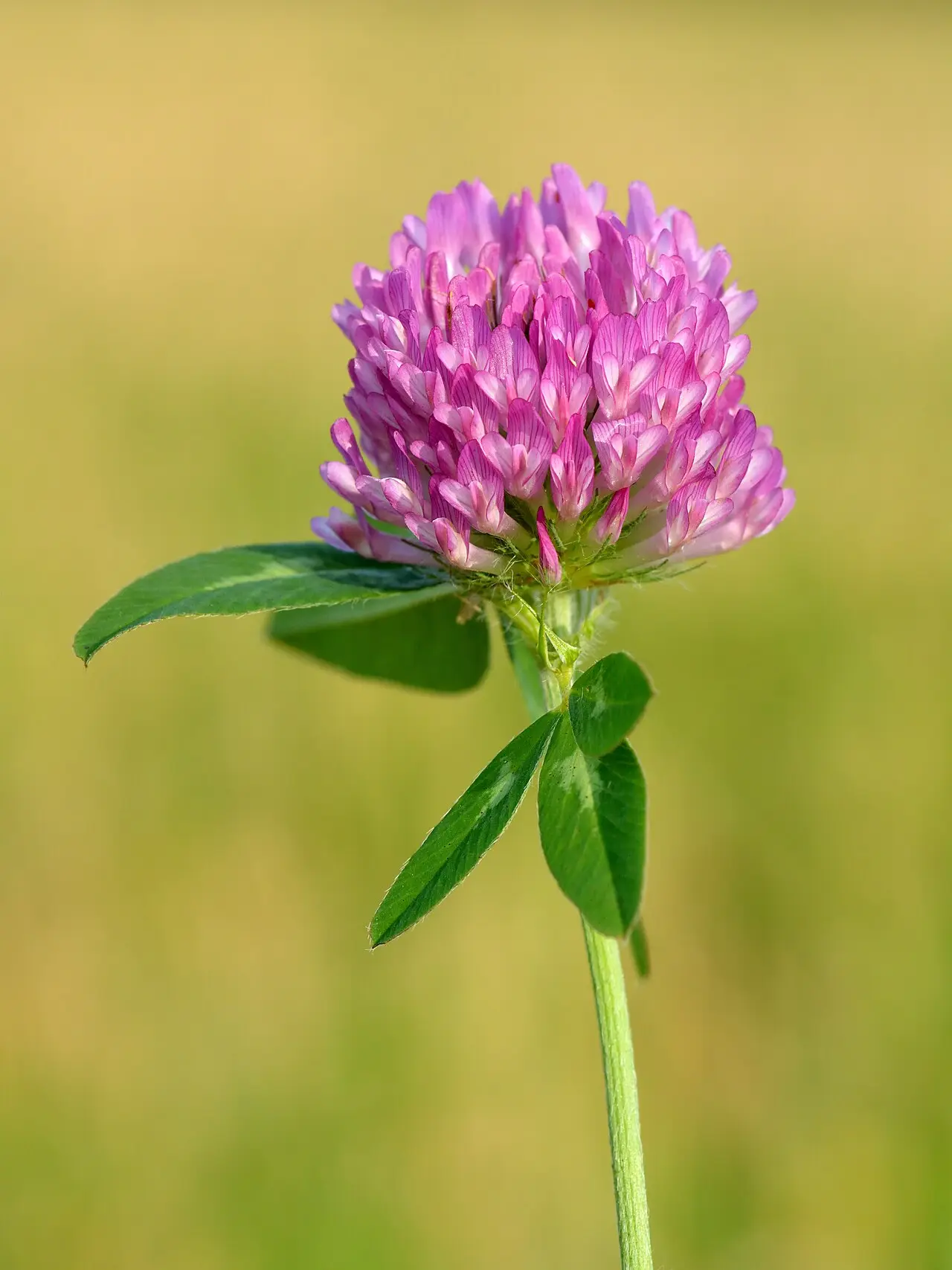
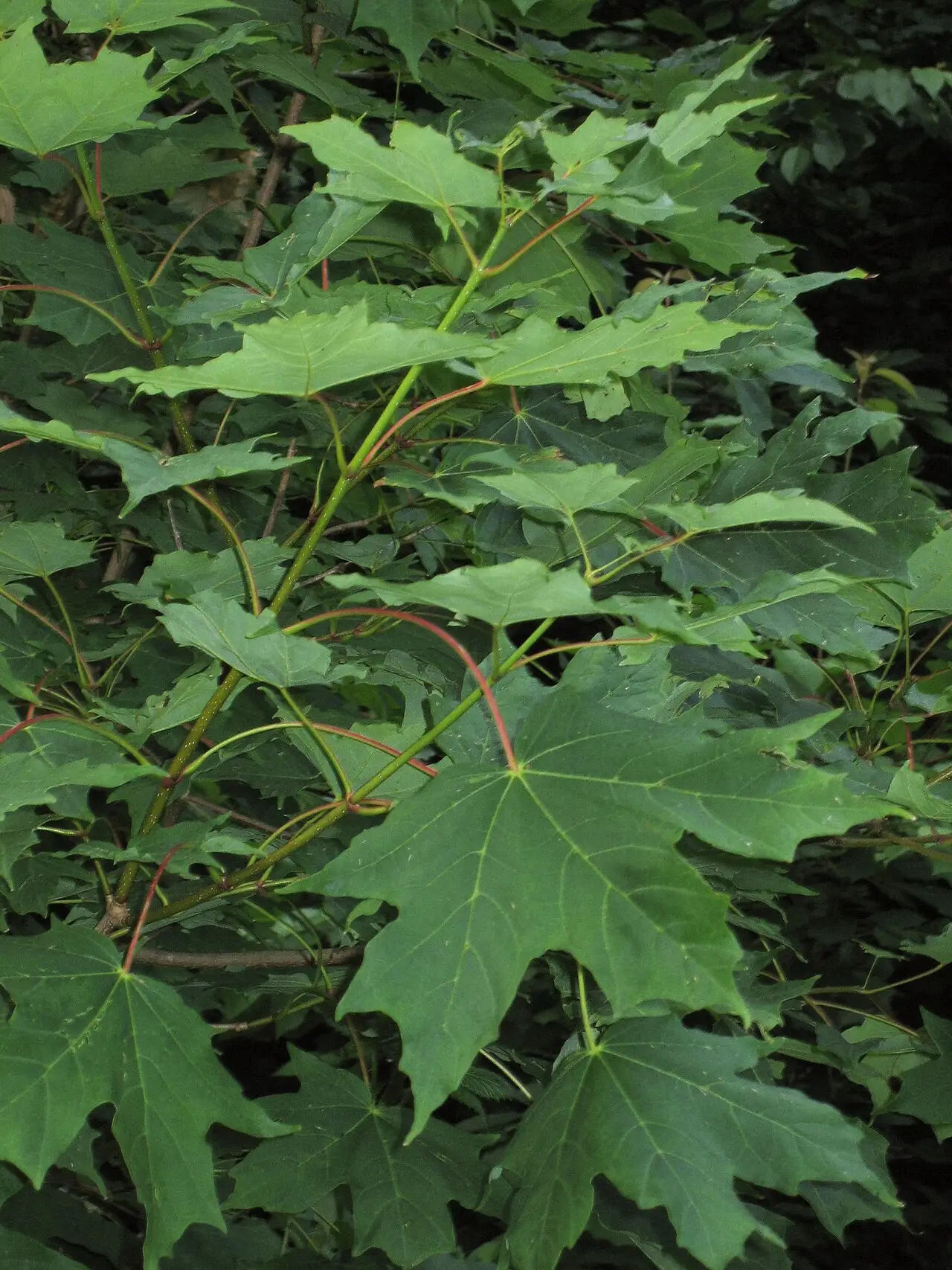
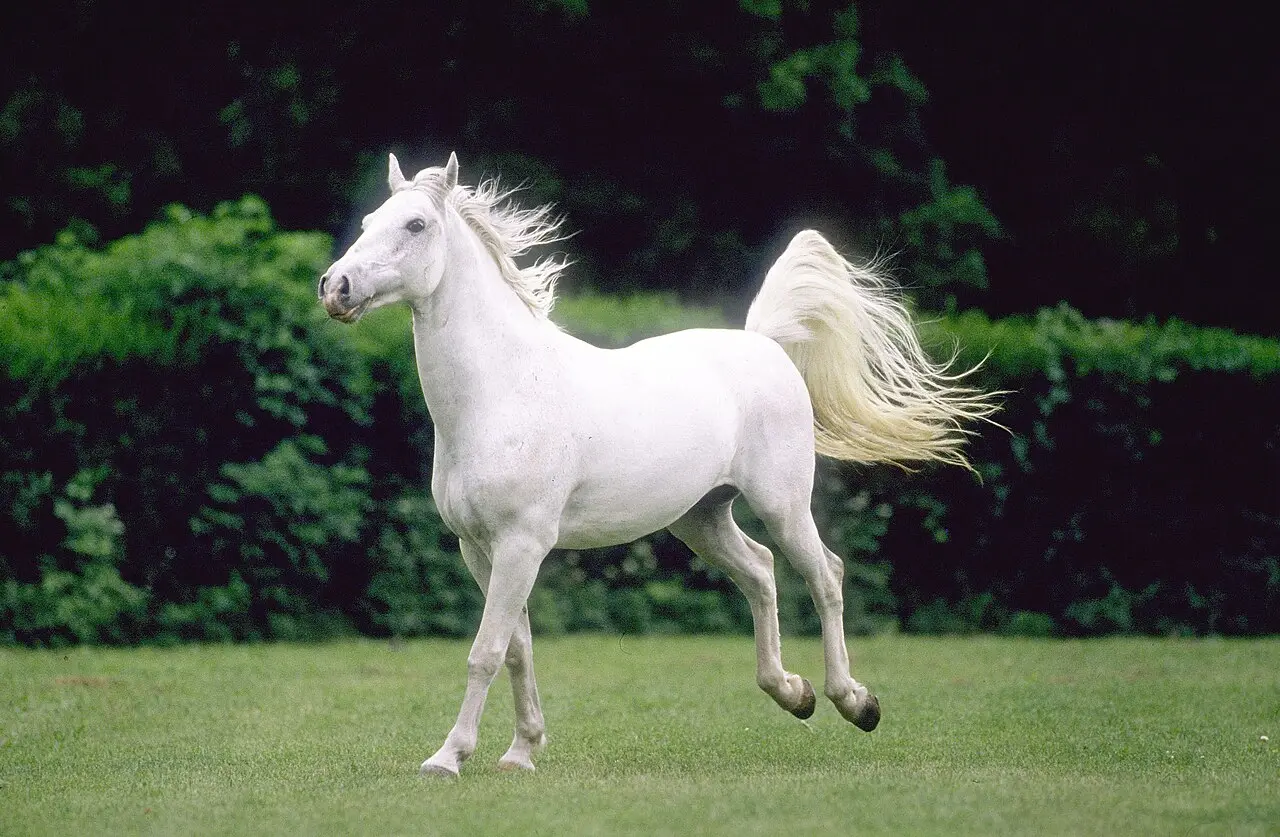
Vermont has 31 official state symbols, many tied to its farms and forests. The sugar maple is the state tree and maple, from the Vermont sugar maple, the official state flavor. The hermit thrush is the state bird, the red clover, a nod to the state’s dairy heritage, the state flower, and the Morgan horse the state animal. Milk is the state beverage, apple pie the state pie and the Gilfeather turnip, bred on a farm in Wardsboro, the state vegetable. Vermont names three state rocks, marble, granite and slate. See them all on the Vermont symbols page.
Land and people
Vermont covers 9,616 square miles, 45th among the states, and had about 645,000 residents in 2025, 49th in the country, ahead only of Wyoming. It borders New York, Massachusetts and New Hampshire, and Canada to the north. Burlington, with about 44,000 people, is the largest city, followed by South Burlington, Rutland, Essex Junction and Winooski.
Vermont state symbols
All 31 official symbols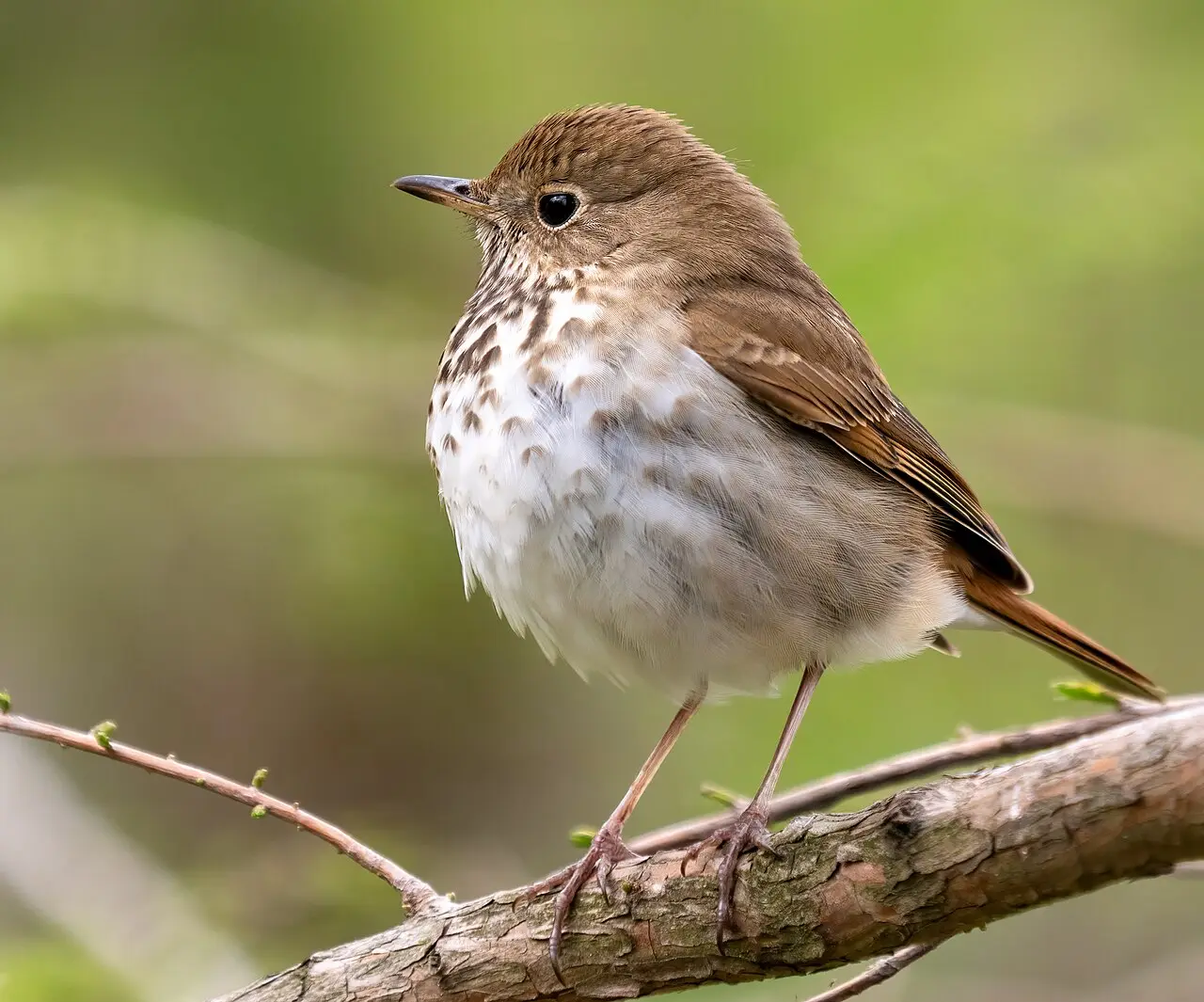
The capital: Montpelier
The capital of Vermont is Montpelier, where the General Assembly has met every session since October 1808. Before that, the legislature had no fixed home and met in 14 different towns, one of them now in New Hampshire. With about 7,800 people, Montpelier is the smallest state capital in the country. Its State House, rebuilt after an 1857 fire, has a gold-leafed dome topped by a statue of Ceres.
- 1778–1808Several towns
- 1808–todayMontpelier
Where Vermont is
Vermont shares a border with 3 states: Massachusetts, New Hampshire and New York. It also borders Canada.
- Land area
- 9,217 sq mi
- Water area
- 400 sq mi
- Population density
- 69.9 people per sq mi (31st)
Vermont trivia
- Before Montpelier was chosen, Vermont's legislature met in more than a dozen towns, and in 1781 it even convened in Charlestown, a town now in New Hampshire.Source: Vermont House Clerk's Office
- Vermont's first state flag, from 1803, had 17 stars and 17 stripes, one for each state in the Union at the time.Source: Vermont Historical Society
- By law the Bennington Battle Flag flies under the U.S. flag at the State House every August 15-17, and the Green Mountain Boys Flag flies there each January 15.Source: Vermont General Assembly
- Vermont has two state fossils, both specific museum specimens: a fossil white whale skeleton at UVM and a mammoth tooth and tusk in Mount Holly.Source: Vermont General Assembly
- Vermont became the sixth U.S. state with an official mushroom when the bear's head tooth was designated in 2024 at the urging of schoolchildren.Source: VTDigger
- The current state song, These Green Mountains, was chosen after a Vermont Arts Council contest that drew more than 100 entries.Source: WCAX
Questions about Vermont
- What is the capital of Vermont?
- Montpelier, where the legislature has met since 1808. With about 7,800 people, it is the smallest state capital in the United States.
- What does Vermont mean?
- It is a coined name meant to render "Green Mountain" in French, from vert and mont, honoring the Green Mountains and the Green Mountain Boys. It first appeared in print in 1777.
- Was Vermont an independent country?
- For 14 years it governed itself as an independent state under its own 1777 constitution, while New York and New Hampshire both claimed its land. It joined the Union as the 14th state in 1791.
- What is Vermont's state motto?
- '"Freedom and Unity." Since 2015 Vermont has also had a Latin motto, "Stella quarta decima fulgeat," "May the 14th star shine bright."'
- What is the largest city in Vermont?
- Burlington, with about 44,000 people.
Photo credits (5)
- Flag of Vermont: User:SimtropolitanOriginal by User:Denelson83, Public domain, via Wikimedia Commons
- Hermit thrush: Rhododendrites, CC BY-SA 4.0, via Wikimedia Commons
- Red clover: Ivar Leidus, CC BY-SA 4.0, via Wikimedia Commons
- Sugar maple: MPF, CC BY 2.5, via Wikimedia Commons
- Morgan horse: Srdjan Živulovič, Attribution, via Wikimedia Commons
Sources
- General Election: United States Representatives Vermont State Archives and Records Administration (Secretary of State) · statehood
- Vermont General Assembly Legislative Sessions 1778-1808 Vermont House Clerk's Office · capital
- Vermont State House (Central Vermont travel itinerary) National Park Service · capital
- The Name Vermont Vermont French-Canadian Genealogical Society (LINKS journal, 1996)
- Vermont Constitution Vermont State Archives and Records Administration
- Vermont State House Vermont State Curator's Office
- Vermont Statutes, Title 1, Chapter 11 (state emblems) Vermont General Assembly
- US Census Bureau Vintage 2025 population estimates; 2010 state area measurements