State trees of all 50 states
Every state has an official tree. Pines are the most common choice, picked by ten states, followed by oaks and maples. Texas was first, naming the pecan in 1919, and Utah made the most recent change in 2014, when it swapped the blue spruce for the quaking aspen.
Every state tree
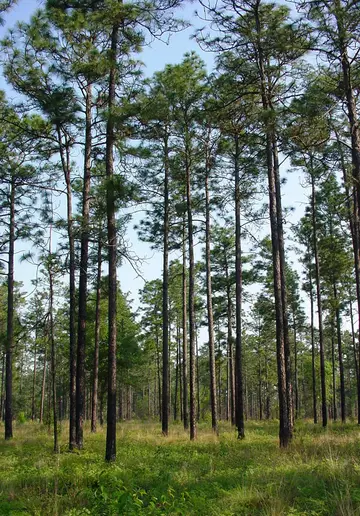
AlabamaSouthern longleaf pineAdopted 1949 
AlaskaSitka spruceAdopted 1962 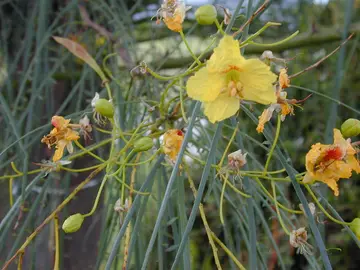
ArizonaPalo verdeAdopted 1954 ArkansasPineAdopted 1939 
CaliforniaCalifornia redwoodAdopted 1937 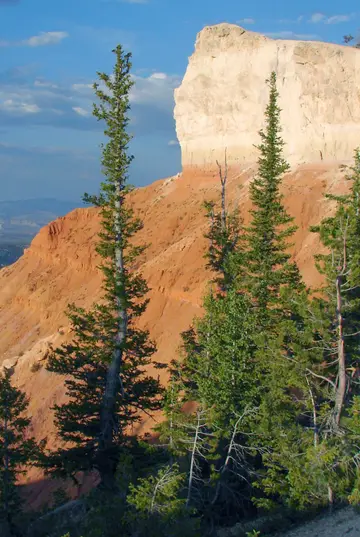
ColoradoColorado blue spruceAdopted 1939 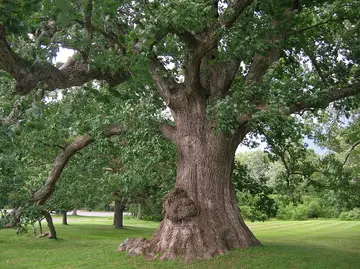
ConnecticutWhite oakAdopted 1947 
DelawareAmerican hollyAdopted 1939 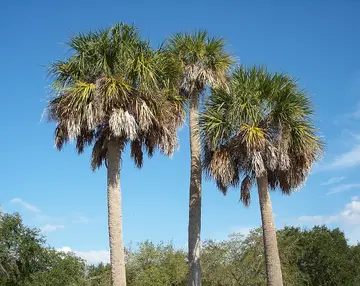
FloridaSabal palmAdopted 1953 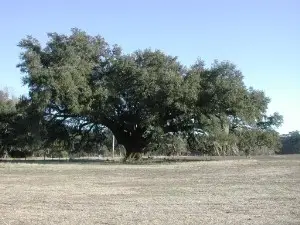
GeorgiaLive oakAdopted 1937 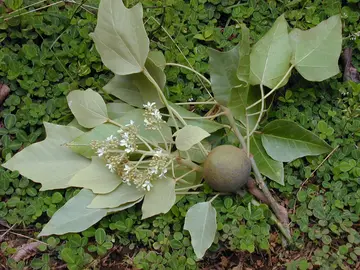
HawaiiKukuiAdopted 1959 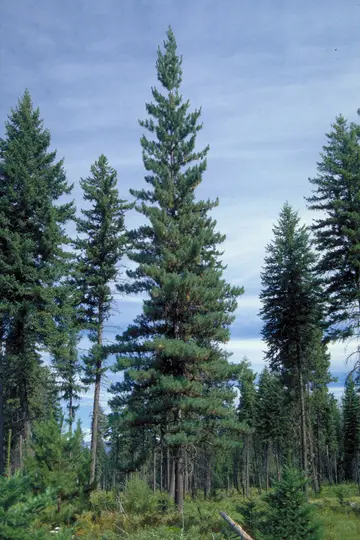
IdahoWestern white pineAdopted 1935 -
IllinoisWhite oakAdopted 1973 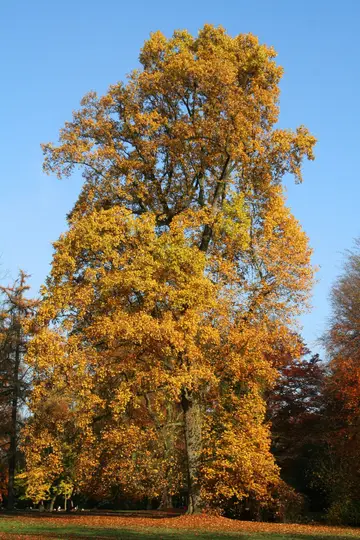
IndianaTulip treeAdopted 1931 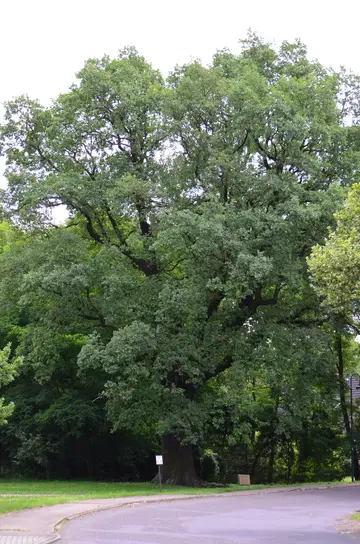
IowaOakAdopted 1961 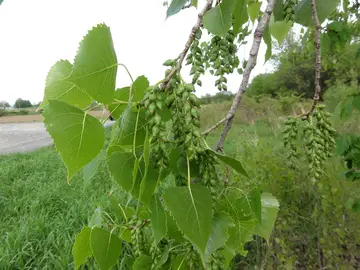
KansasCottonwoodAdopted 1937 -
KentuckyTulip poplarAdopted 1994 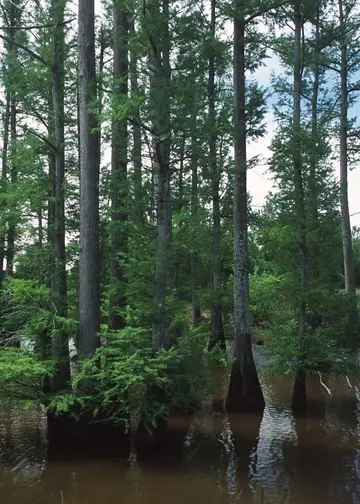
LouisianaBald cypressAdopted 1963 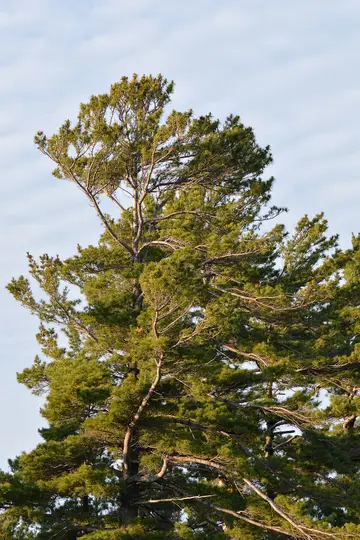
MaineEastern white pineAdopted 1945 -
MarylandWhite oakAdopted 1941 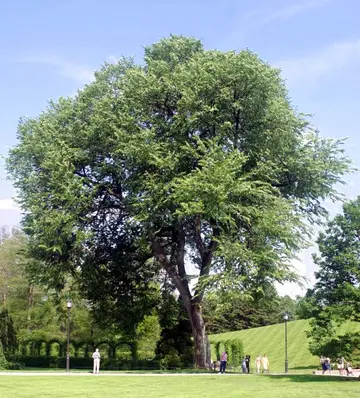
MassachusettsAmerican elmAdopted 1941 -
MichiganWhite pineAdopted 1955 
MinnesotaRed pineAdopted 1953 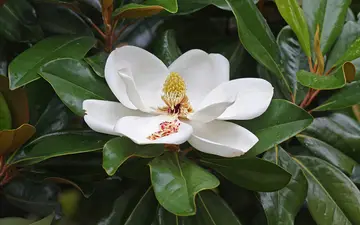
MississippiMagnoliaAdopted 1938 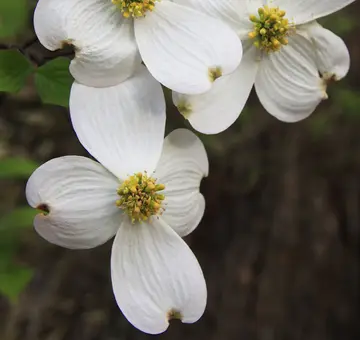
MissouriFlowering dogwoodAdopted 1955 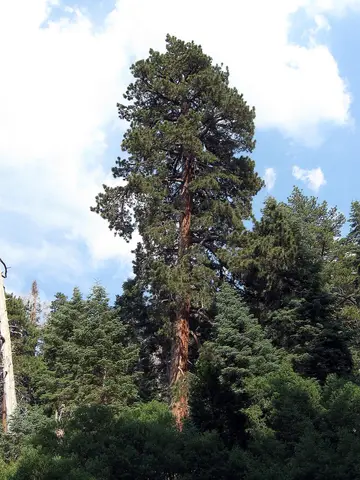
MontanaPonderosa pineAdopted 1949 -
NebraskaCottonwoodAdopted 1972 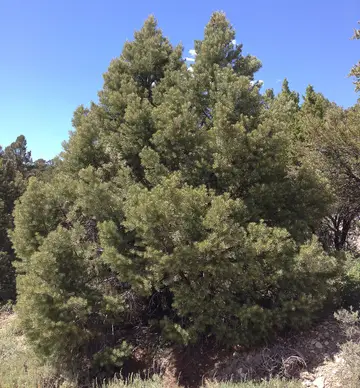
NevadaSingle-leaf pinonAdopted 1953 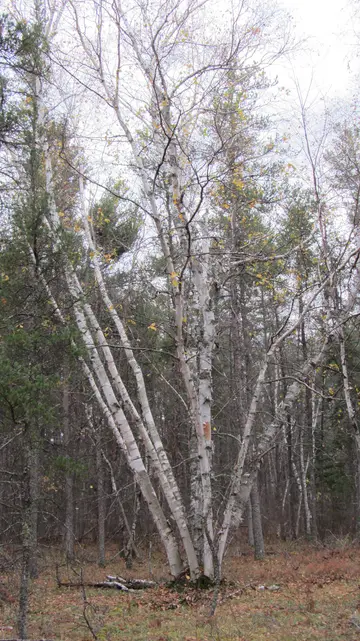
New HampshireWhite birchAdopted 1947 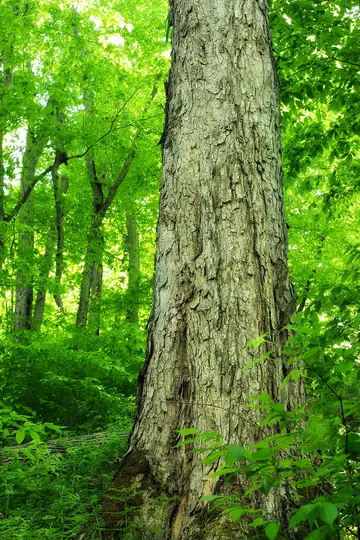
New JerseyNorthern red oakAdopted 1950 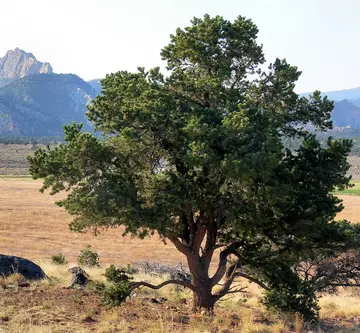
New MexicoPiñon pineAdopted 1949 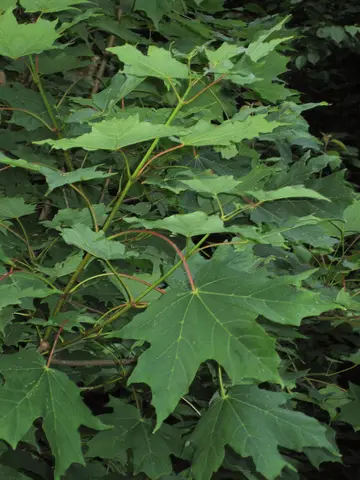
New YorkSugar mapleAdopted 1956 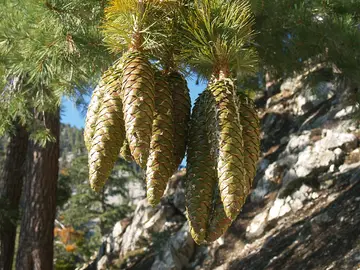
North CarolinaPineAdopted 1963 -
North DakotaAmerican elmAdopted 1947 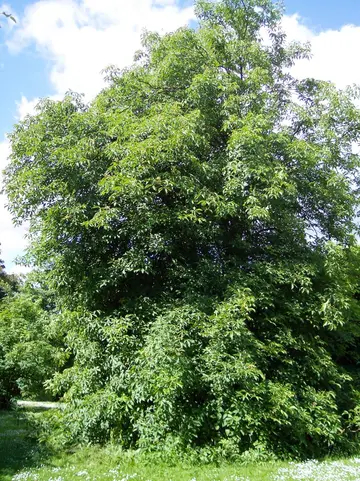
OhioOhio buckeyeAdopted 1953 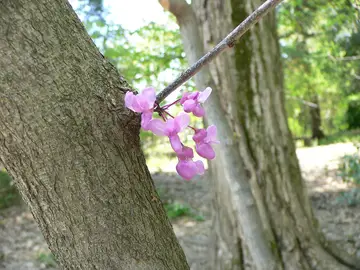
OklahomaRedbudAdopted 1937 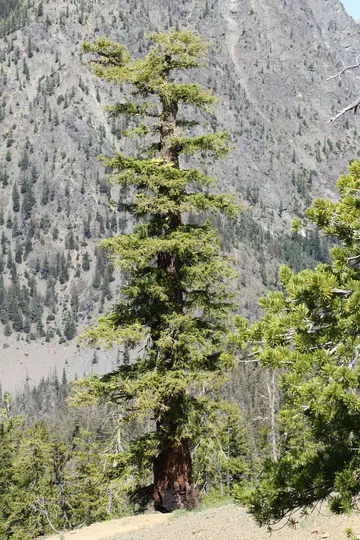
OregonDouglas-firAdopted 1939 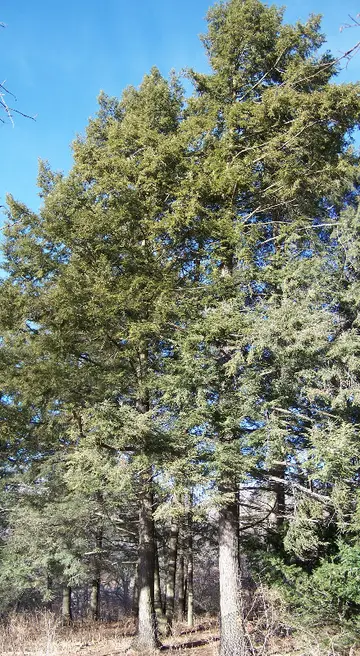
PennsylvaniaEastern hemlockAdopted 1931 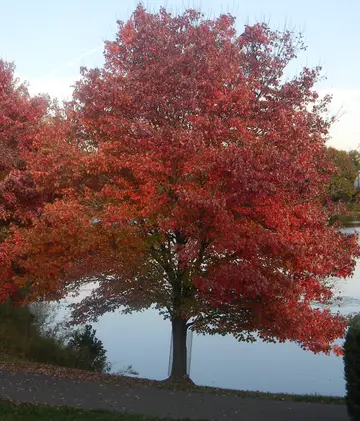
Rhode IslandRed mapleAdopted 1964 -
South CarolinaSabal palmettoAdopted 1939 South DakotaBlack Hills spruceAdopted 1947 -
TennesseeTulip poplarAdopted 1947 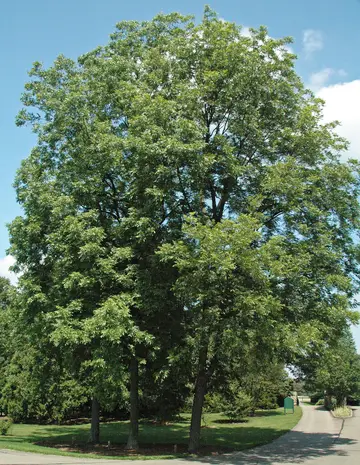
TexasPecanAdopted 1919 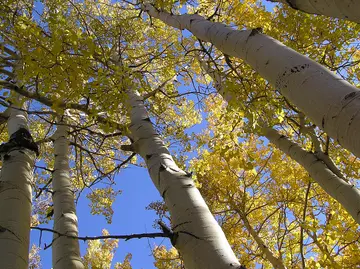
UtahQuaking aspenAdopted 2014 -
VermontSugar mapleAdopted 1949 -
VirginiaAmerican dogwoodAdopted 1956 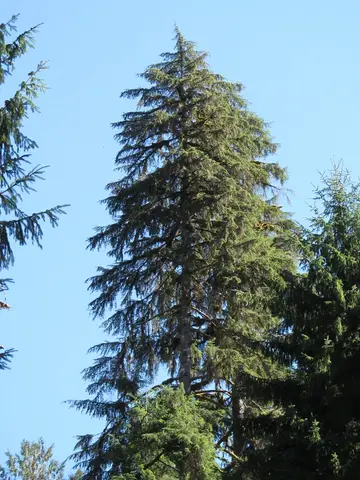
WashingtonWestern hemlockAdopted 1947 -
West VirginiaSugar mapleAdopted 1949 -
WisconsinSugar mapleAdopted 1949 WyomingPlains cottonwoodAdopted 1947
State trees shared by more than one state
Pines, oaks and maples
Pines dominate the list. Ten states have named a pine, but rarely the same one: Alabama chose the longleaf pine, Maine and Michigan the eastern white pine, Minnesota the red pine, Montana the ponderosa pine, Idaho the western white pine, and Nevada and New Mexico two different piñons, whose nuts have been gathered for food for centuries. Arkansas and North Carolina simply named “the pine.”
Oaks come second. Connecticut, Illinois and Maryland all chose the white oak, New Jersey the northern red oak, Georgia the live oak, and Iowa the oak in general, without naming a species. The sugar maple, the source of maple syrup and blazing fall color, is the single most popular species, shared by New York, Vermont, West Virginia and Wisconsin.
Trees with a story
Some state trees honor one famous tree. Connecticut’s white oak recalls the Charter Oak, where the colony’s royal charter was reportedly hidden in 1687 to keep it from the king’s governor; the old tree blew down in 1856. South Carolina’s palmetto recalls the fort on Sullivan’s Island in 1776, whose walls of palmetto logs soaked up British cannonballs. The palmetto is on the state flag to this day.
Others are tied to food and work. The pecan grows wild along the river valleys of most of Texas, and Texas law still makes it a misdemeanor to knock pecans out of someone else’s tree without written permission. Montana’s ponderosa pine was long cut for railroad ties, telegraph poles and mine timbers.
Chosen slowly
Trees were mostly a mid-century choice. Most states adopted theirs between 1930 and 1959, sometimes long after schoolchildren had voted for it. Colorado children picked the blue spruce in an Arbor Day vote in 1892, but the Legislature made it official only in 1939. Helena schoolchildren chose the ponderosa pine in 1908, and Montana adopted it in 1949. Rhode Island children voted for the red maple in the 1890s; it became the state tree in 1964.
Illinois held two votes. In 1907 and 1908 children chose “the oak” over the maple and the elm, and in 1973 a poll of about 900,000 children narrowed it down to the white oak. Utah’s change came from fourth graders at Monroe Elementary School in Sevier County, who pointed out that the quaking aspen grows in all 29 of the state’s counties. The Legislature replaced the Colorado blue spruce with the aspen in 2014, and the governor signed the bill at their school, using a desk, chair and pens made of aspen.
Find a tree
Click any tree above to see it among the state’s other symbols, with the law that made it official.
Every state tree, with the law behind it
Questions people ask
- What is the most common state tree?
- As a single species, the sugar maple, chosen by New York, Vermont, West Virginia and Wisconsin. As a group, pines are the most common, with ten states naming a pine of one kind or another.
- Which state was first to adopt a state tree?
- Texas, which named the pecan in 1919.
- Does any state have two state trees?
- Nevada does. It named the single-leaf piñon first and added the bristlecone pine in 1987. California's single designation, the California redwood, covers two species, the coast redwood and the giant sequoia.