Minnesota
The North Star State
Minnesota became the 32nd state on May 11, 1858. Its capital is Saint Paul, and its largest city is Minneapolis, just across the Mississippi; together they are the Twin Cities. Known as the North Star State and the Land of 10,000 Lakes, Minnesota adopted an entirely new flag and seal in 2024.

- Capital
- Saint PaulCapital since 1849
- Statehood
- May 11, 185832nd state
- Population, 2025
- 5,830,40522nd of 50
- Area
- 86,936 sq mi12th largest · 225,163 km²
- Largest city
- Minneapolis430,324 people
- Abbreviation
- MNUS Postal Service code
- Motto
- L'Étoile du Nord“The Star of the North”
- Borders
- 4 statesCanada
The 32nd state
Minnesota was the home of the Dakota and Ojibwe peoples long before French fur traders arrived in the 1600s. The eastern part of today’s state came to the United States after the Revolution, and the western part with the Louisiana Purchase. Congress organized the Minnesota Territory in 1849, settlers poured in, and on May 11, 1858, Minnesota became the 32nd state. Minnesotans still mark May 11 as Statehood Day; it was the day the new flag and seal took effect in 2024.
Land of sky-tinted water
Minnesota is named for the Minnesota River, whose Dakota name is built on mni, “water.” The Minnesota Historical Society translates the Dakota homeland name, Mni Sota Makoce, as “land of cloudy waters,” noting that “cloudy” can mean mist, churned-up water, or clear water reflecting the sky. That Dakota phrase now encircles the state seal.
Water defines the state. Its slogan, “Land of 10,000 Lakes,” is an understatement: Minnesota has 11,842 lakes larger than ten acres, scraped out by glaciers. The Mississippi River begins at Lake Itasca in northern Minnesota, and Lake Superior forms part of its northeastern edge.
North Star, Gopher, Twin Cities
The state motto, adopted in 1861, is French: L’Étoile du Nord, “The Star of the North,” and it gave Minnesota its nickname, the North Star State. Its other famous nickname, the Gopher State, goes back to an 1857 cartoon mocking railroad promoters as human-headed gophers pulling a train. None of the nicknames is set in law.
A capital saved by a missing bill
Saint Paul has been the capital since 1849. In 1857 the territorial legislature voted to move the capital to St. Peter, but a legislator named Joseph Rolette, who chaired the committee responsible for the bill, disappeared with it until the session ended, and a judge later ruled the move invalid. Saint Paul’s Capitol, designed by Cass Gilbert and opened in 1905, has a dome of white Georgia marble modeled on St. Peter’s Basilica in Rome. The capital page tells the story.
A new flag and seal
In 2024 Minnesota replaced both its flag and its seal. The old seal showed a settler plowing while a Native American rode away, and the old flag put that seal on blue; critics called it cluttered and objected to its imagery. A state commission chose new designs from thousands of public entries, and since May 11, 2024, the flag has shown a white eight-pointed North Star on a dark blue shape based on the state’s outline, beside a field of light blue for its waters. The new seal shows a common loon, wild rice and a pine.
Loons, walleye and morels
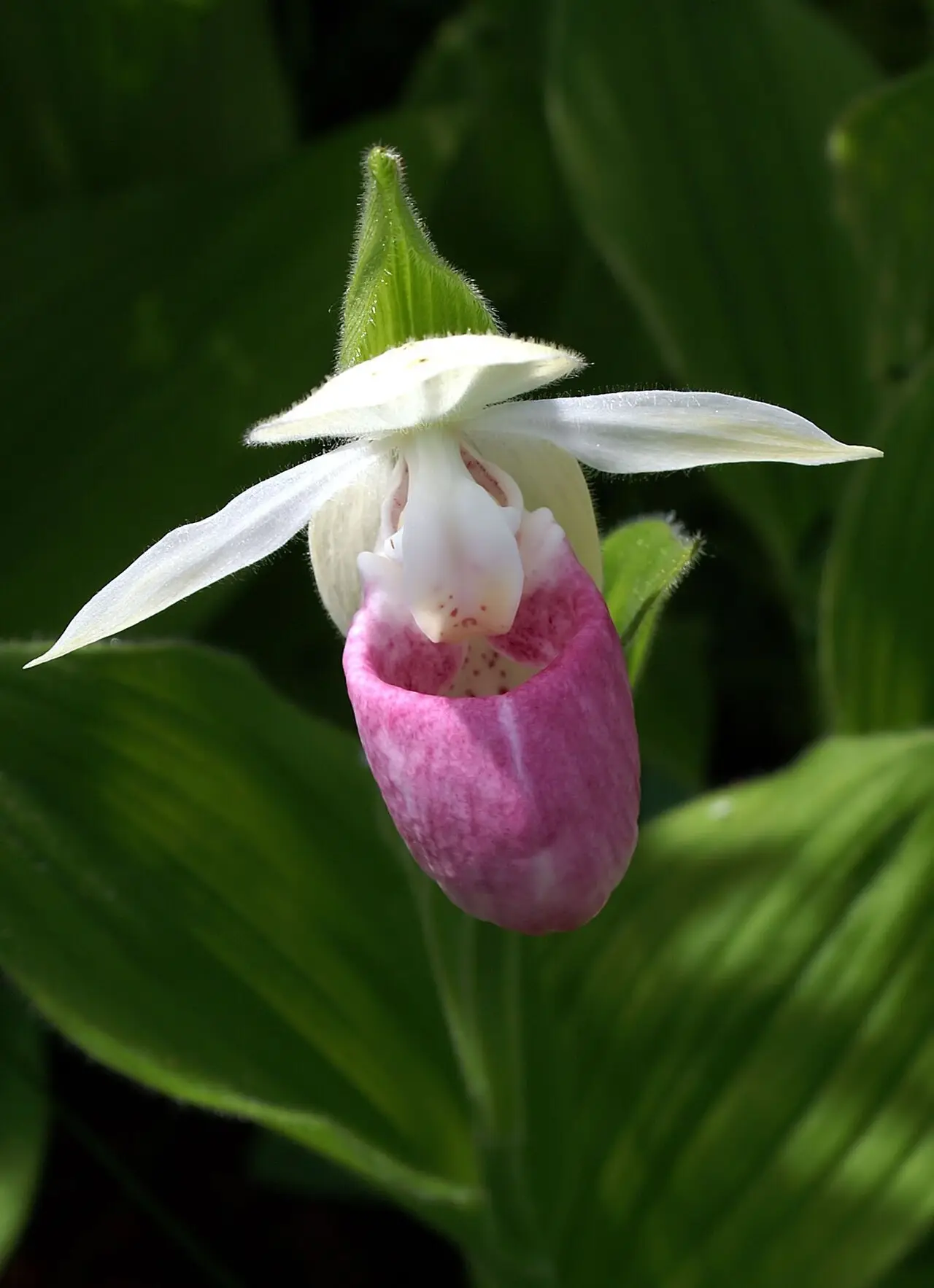
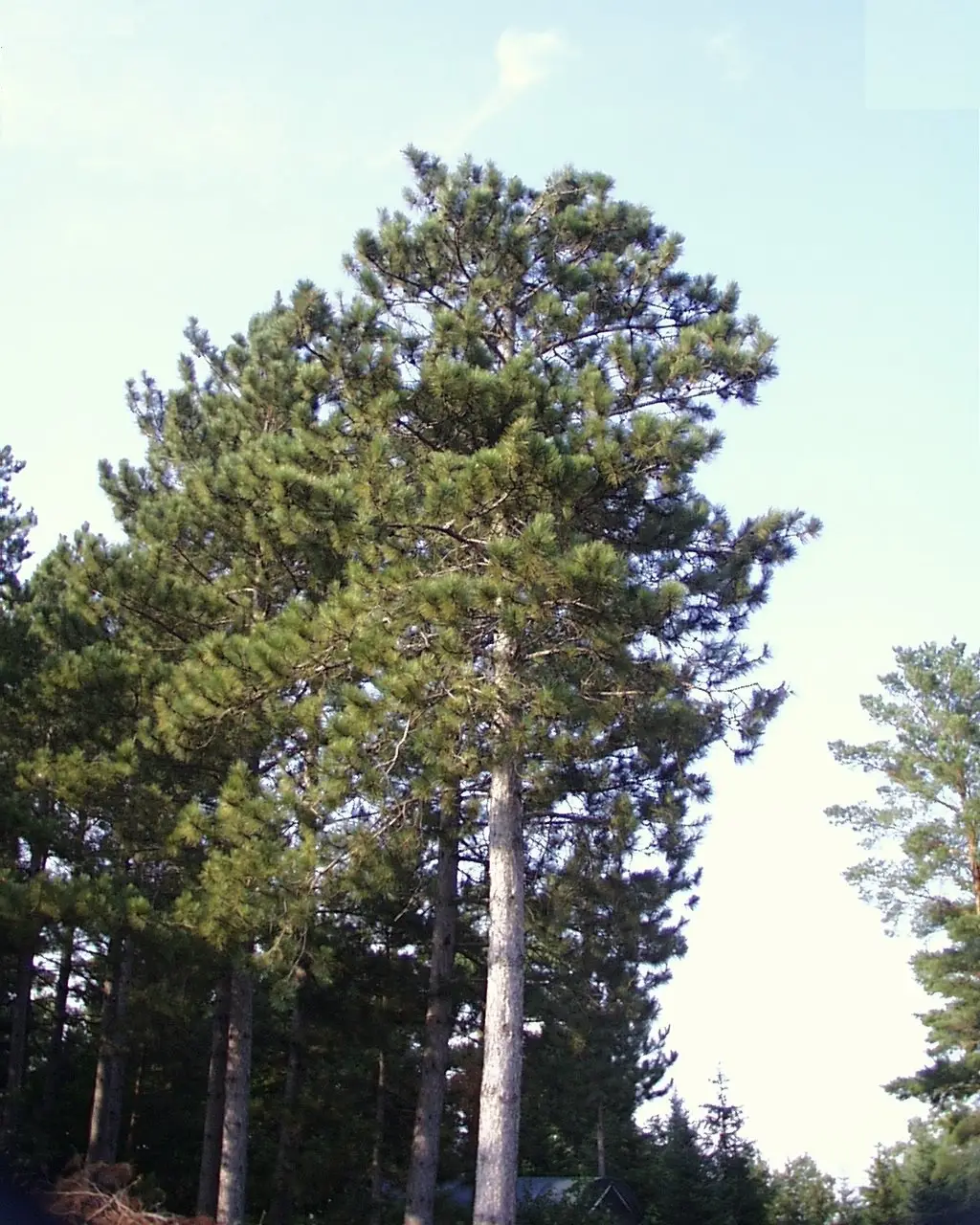
Minnesota has 22 official symbols. The common loon, whose haunting call echoes across northern lakes, is the state bird; Minnesota has more breeding loons than any other state outside Alaska. The showy lady’s slipper, a large pink and white orchid, is the state flower, and the red pine the state tree. The walleye is the state fish, wild rice the state grain and the morel the state mushroom; Minnesota was the first state to name one. The Honeycrisp apple, developed at the University of Minnesota, is the state fruit, ice hockey the state sport and the rusty patched bumble bee, an endangered species, the state bee. See every symbol on the Minnesota symbols page.
Land and people
Minnesota covers 86,936 square miles, 12th among the states, and had about 5.83 million residents in 2025, 22nd in the country. It borders North Dakota, South Dakota, Iowa and Wisconsin, and shares a long border with the Canadian provinces of Manitoba and Ontario; its Northwest Angle is the northernmost point of the 48 contiguous states. Minneapolis, with about 430,000 people, is the largest city, followed by Saint Paul, Rochester, Bloomington and Duluth.
Minnesota state symbols
All 22 official symbols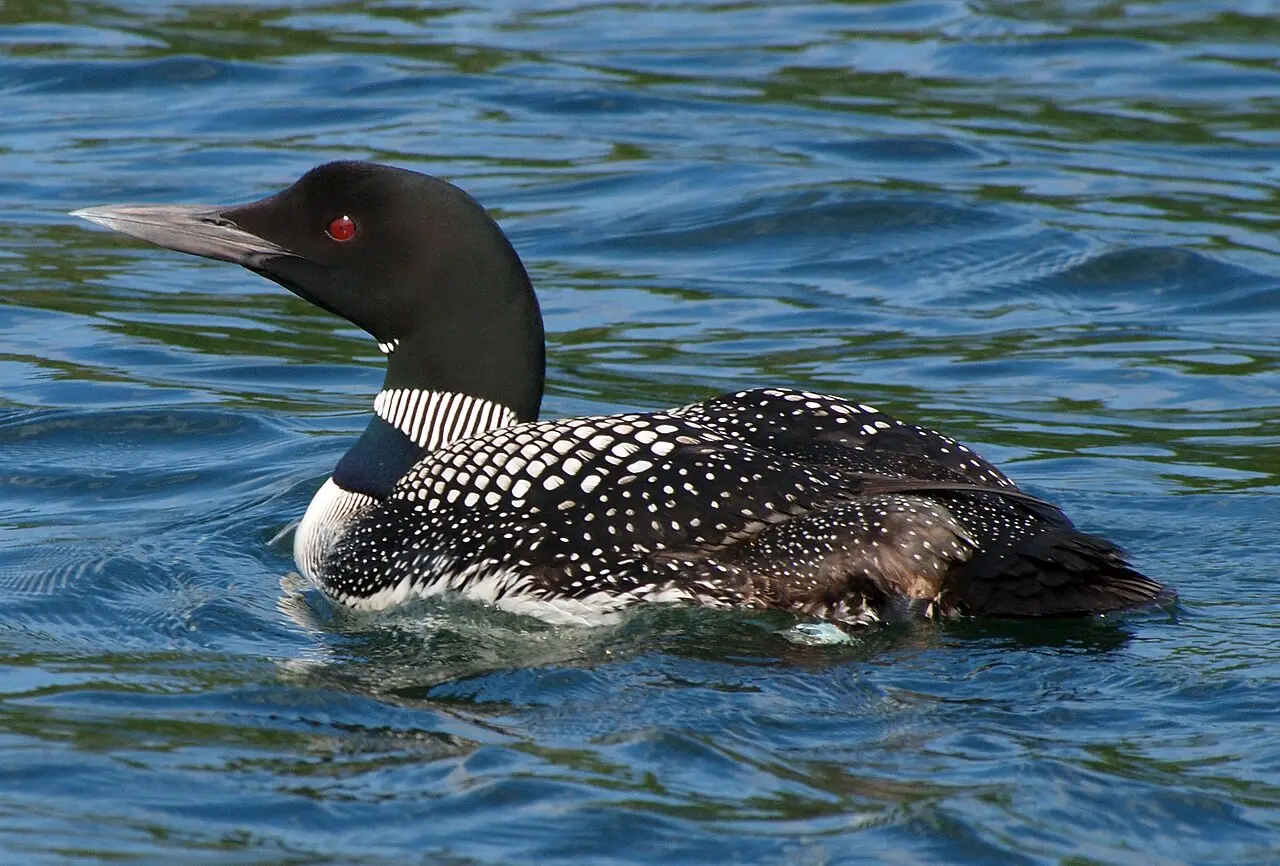
The capital: Saint Paul
The capital of Minnesota is Saint Paul, the seat of government since the Minnesota Territory was organized in 1849. In 1857 the legislature voted to move the capital to St. Peter, but the bill vanished with a legislator who hid until the session ended. Saint Paul's Capitol, designed by Cass Gilbert and opened in 1905, is the state's third.
- 1849–todaySaint Paul
Where Minnesota is
Minnesota shares a border with 4 states: Iowa, North Dakota, South Dakota and Wisconsin. It also borders Canada.
- Land area
- 79,627 sq mi
- Water area
- 7,309 sq mi
- Population density
- 73.2 people per sq mi (30th)
Minnesota trivia
- Minnesota was the first state to name an official state mushroom, the morel, in 1984.Source: Minnesota Legislative Reference Library
- The "Land of 10,000 Lakes" actually has 11,842 lakes larger than 10 acres.Source: Minnesota Legislative Reference Library
- In 1857 legislator Joseph Rolette disappeared with a bill to move the capital to St. Peter, leaving colleagues stuck in a 123-hour session waiting for him.Source: Minnesota Historical Society
- The outer ring of the 2024 state seal has 98 gold bars: one for each of the 87 counties and 11 federally recognized tribal nations.Source: Minnesota State Emblems Redesign Commission (staffed by the Minnesota Historical Society)
- The redesign commission received 2,128 flag designs and 399 seal designs from the public in 2023.Source: Minnesota State Emblems Redesign Commission (staffed by the Minnesota Historical Society)
- "Hail! Minnesota" started as a University of Minnesota song; making it the state song meant changing "our college dear" to "our state so dear."Source: Minnesota Legislative Reference Library
Questions about Minnesota
- What is the capital of Minnesota?
- Saint Paul. It has been the seat of government since the Minnesota Territory was organized in 1849.
- How many lakes does Minnesota have?
- Despite the "Land of 10,000 Lakes" slogan, Minnesota has 11,842 lakes larger than 10 acres, according to the Legislative Reference Library.
- Why is Minnesota called the Gopher State?
- The nickname is traced to an 1857 cartoon that mocked railroad promoters as gophers pulling a train. The animal meant was the striped gopher, actually the thirteen-lined ground squirrel. The University of Minnesota's teams are the Golden Gophers.
- What does Minnesota mean?
- It comes from the Dakota name of the Minnesota River, built on mni, "water." The Minnesota Historical Society translates the Dakota homeland name Mni Sota Makoce as "land of cloudy waters," where "cloudy" can also mean water reflecting the sky.
Photo credits (4)
- Flag of Minnesota: Original: Minnesota State Emblems Redesign Commission Vector: Jamie Eilat, Undertiago, Public domain, via Wikimedia Commons
- Common loon: John Picken from Chicago, USA, CC BY 2.0, via Wikimedia Commons
- Pink and white lady slipper: Orchi, CC BY-SA 3.0, via Wikimedia Commons
- Red pine: Unknown author, Public domain, via Wikimedia Commons
Sources
- About Minnesota State of Minnesota (mn.gov) · statehood
- Minnesota's First State Capitol (MNopedia) Minnesota Historical Society · capital
- Rolette, Joseph (1820-1871) (MNopedia) Minnesota Historical Society · capital
- The Land, Water, and Language of the Dakota, Minnesota's First People Minnesota Historical Society
- Minnesota State Symbols Minnesota Legislative Reference Library
- Unofficial State Symbols Minnesota Legislative Reference Library
- US Census Bureau Vintage 2025 population estimates; 2010 state area measurements