Kansas
The Sunflower State
Kansas became the 34th state on January 29, 1861, admitted as a free state after years of violent conflict over slavery. Its capital is Topeka and its largest city Wichita. Known as the Sunflower State, Kansas has a Latin motto, "Ad astra per aspera," to the stars through difficulties.
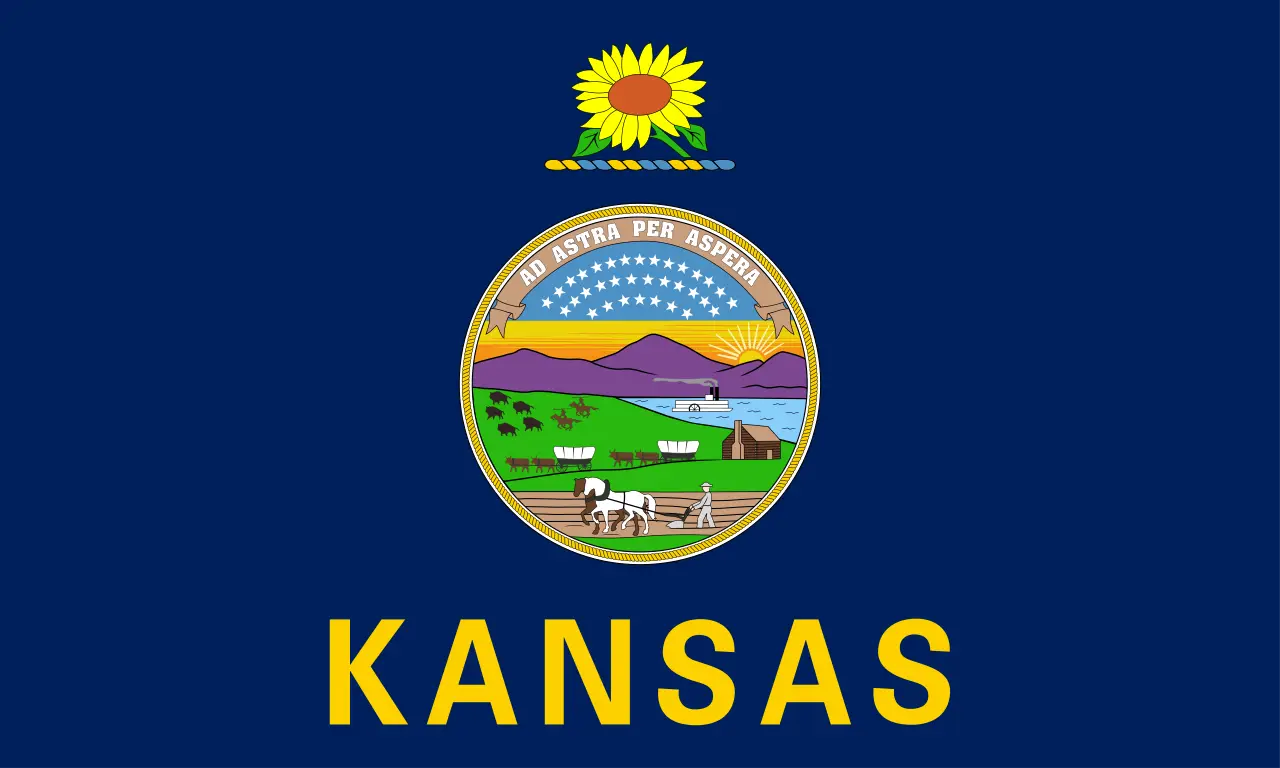
- Capital
- TopekaCapital since 1861
- Statehood
- January 29, 186134th state
- Population, 2025
- 2,977,22034th of 50
- Area
- 82,278 sq mi15th largest · 213,100 km²
- Largest city
- Wichita400,987 people
- Abbreviation
- KSUS Postal Service code
- Motto
- Ad astra per aspera“To the stars through difficulties”
- Borders
- 4 statesLandlocked
Bleeding Kansas
Kansas was born in conflict. In 1854 the Kansas-Nebraska Act opened the territory to settlement and let its settlers decide by vote whether to allow slavery. Proslavery settlers, many from neighboring Missouri, and antislavery settlers from the North poured in to win the vote, and the territory descended into years of raids, fraud and killings known as “Bleeding Kansas.” Rival governments wrote rival constitutions, and the territory even had rival capitals: proslavery Lecompton and free-state Lawrence and Topeka.
The free-state side won. Kansans ratified an antislavery constitution in 1859, and on January 29, 1861, President James Buchanan signed the bill admitting Kansas as a free state, the 34th. Kansans celebrate January 29 as Kansas Day. The seal adopted that spring carries 34 stars, and the motto chosen with it, “Ad astra per aspera,” “To the stars through difficulties,” fit the state’s hard road to statehood.
The name
Kansas is named for the Kaw, or Kansa, people, the dominant tribe in the region by the mid-1700s. French traders and other Europeans wrote the name in many forms, among them Kanza and Kansa. The Kansas Historical Society traces it to a Siouan word for the south wind, and the Kaw are often called the People of the Southwind.
Capitals of a divided territory
The territory’s first legislature met for just five days in July 1855 at Pawnee, near Fort Riley, in a building whose floors were not yet finished. It then moved over the governor’s veto to Shawnee Mission and later to Lecompton, the proslavery capital. Topeka, the free-state stronghold, became the state capital in 1861, and voters confirmed it that November, choosing Topeka over Lawrence. The Capitol took 37 years to build and stands about 17 feet taller than the US Capitol. The capital page tells the story.
The Sunflower State
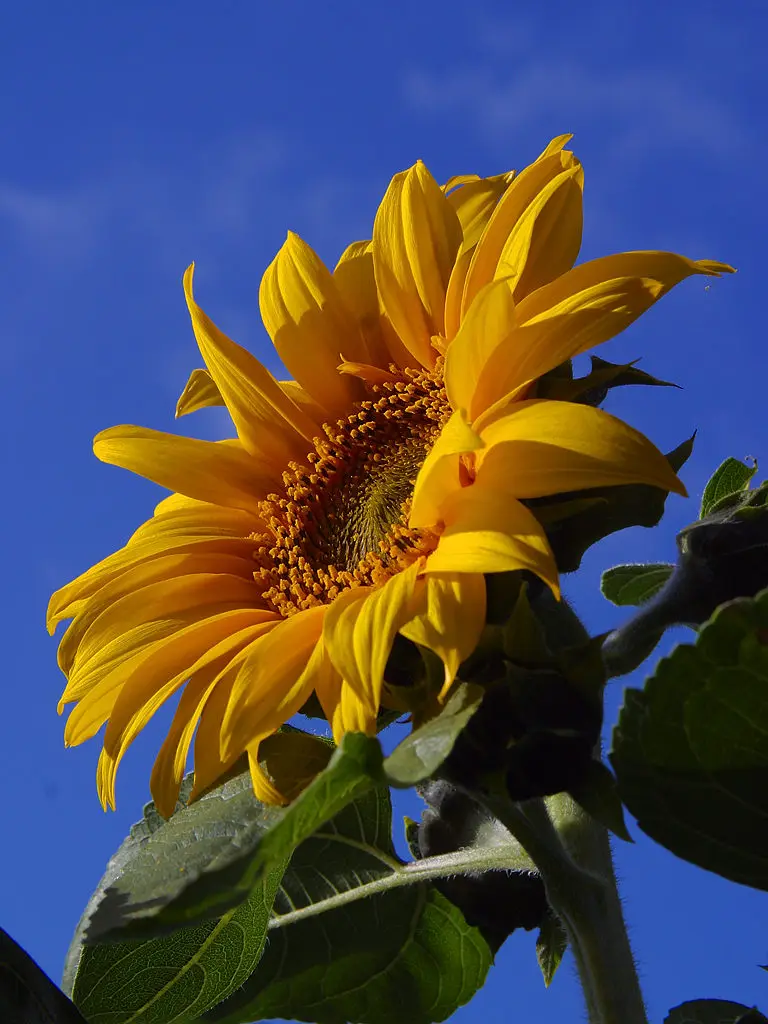
Kansas has long been called the Sunflower State, after the wild sunflower that blooms along its roadsides. The 1903 law that made the sunflower the state flower is unusual: it opens with a preamble praising the flower as easy to draw, carve or embroider and calling it a symbol of frontier days. No law formally adopts the nickname. Kansas is also called the Wheat State, for its huge wheat harvests, which grew after Mennonite immigrants brought hardy Turkey Red winter wheat in the 1870s.
Fossils, schoolchildren and a cage elevator
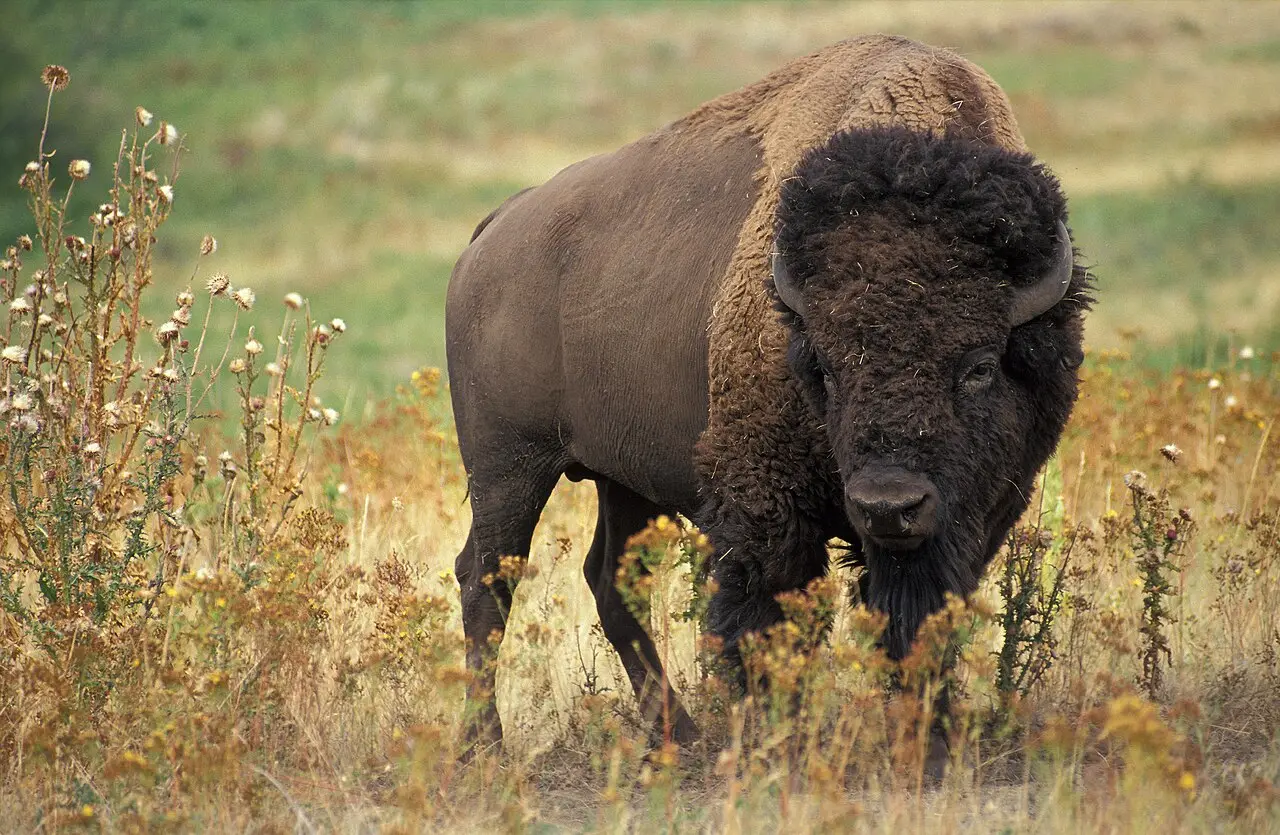
Kansas has 35 official symbols, and many were proposed by students. More than 121,000 schoolchildren voted for the western meadowlark, the state bird since 1937. Students also pushed for the honeybee, the ornate box turtle, the barred tiger salamander and the sandhill plum. The American buffalo is the state animal.
Kansas has three state fossils. In the age of dinosaurs much of Kansas lay under an inland sea, so its fossils include Tylosaurus, a giant sea reptile more than 40 feet long, and Pteranodon, a flying reptile with a wingspan over 24 feet. In 2023 the legislature added Silvisaurus, an armored dinosaur and the only one known to have lived on land in what is now Kansas. Kansas even has an official cage elevator, the one installed in the Capitol in 1923, which the law says must be kept running. See every symbol on the Kansas symbols page.
The flag shows the state seal and a sunflower on blue. For two years before it was adopted, Kansas was represented by a hanging sunflower banner instead.
Land and people
Kansas covers 82,278 square miles, 15th among the states, rising gently from the Missouri River in the east to the High Plains near Colorado. It had about 2.98 million residents in 2025, 34th in the country. It borders Nebraska, Missouri, Oklahoma and Colorado, and the geographic center of the 48 contiguous states lies within it, near Lebanon. Wichita, with about 401,000 people, is the largest city, followed by Overland Park, Kansas City, Olathe and Topeka.
Kansas state symbols
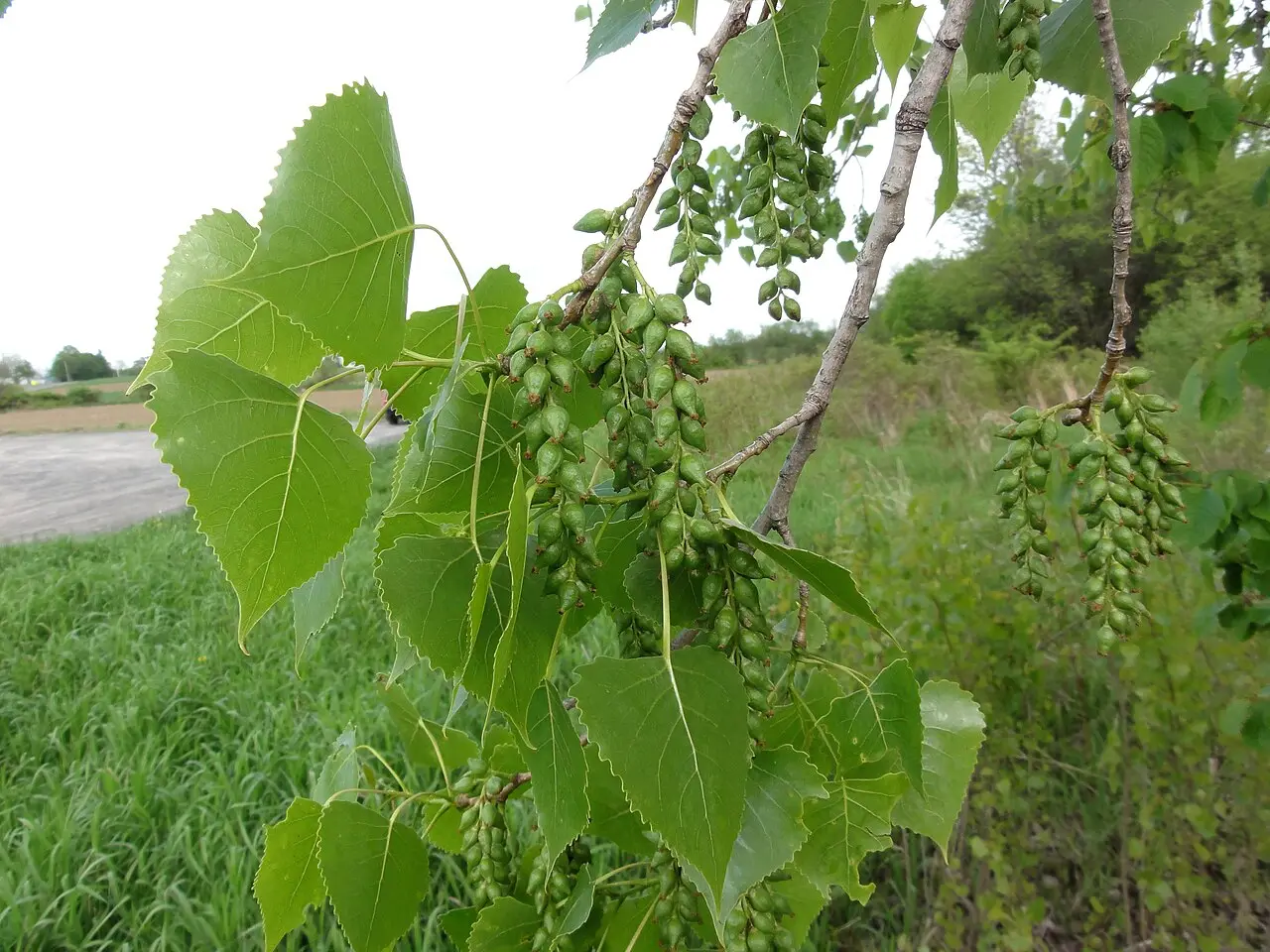
All 35 official symbols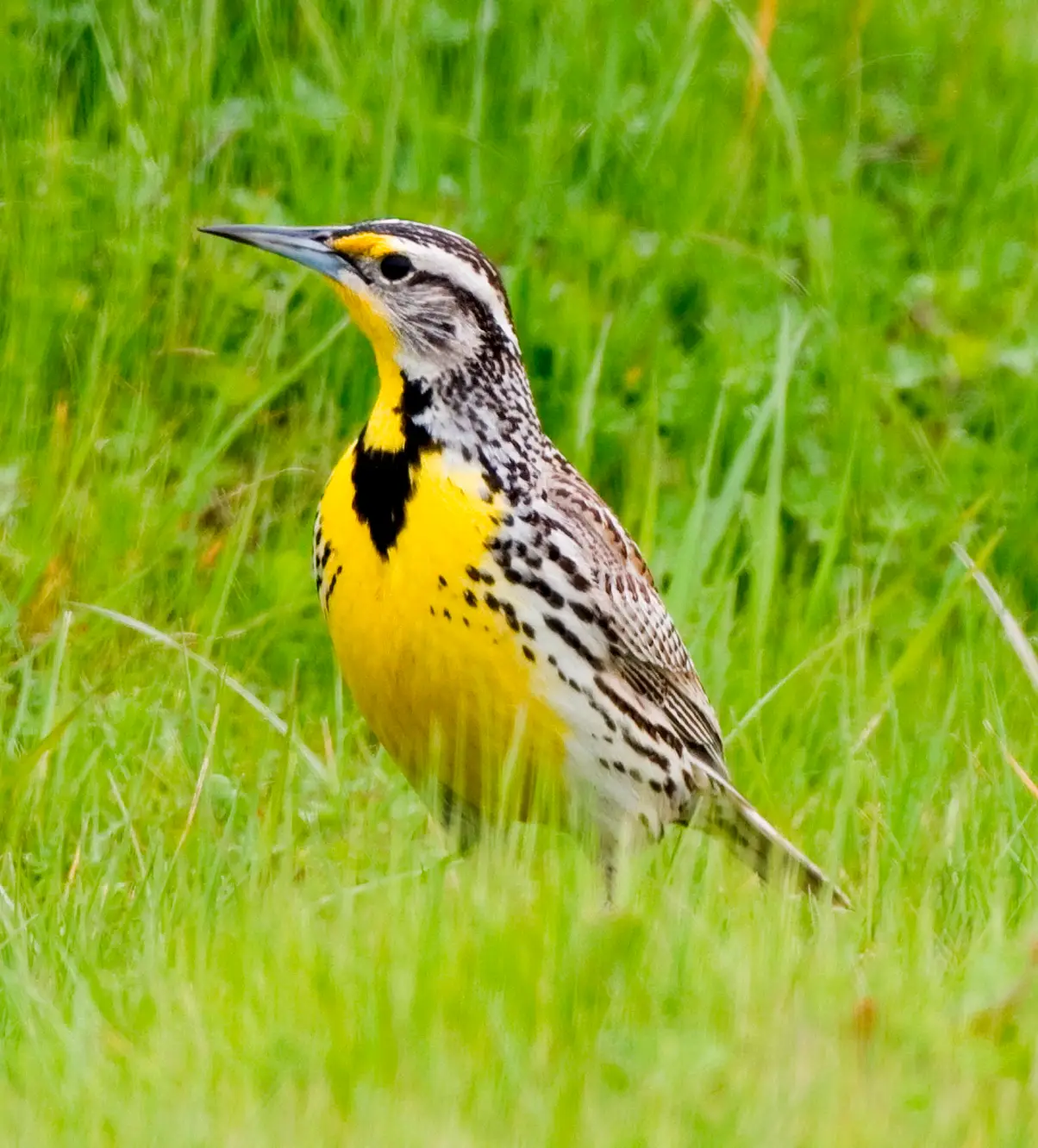
The capital: Topeka
The capital of Kansas is Topeka, the seat of government since statehood in 1861. During the territorial years, when Kansas was torn apart over slavery, the capital moved between Pawnee, Shawnee Mission and the proslavery town of Lecompton. Topeka, a free-state stronghold, won the permanent capital in a vote in November 1861, and its Capitol took 37 years to finish.
- 1861–todayTopeka
Where Kansas is
Kansas shares a border with 4 states: Colorado, Missouri, Nebraska and Oklahoma.
- Land area
- 81,759 sq mi
- Water area
- 520 sq mi
- Population density
- 36.4 people per sq mi (41st)
Kansas trivia
- The Kansas Capitol stands about 17 feet taller than the U.S. Capitol in Washington.Source: Kansas Historical Society
- The building at Pawnee served as the territorial capitol for only five days in July 1855, and legislators met before its floors were even finished.Source: Kansas Historical Society
- Ad Astra, the warrior atop the Capitol dome, was built to sway no more than an inch in an 80 mph wind.Source: Kansas Historical Society
- A statue of Ceres was first planned for the top of the Capitol dome, but public outcry over its cost and pagan subject shelved it for good.Source: Kansas Historical Society
- A nearly 90-foot cottonwood on the Capitol grounds shaded speeches by presidents Harrison, McKinley and Taft before wind and disease brought it down.Source: Kansas Historical Society
Questions about Kansas
- What is the capital of Kansas?
- Topeka. The state constitution made it the temporary seat of government in 1861, and voters made it the permanent capital that November.
- Why is Kansas called the Sunflower State?
- For the wild sunflower, the state flower since 1903. The preamble of the 1903 law already called the sunflower the flower that gave Kansas its name worldwide, but no law formally adopts the nickname.
- What does the Kansas motto mean?
- "Ad astra per aspera" is Latin for "To the stars through difficulties." It was adopted with the state seal on May 25, 1861.
- What does Kansas mean?
- Kansas is named for the Kaw, or Kansa, people. The Kansas Historical Society traces the name to a Siouan word for the south wind, and the Kaw are often called the People of the Southwind.
Photo credits (5)
- Flag of Kansas: Xrmap, Public domain, via Wikimedia Commons
- Western meadowlark: Kevin Cole from Pacific Coast, USA (en:User:Kevinlcole), CC BY 2.0, via Wikimedia Commons
- Wild native sunflower: Jon Sullivan, Public domain, via Wikimedia Commons
- Cottonwood: R. A. Nonenmacher, CC BY-SA 4.0, via Wikimedia Commons
- American buffalo: Jack Dykinga, Public domain, via Wikimedia Commons
Sources
- Kansas Day - An Alternate Anniversary (Kansapedia) Kansas Historical Society · statehood
- Kansas Constitution, Article 15, Section 8: Location of state capital Kansas Office of Revisor of Statutes · capital
- William G. Cutler, History of the State of Kansas (1883), Annals of Kansas, part 1 Kansas Collection Books (kancoll.org) · capital
- Kaws (or Kanzas, Kansas) Kansas Historical Society
- Kansas State Symbols Kansas Historical Society
- K.S.A. 75-201 (seal and motto) Kansas Office of Revisor of Statutes
- US Census Bureau Vintage 2025 population estimates; 2010 state area measurements