Goldenrod, the state flower of Kentucky
The state flower of Kentucky is goldenrod, adopted in 1926. The law names no species, so all of Kentucky's goldenrods, more than 30 native kinds, share the title. Their plumes of small yellow flowers light up roadsides and old fields in late summer and fall, and despite their reputation, they do not cause hay fever.
How to recognize it
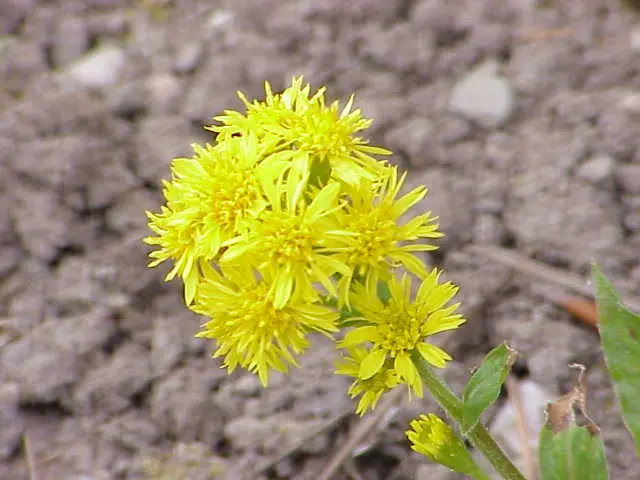
Goldenrods are perennial wildflowers with many small yellow flower heads gathered into plumes, wands or pyramid-shaped clusters at the tops of their stems. The size varies a great deal from species to species. Showy goldenrod, a common Kentucky example, grows two to six feet tall on stout, reddish stems, with long leaves and dense, upright clusters of bright yellow flowers.
Most goldenrods bloom from late summer into fall, when they paint fields and roadsides gold. Showy goldenrod blooms in August and September.
Not guilty of hay fever
Goldenrod has a bad reputation it does not deserve. Its pollen is heavy and sticky and is carried from flower to flower by insects, not blown on the wind, so little of it reaches people’s noses. The real culprit for late-summer hay fever is usually ragweed, an inconspicuous green plant that blooms at the same time and releases huge amounts of wind-borne pollen.
Kentucky’s many goldenrods
About 125 goldenrod species grow in North America, and more than 30 are native to Kentucky, in fields, prairies, thickets and woodland openings. Because the law names only “the goldenrod,” the Kentucky Native Plant Society notes, the state effectively has dozens of official flowers. The Salato Native Plant Program named showy goldenrod its Wildflower of the Year for 2005.
Where to see it
In late summer and fall, look along roadsides, in old fields and meadows and at the edges of woods almost anywhere in Kentucky. Goldenrod is also one of the most important late-season sources of nectar for bees and butterflies, so the flowers are usually busy with insects.
The state flower since 1926
Kentucky adopted goldenrod as its state flower in 1926, and the law is now KRS 2.090. Goldenrod also appears on the state flag, where it forms the lower half of the wreath around the state seal.
Questions about the Kentucky state flower
- What is the state flower of Kentucky?
- Goldenrod, adopted in 1926. The law does not name a species, so the designation covers all goldenrods (genus Solidago).
- Does goldenrod cause hay fever?
- No. Goldenrod pollen is heavy and sticky and is carried by insects, not the wind. The hay fever usually blamed on it comes from ragweed, which blooms at the same time.
- When does goldenrod bloom in Kentucky?
- From late summer into fall. Showy goldenrod, a common Kentucky species, blooms in August and September.
- Which other state has goldenrod as its state flower?
- Nebraska. Alabama also chose goldenrod in 1927 but replaced it with the camellia in 1959.
Sources
- KRS 2.090 (state flower) Kentucky Legislative Research Commission
- "2005 Wildflower of the Year: Showy Goldenrod" Kentucky Native Plant Society